
Largest Attack in Lebanon’s History Strikes on First Day of Ceasefire
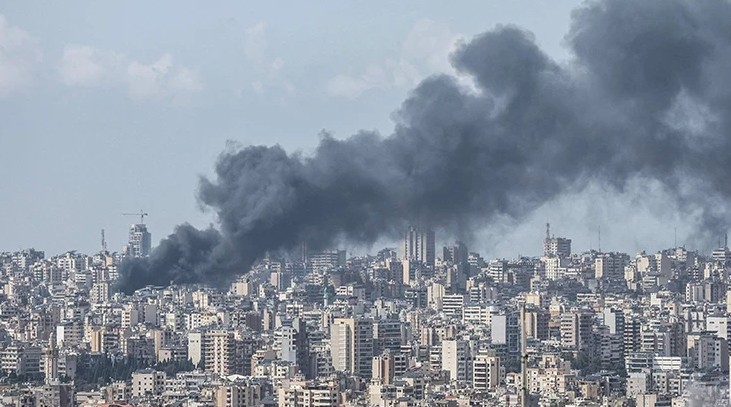
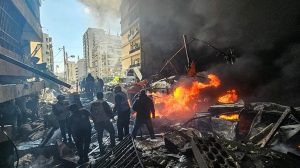
BEIRUT – Just hours after a ceasefire agreement was announced to end the conflict between the United States, Israel, and Iran, Lebanon was hit by an unprecedented military operation. Israel launched what is being described as the largest assault in Lebanon’s history, carrying out 100 simultaneous strikes across the country within a span of only 10 minutes.
A Narrowly Defined Ceasefire
Despite the diplomatic breakthrough involving Tehran, U.S. Vice President JD Vance clarified that the strikes against Lebanon do not constitute a violation of the current agreement. Vance stated that the ceasefire reached with Iran does not encompass military operations directed at Lebanon, signaling a complex and volatile security environment in the Levant.
Escalating Rhetoric and Casualties
The intensity of the strikes has led to a humanitarian crisis. The Lebanese government has declared a one-day national mourning period following the deaths of 354 people in today’s bombardments.
Adding to the tension, Israeli Defense Minister Yisrael Katz issued a direct threat against Hezbollah Secretary-General Naim Qassem. Katz suggested that the ceasefire does not provide immunity for leadership targets, heightening fears of a renewed, high-intensity targeted assassination campaign.
International Reaction
The scale of the “100 strikes in 10 minutes” operation has drawn sharp condemnation from the international community. The United Nations, France, Syria, and Oman have all issued statements denouncing the escalation. Meanwhile, the Arab League expressed “full solidarity” with Lebanon, condemning the Israeli military actions as a threat to regional stability.
Defense & Tech Analysis
From a tactical perspective, the execution of 100 simultaneous strikes in such a condensed timeframe suggests a high level of pre-coordinated targeting and the deployment of significant aerial and missile assets. For defense analysts, this operation underscores Israel’s intent to degrade Hezbollah’s infrastructure rapidly, even as broader regional diplomatic channels remain open with Iran.