
THE NEW HIGH GROUND: THE STRATEGIC FRONTIER OF SPACE TECHNOLOGY


 React
React
GLOBAL AEROSPACE DESK — Human history has been defined by the struggle for the “high ground.” Today, that ground is no longer a hilltop or a mountain; it is Earth’s Orbit. Space technology has transitioned from a domain of pure exploration to the backbone of global military, economic, and communication infrastructures. As space becomes more crowded and contested, the ability to protect and utilize orbital assets has become the ultimate measure of a nation’s strategic sovereignty.

What is Space Technology?
Space technology is technology developed by space science or the aerospace industry for use in spaceflight, satellites, or space exploration. In a defense context, it refers to the systems that provide Positioning, Navigation, and Timing (PNT), secure communications, and early warning capabilities against global threats.
The Pillars of Modern Space Strategy: Key Technologies
1. Small Satellite Constellations (The Power of Numbers)
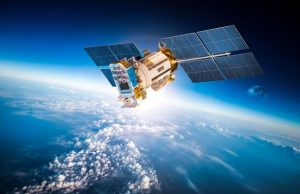
The era of massive, expensive “bus-sized” satellites is being replaced by thousands of small, low-cost satellites in Low Earth Orbit (LEO).
-
Resilience: Even if an adversary destroys a few units, the network remains operational.
-
Examples: Starlink for secure data, and ISR constellations for persistent Earth observation.
2. Satellite Servicing and Maneuverability
Future satellites will no longer be “disposable.”
-
In-Orbit Refueling: Extending the life of strategic assets by sending robotic tankers.
-
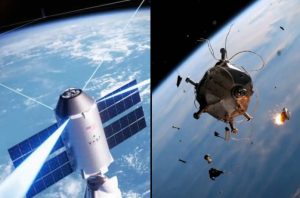
Space Tugboats: De-orbiting space debris or moving critical satellites away from potential “killer satellites.”
3. Space-Based Reconnaissance & Early Warning
The “unblinking eye” in the sky. Modern infrared sensors can detect a missile launch anywhere on Earth within seconds, providing the critical time needed for interception.
4. Hypersonic Tracking from Space
Traditional ground radars are struggling with the extreme speed and low altitude of hypersonic missiles. Next-gen space sensors are being deployed to track these threats from above throughout their entire flight path.
The Concept of “Space Domain Awareness” (SDA)
The most critical technology for 2026 is knowing exactly what is happening 400 miles above our heads.
-
Traffic Management: Preventing collisions between thousands of active satellites and millions of pieces of space junk.
-
Threat Identification: Distinguishing between a peaceful weather satellite and a “dual-use” satellite designed to interfere with others.
Why Does It Matter for the Global Citizen?
Without space technology, our modern world would stop instantly:
-
No GPS for navigation or timing (banking systems rely on this timing).
-
No real-time global news or internet in remote areas.
-
No precise weather forecasting or climate monitoring.
React