Bulava Launch: Russia’s Generalissimus Suvorov Fires ICBM from Sea of Okhotsk
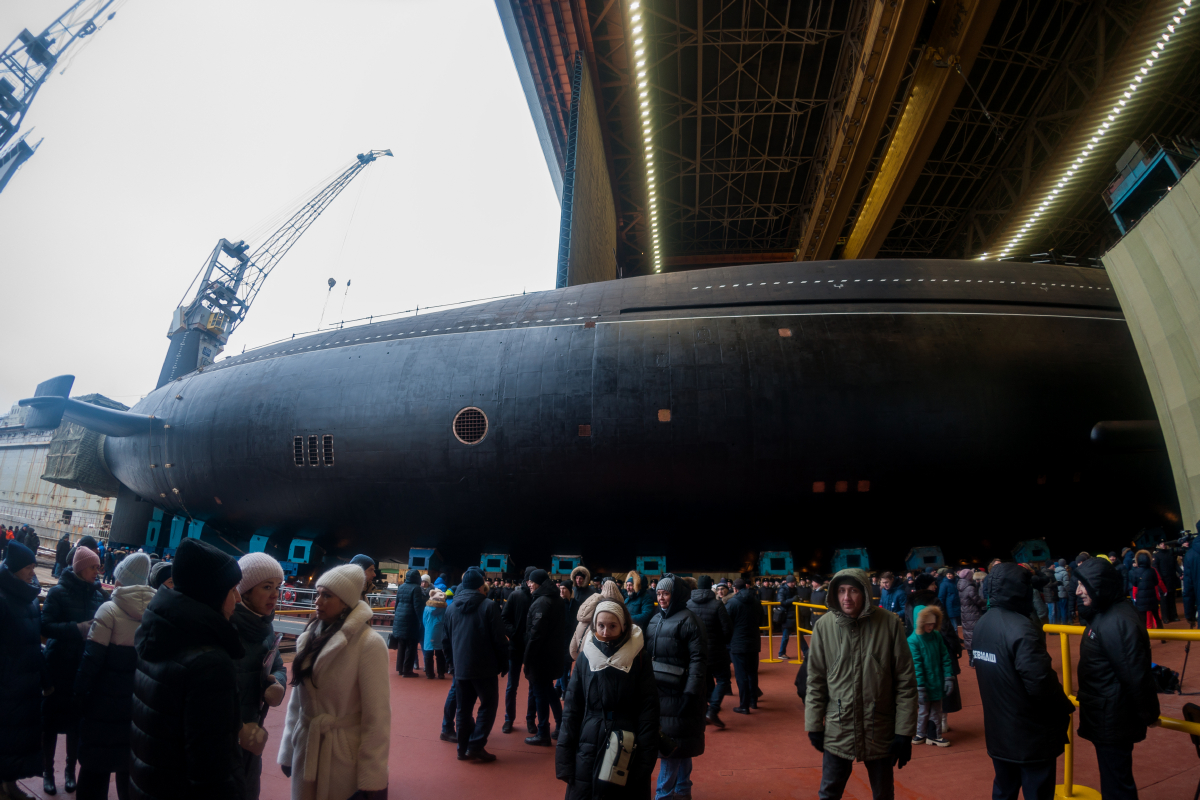
The Russian Pacific Fleet’s nuclear-powered ballistic missile submarine Generalissimus Suvorov has carried out a submerged launch of a Bulava intercontinental ballistic missile from the Sea of Okhotsk, Russia’s Defence Ministry said on its official Telegram channel on 28 October 2026. According to the ministry, the missile’s warheads reached the designated target area at the expected time.
- Submarine: Generalissimus Suvorov, Project 955A Borei-A, Pacific Fleet
- Missile: RSM-56 Bulava submarine-launched ICBM
- Launch area: Sea of Okhotsk, from a submerged position
- Target: Chizha test range, Arkhangelsk region (per Russian media citing the Pacific Fleet)
- Stated purpose: planned combat training to confirm combat readiness
What Russia’s Defence Ministry said
The ministry described the firing as part of the boat’s scheduled combat training plan and said it “confirmed combat readiness” of the strategic missile cruiser. The launch was performed while the submarine was submerged, and the ministry said the missile’s warheads arrived at the range on schedule. No independent confirmation of the test outcome was available.
Russian media, citing the Pacific Fleet press service, reported that the target area was the Chizha range in the Arkhangelsk region of northern Russia, meaning the missile flew westward across the length of the country. The fleet said objective monitoring data confirmed the result.
The submarine and the missile
Generalissimus Suvorov is one of Russia’s Project 955A Borei-A class nuclear ballistic missile submarines (SSBNs), which form the backbone of the sea-based leg of the country’s strategic nuclear triad. The boat entered service in late 2022 and was later transferred to the Pacific Fleet, where it is based on the Kamchatka Peninsula.
The Bulava (RSM-56) is a three-stage, solid-fuel ballistic missile developed specifically for the Borei family. Each Borei-A boat is designed to carry 16 of the missiles, and the type is intended to replace older Soviet-era submarine-launched systems.
Why the test matters
Routine Bulava firings are used by the Russian Navy both to certify newer submarines and to demonstrate that crews already in service remain proficient. Launches from the Pacific are less frequent than those from the Northern Fleet’s White Sea and Barents Sea areas, giving this firing added significance for Russia’s Pacific nuclear posture.
The test comes as the Russian Navy continues to expand its Borei-A fleet and follows other recent Pacific Fleet exercises, including an October firing of Onyx and Kalibr cruise missiles by the Yasen-M submarine Novosibirsk. Western governments closely monitor such launches as indicators of the readiness of Russia’s strategic forces.
Featured image: Ministry of Defence of the Russian Federation / CC BY 4.0, via Wikimedia Commons (Borei-A class submarine Knyaz Pozharskiy shown for illustration)