Agnipath Scheme Explained: Agniveer Salary, 25% Retention and What Happens After Four Years
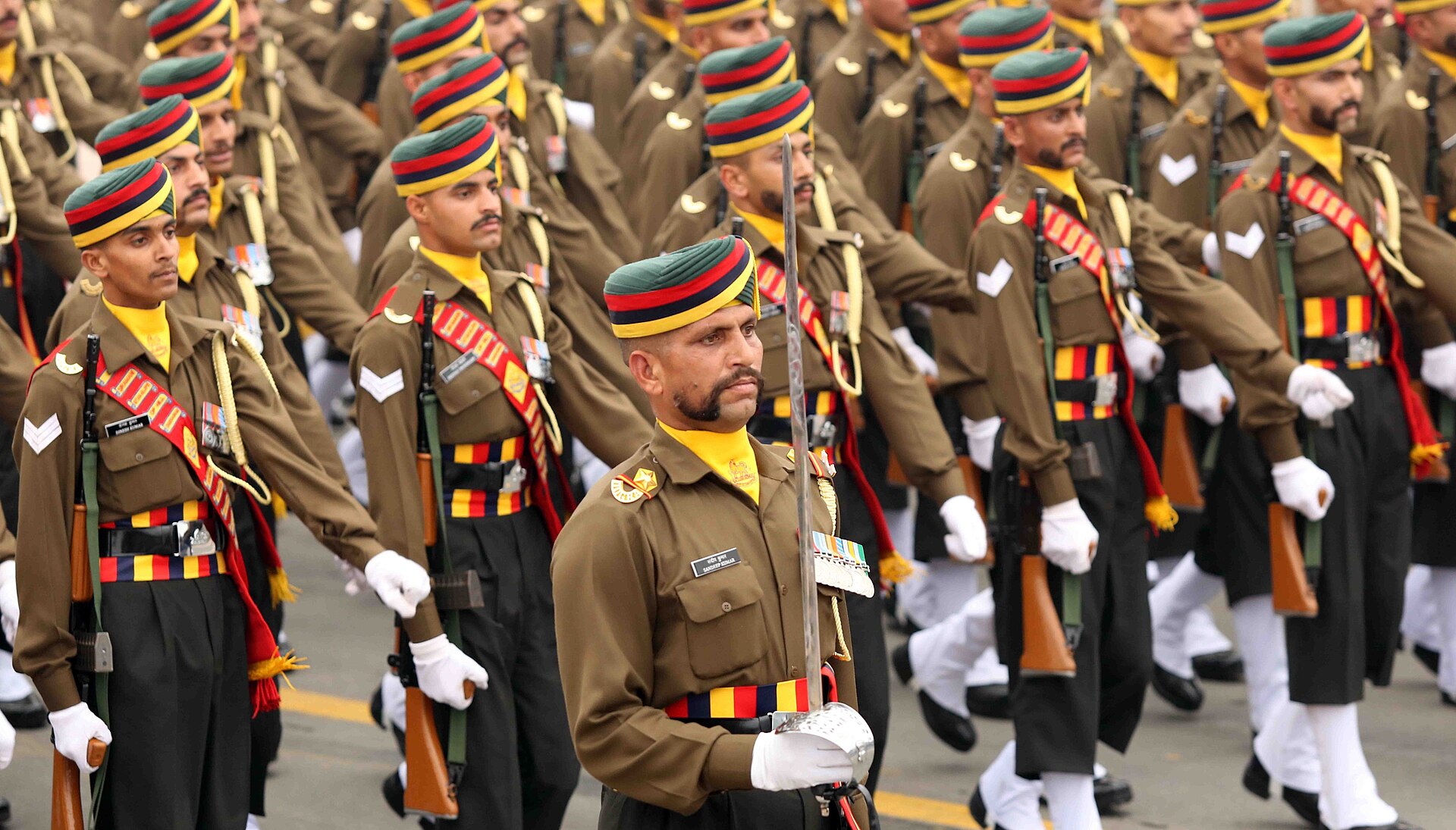

In June 2022 India changed the way it recruits soldiers, sailors and airmen. Under the Agnipath scheme, most new recruits, called Agniveers, serve for four years, after which only a quarter are kept on as regular personnel. As the first Agniveers approach the end of their tenure, the scheme is again at the centre of national debate.
- Announced on 14 June 2022 for the Army, Navy and Air Force
- Recruits aged 17.5 to 21 serve a four-year term, including training
- Up to 25% of each batch can be retained as regular personnel
- Monthly pay starts at Rs 30,000 and rises to Rs 40,000 in the fourth year
- Exit package (Seva Nidhi) of about Rs 11.7 lakh, tax-free
What is the Agnipath scheme?
Agnipath (“path of fire”) replaced the traditional system of long-service enlistment for personnel below officer rank. Recruits join as Agniveers for four years, including about six months of training. At the end of the term they can apply for permanent service, and up to 25% are selected on the basis of merit and organisational need.
Why India introduced it
The government gave two main reasons: to make the armed forces younger and to control a fast-growing pension bill, which takes a large share of the defence budget. A younger force, officials argued, would be fitter and more comfortable with new technology, while savings could be used for modernisation.
Salary and benefits
Agniveers receive Rs 30,000 a month in the first year, rising to Rs 40,000 in the fourth. Part of the pay goes into a corpus matched by the government, producing a Seva Nidhi package of around Rs 11.7 lakh on exit, free of income tax. Agniveers have life insurance cover during service but no pension if they leave after four years.
Opposition and protests
The announcement triggered violent protests in several states in 2022, as young people who had trained for years for long-term military careers feared losing secure jobs and pensions. Veterans also raised concerns about training time, unit cohesion and the impact on regiments with strong traditions.
What happens after four years?
The first batches joined in late 2022 and early 2023, so their four-year terms are now ending. Many states and the central armed police forces have reserved a share of jobs for former Agniveers, and some private companies have offered preference in hiring. Reports in 2025 and 2026 suggested the armed forces were reviewing the scheme, including whether to retain more than 25%.
Verdict
Agnipath is one of the biggest personnel reforms in India’s military history. Its success will be judged by whether the forces stay combat-ready and cohesive, and whether the 75% who leave find good careers. How the first batch’s transition is handled will shape public opinion on the scheme for years.
Featured image: Government of India / GODL-India, via Wikimedia Commons