What Does the US Space Force Do? Mission, Satellites, Budget and Golden Dome
When the US Space Force was created in 2019, many people joked about it. Today it is at the centre of American military planning. Almost every modern weapon depends on space: GPS guides bombs, satellites detect missile launches and carry military communications. Here is what the Space Force actually does and why it is growing fast.
- Created in December 2019 as the sixth US military branch
- Roughly 10,000 uniformed Guardians, the smallest service
- Runs GPS, missile warning and military satellite communications
- Central to the Golden Dome missile defence plan
- China’s fast-growing satellite fleet is its main concern
A new branch
The Space Force was established in December 2019 as the sixth branch of the US armed forces, sitting within the Department of the Air Force much as the Marine Corps sits within the Department of the Navy. Its members are called Guardians. With around 10,000 uniformed personnel plus civilians, it is by far the smallest service, but it controls some of the most valuable assets in the military.
What it does
The Space Force’s core jobs are providing navigation and timing through the GPS constellation; detecting missile launches with infrared early-warning satellites; operating military satellite communications; tracking tens of thousands of objects in orbit to keep watch on rival satellites and debris; and launching national security payloads from Cape Canaveral and Vandenberg. Increasingly it also prepares to protect US satellites and, if necessary, to counter enemy space systems.
New satellites, new architecture
Instead of a few large, expensive satellites, the Space Force is moving to proliferated constellations of hundreds of smaller ones in low Earth orbit, built by the Space Development Agency. These are harder to destroy and can track hypersonic missiles and relay targeting data directly to forces on the ground, at sea and in the air. The secretive X-37B spaceplane tests new technologies in orbit.
Golden Dome
In 2025 the US launched Golden Dome, an ambitious plan to defend the homeland against ballistic, hypersonic and cruise missiles. It relies heavily on space-based sensors and, potentially, space-based interceptors, placing the Space Force at the heart of one of the largest defence projects of the decade. Costs and technical feasibility remain hotly debated.
Budget
The Space Force’s budget has grown rapidly and now reaches tens of billions of dollars a year, with additional funds for Golden Dome and launch infrastructure. Much of the money flows to commercial partners such as SpaceX, United Launch Alliance and a growing number of satellite start-ups.
The rivals
China operates more than 1,000 satellites, many with military uses, and has tested anti-satellite missiles and manoeuvring satellites that can approach others. Russia has also tested anti-satellite weapons and is suspected of developing a nuclear anti-satellite capability. The Space Force’s mission is to ensure the US keeps its advantage in a domain where any conflict would start early and spread fast.
Verdict
The Space Force may be small, but every other branch depends on it. As warfare becomes more networked and missile threats grow, it is likely to become one of the most important parts of the US military.
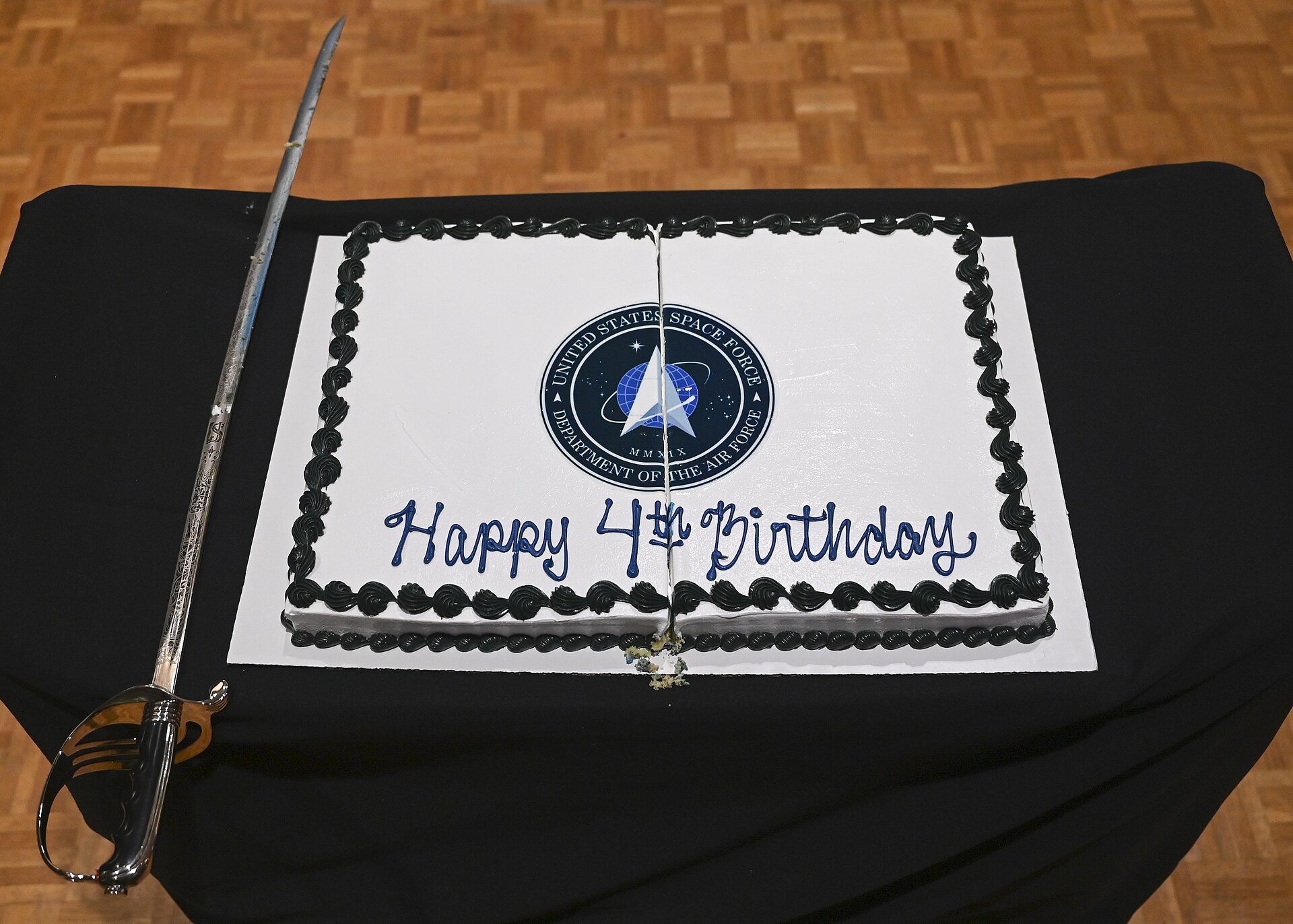
Featured image: U.S. Space Force photo by Senior Airman Joshua LeRoi / Public domain, via Wikimedia Commons