Top 10 Electronic Warfare Systems in 2026
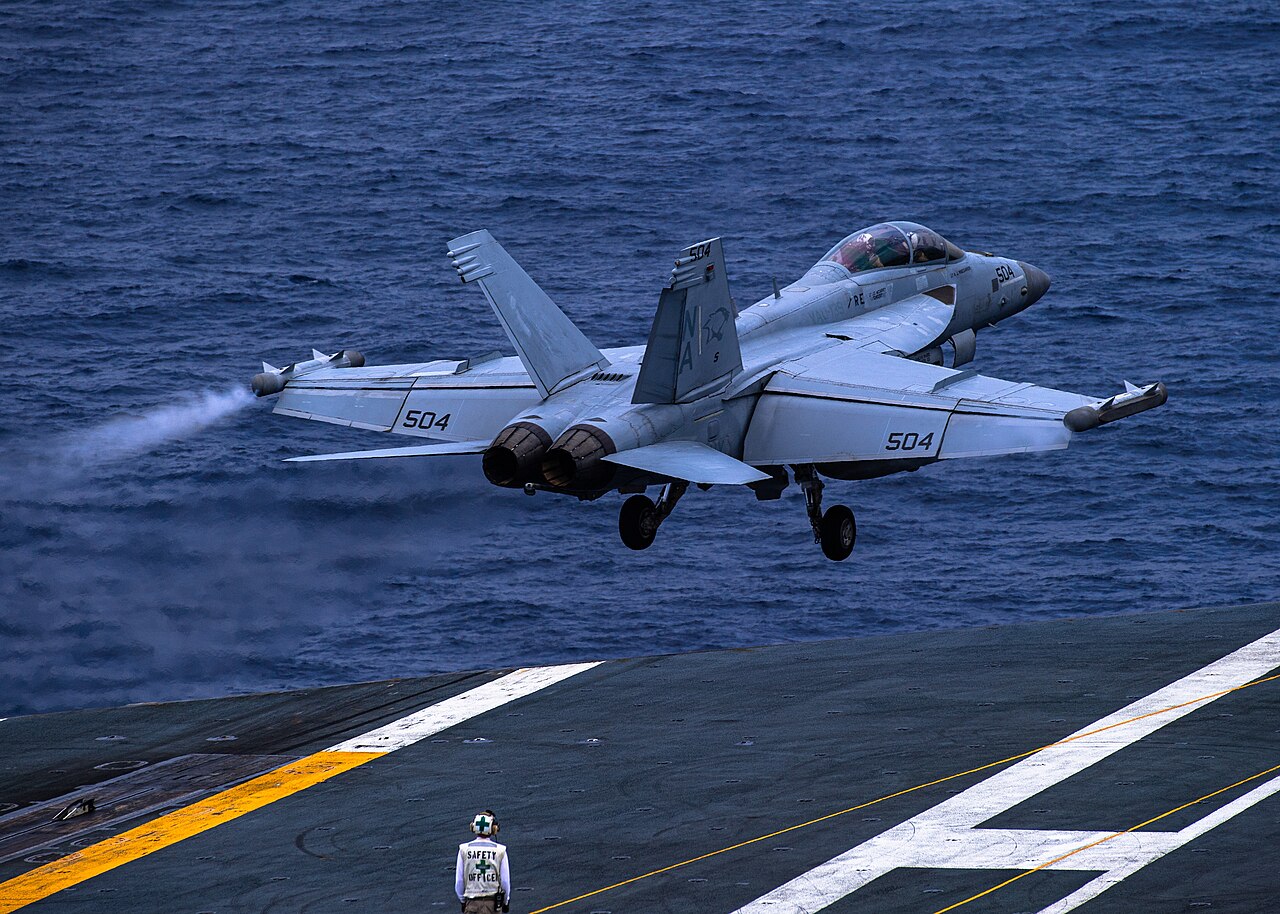
The EA-18G Growler, EC-37B Compass Call and F-35’s Barracuda suite lead our ranking of the top 10 electronic warfare systems in 2026, a field reshaped by Ukraine, where jamming of GPS-guided weapons and drone links has become a daily contest. This list orders ten systems by fielded capability, combat relevance, reach and technological depth, across air, sea and land.
How this ranking works
| Criterion | What we looked at | Approximate weight |
|---|---|---|
| Fielded capability | Systems in service, number of platforms, maturity | 30% |
| Combat relevance | Reported use in conflicts; operator-reported results are marked as such | 25% |
| Reach and integration | Coverage of radar, communications and navigation, plus fit with other systems | 20% |
| Technology depth | Power, agility, digital and AESA-based design | 15% |
| Pipeline and outlook | Upgrades, funding and exports | 10% |
We ranked specific systems and suites, not countries or companies, and we counted electronic attack, protection and support roles together. Public data on jamming is scarce and often classified, so ranges and effectiveness figures are treated with caution and labeled. Reports from the war in Ukraine are operator-reported unless independently confirmed. Consistent with this site’s editorial policy, companies and platforms headquartered in Israel are excluded from consideration.
Top 10 electronic warfare systems ranked
| Rank | System | Country | Role |
|---|---|---|---|
| 1 | EA-18G Growler | United States | Carrier-capable airborne electronic attack |
| 2 | EC-37B Compass Call (replacing EC-130H) | United States | Communications jamming aircraft |
| 3 | AN/ASQ-239 Barracuda (F-35) | United States | Integrated fighter electronic warfare suite |
| 4 | AN/SLQ-32(V)6 SEWIP Block 3 | United States | Shipboard electronic support and attack |
| 5 | Rafale SPECTRA | France | Integrated self-protection suite |
| 6 | Krasukha-4 | Russia | Ground-based radar jammer (claimed) |
| 7 | Borisoglebsk-2 | Russia | Ground-based communications jammer |
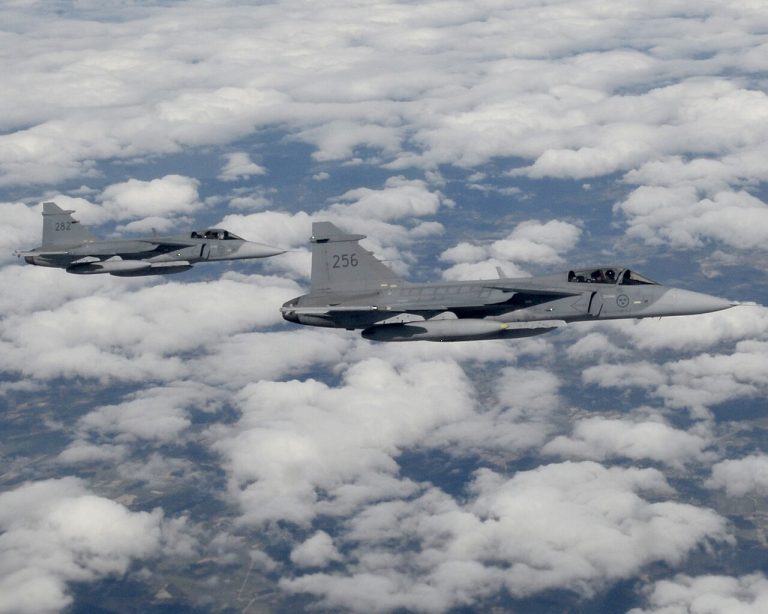
| 8 | Saab Arexis | Sweden | Fighter electronic warfare suite |
| 9 | J-16D | China | Dedicated electronic attack aircraft (reported) |
| 10 | Aselsan KORAL | Turkey | Ground-based radar electronic warfare |
The EA-18G Growler is first because it is the most mature dedicated electronic attack aircraft in the West. Boeing’s two-seat, carrier-capable jet flies with the US Navy and Royal Australian Air Force, carries jammer pods, and is moving from older pods toward the Next Generation Jammer, built by RTX. The EC-37B Compass Call takes second place. It is replacing the long-serving EC-130H with a business-jet airframe and targets enemy communications and command networks.
Third is the AN/ASQ-239 Barracuda, BAE Systems’ suite for the F-35. It is built into the aircraft rather than slung under it, and it shares data with the radar and other sensors. At sea, the SEWIP Block 3 upgrade to the AN/SLQ-32, built by Northrop Grumman, gives US Navy ships better detection and the ability to jam missile seekers. France’s SPECTRA, from Thales and MBDA, anchors Rafale self-defense and is widely regarded as one of Europe’s best-integrated suites.
Russia enters twice. The Krasukha-4 is a truck-mounted jammer that Russian state media and Rostec say can blind airborne radars and satellites at ranges of 150 to 300 km, a claim that has not been verified. Ukrainian forces say they have captured or destroyed Krasukha-type systems, which is also operator-reported. The Borisoglebsk-2 is a communications jammer that has been widely observed in Ukraine, where it is reported to disrupt radios and some data links. Sweden’s Arexis, developed for the Gripen E, sits eighth on technology depth despite a smaller fleet, and Chinese media present the J-16D as a dedicated electronic attack fighter whose real capability is poorly documented. Turkey’s KORAL, from Aselsan, closes the list, with Turkish media and officials crediting it with jamming radars in Syria, an operator-reported claim.
What Ukraine has shown about electronic warfare
Ukraine has turned electronic warfare from a niche specialty into a mass activity. Russian jammers have degraded GPS-guided artillery shells and glide kits, according to Ukrainian and US officials quoted in media reports, while both sides use cheap jammers to shield trenches and vehicles from drones. Our explainer on GPS jamming and spoofing describes the physics, and ECM vs ECCM covers the ongoing contest between jamming and counter-jamming.
One adaptation is the fiber-optic drone, which cannot be jammed because it does not use radio; see our note on fiber-optic FPV drones. Another is frequency hopping and autonomy, which let drones keep flying when links are cut. The lesson for buyers is that an electronic warfare system is judged less by peak power than by how fast it can be updated.
Systems that just missed the top 10
Several systems narrowly missed the cut. Russia’s Murmansk-BN and Pole-21 are widely reported but thinly documented. Ukraine’s Bukovel-AD, a passive detection and jamming system, has drawn attention from Ukrainian operators. The US Army’s ground electronic warfare programs are still maturing. European naval suites and India’s Army systems also deserve a look in future editions.
Electronic warfare systems frequently asked questions
What is the best electronic warfare system in the world?
On fielded capability, the US EA-18G Growler is the most mature dedicated electronic attack platform, though public data is limited.
What is the difference between electronic attack and electronic protection?
Attack uses jamming or deception against an enemy, while protection defends your own sensors and communications from being jammed.
Does Russia have better electronic warfare than NATO?
Russia invests heavily in ground-based systems, but Western airborne and shipboard suites are generally judged more advanced. Many Russian claims are unverified.
Can electronic warfare stop drones?
It can disrupt radio-controlled drones, but fiber-optic and autonomous drones resist jamming.
What is a Growler?
The EA-18G Growler is a modified F/A-18F Super Hornet designed to jam radars and communications.
- Manufacturer and government product literature (manufacturer claims)
- Wikipedia – Electronic warfare and individual system articles (accessed October 2026)
- US Department of Defense and Royal Australian Air Force public information
- Defence & Tech reporting on electronic warfare