

GUARDIANS OF THE BLUE FRONTIER: THE STRATEGIC POWER OF GLOBAL NAVAL FORCES

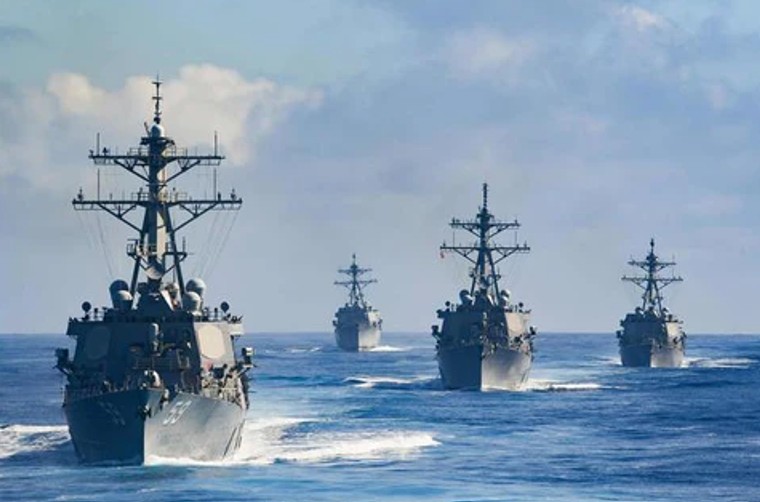

GLOBAL MARITIME DESK — Covering over 70% of the Earth’s surface, the oceans are the lifeblood of global trade and the ultimate arena for strategic power projection. A modern Naval Force is not merely a collection of ships; it is a mobile, sovereign territory capable of sustaining long-term operations thousands of miles from home. From protecting vital sea lines of communication (SLOC) to providing a platform for humanitarian aid, naval power is the cornerstone of global stability.
What is a Naval Force?
A Naval Force is a branch of a nation’s military primarily tasked with naval and amphibious warfare. Its mission is defined by Sea Control (ensuring friendly forces can use the sea) and Sea Denial (preventing an adversary from using it). In the 21st century, this mission extends from the deep seabed to the coastal “littoral” zones.
The Pillars of Modern Naval Power: Key Units
A balanced fleet consists of diverse units, each fulfilling a specific role in the maritime ecosystem:
1. Capital Ships: The Core of Power Projection
-
Aircraft Carriers: Floating airbases that allow a nation to project air power anywhere in the world.
-
Amphibious Assault Ships (LHD/LHA): Designed to land troops and vehicles on hostile shores, often acting as “drone carriers” in modern contexts.
2. Surface Combatants: The Shield and the Sword
-
Destroyers: The multi-role workhorses of the fleet, specialized in anti-air and anti-submarine warfare (e.g., Arleigh Burke-class).
-
Frigates & Corvettes: Smaller but highly versatile vessels used for coastal defense, escort missions, and anti-piracy operations.
3. Submarines: The Silent Deterrent
Operating in the “Undersea Domain,” submarines are the most feared naval assets.
-
Attack Submarines (SSN): Fast, stealthy hunters designed to destroy enemy ships and subs.
-
Ballistic Missile Submarines (SSBN): The ultimate deterrent, carrying nuclear missiles as a “second-strike” capability.
4. Unmanned Surface & Underwater Vehicles (USV/UUV)
The newest frontier in naval tech. Autonomous “ghost ships” and underwater drones are now used for mine clearance, reconnaissance, and even “kamikaze” strikes against larger vessels.
[Image comparing a large aircraft carrier, a stealthy frigate, and an autonomous underwater vehicle]
Why is Naval Power Critical?
-
Trade Protection: Over 90% of global trade travels by sea. Navies ensure that “choke points” (like the Suez Canal or the Strait of Hormuz) remain open.
-
Subsea Infrastructure: Protecting the thousands of miles of underwater fiber-optic cables and energy pipelines that power the global internet and economy.
-
Diplomacy: “Gunboat Diplomacy”—the simple presence of a powerful fleet off a coast can influence international negotiations without a single shot being fired.