Russia Says New F-1 Interceptor Drone Downed 20+ Ukrainian UAVs in First Combat Use
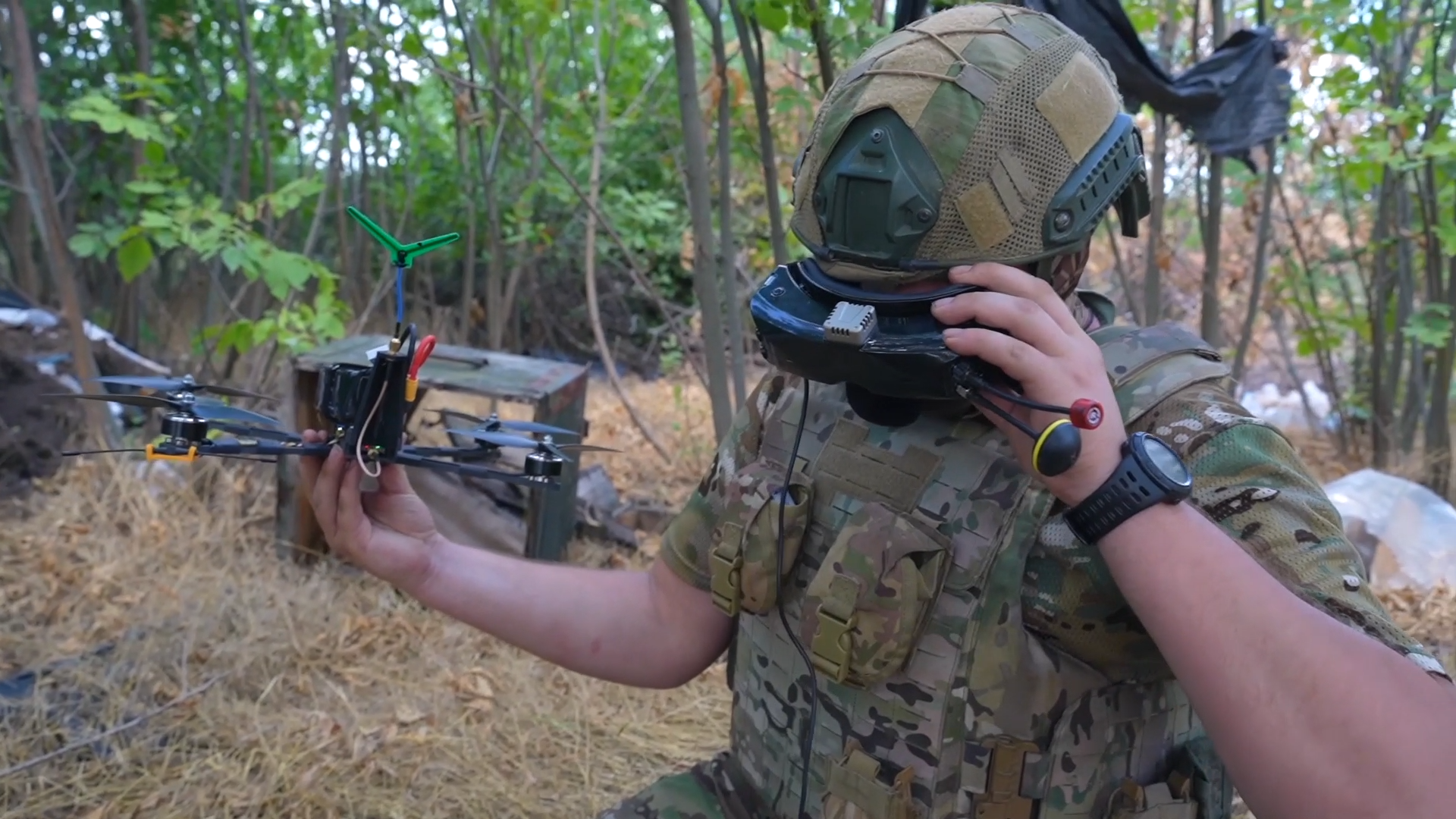
Russia’s Defence Ministry said on Thursday that a previously undisclosed interceptor drone, designated F-1, has been used in combat for the first time by an anti-aircraft missile brigade of its “Centre” group of forces. In a post on its official Telegram channel on 22 October 2026, the ministry claimed the drone’s crews destroyed more than 20 Ukrainian strike drones over four days. The figures could not be independently verified.
- Drone: F-1 interceptor UAV, not previously shown publicly
- User: anti-aircraft missile brigade of Russia’s “Centre” group of forces
- Claimed result: more than 20 Ukrainian strike drones destroyed in four days
- Area cited by the ministry: Dnipropetrovsk direction
- Source: Russian Defence Ministry Telegram channel, 22 October 2026; claims unverified
What Russia’s Defence Ministry claimed
According to the ministry, the F-1 intercepts Ukrainian reconnaissance and strike drones on their approach, before they can reach Russian positions. It said the system proved highly effective against fast-moving targets in the Dnipropetrovsk direction.
Russian state media, citing the ministry via TASS, reported that the targets included Ukrainian PD-2, Rubaka and Blyskavka drones, and that an F-1 crew also shot down two examples of a newer Ukrainian drone called Anubis for the first time. None of these claims has been confirmed by Ukraine or by independent observers.
Design details released so far
The ministry published few technical details. A crew commander quoted in the post praised the drone’s streamlined shape, wing aerodynamics, reinforced motor and controller, and said its small size and light weight did not compromise stability in poor weather.
Russian outlets reported that the F-1 is a fixed-wing, aeroplane-type design with a V-tail and carries an OFBCh-0.8 high-explosive fragmentation warhead. No range, speed, cost or manufacturer has been disclosed. Its crews reportedly work alongside air observation posts and radar teams that provide early target detection.
Why interceptor drones matter
Both Russia and Ukraine have turned to low-cost interceptor drones to counter the large numbers of one-way attack and reconnaissance UAVs used along the front line, as missiles and guns are often too scarce or expensive for every target. Ukraine has fielded its own interceptor types against Russian Shahed/Geran-type drones, and Moscow has now publicised a dedicated system of its own.
The F-1 announcement fits a wider pattern in which counter-drone capability is shifting from traditional air defence assets towards cheap, mass-produced drones operated at brigade level.
Featured image: Russian Ministry of Defence (mil.ru) / CC BY 4.0, via Wikimedia Commons