Patriot, F-35 Engines and Your Airliner: The $340 Billion Company Most People Still Call Raytheon
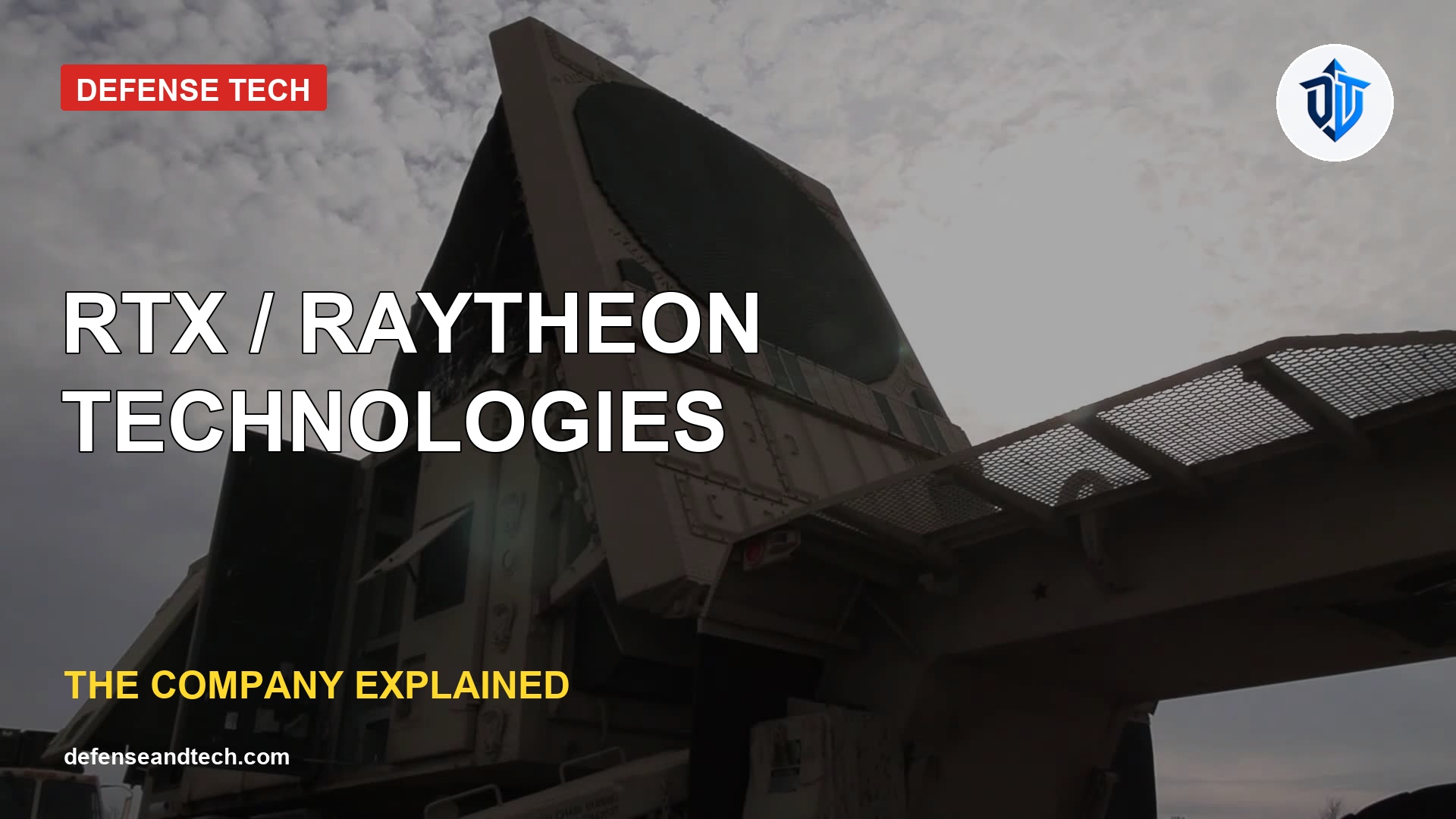
A missile-defense radar, a fighter engine and the equipment inside the airliner you flew on last month can all belong to the same corporate group without being made by the same business. That group is RTX, still searched for by many as Raytheon Technologies. Our new documentary separates the parent company from the specialists working beneath it.
Key facts
- Raytheon’s roots go back to 1922 and the American Appliance Company near MIT
- Raytheon Company and United Technologies’ aerospace businesses combined in 2020
- Renamed RTX Corporation in 2023, with three businesses: Collins Aerospace, Pratt & Whitney and Raytheon
- Pratt & Whitney’s F135 powers the F-35 family
- Third quarter 2026: sales of about $25 billion and a backlog of $340 billion
From a radio tube to radar
Raytheon was not founded to build missiles. An early success was a tube that made household radio more practical, and during the Second World War its magnetron production helped supply radar. Pratt & Whitney’s engine heritage dates to the 1920s Wasp, and Collins brings its own history in communications and aircraft systems. RTX inherited several lines of expertise rather than growing from one invention.
Patriot is a system, not a launcher
Patriot combines radar, command equipment, communications, crews and different interceptors. Raytheon supplies major parts, including the GEM-T interceptor and the newer LTAMDS radar, but not every interceptor associated with Patriot comes from the same manufacturer. NASAMS is another partnership, with Norway’s Kongsberg supplying key command and launcher elements.
The engine inside someone else’s jet
Lockheed Martin builds the F-35; Pratt & Whitney builds its main engine, and Rolls-Royce supplies parts of the short take-off and vertical landing system. On the commercial side, the geared turbofan brings efficiency, but RTX has also disclosed accelerated inspections of some components because of a powder-metal condition. Airlines judge an engine by reliability, not only by the specification sheet.
Why the numbers are a challenge
A $340 billion backlog is contracted future work, not delivered missiles or battlefield performance. Turning it into output depends on suppliers, skilled workers, factories and quality control across very different businesses.
Watch the full series
This article accompanies our documentary on YouTube. The complete Defense Company Documentaries series follows eight of the best-known defense and aerospace companies, from Lockheed Martin and RTX to ASELSAN and HAVELSAN. Subscribe to DefenseandTech on YouTube so you don’t miss the next episode.
Editorial reference date: 2 November 2026. Figures come from company reports published by that date.