
Israel Assassinated Al Jazeera Reporter in Targeted Drone Strike

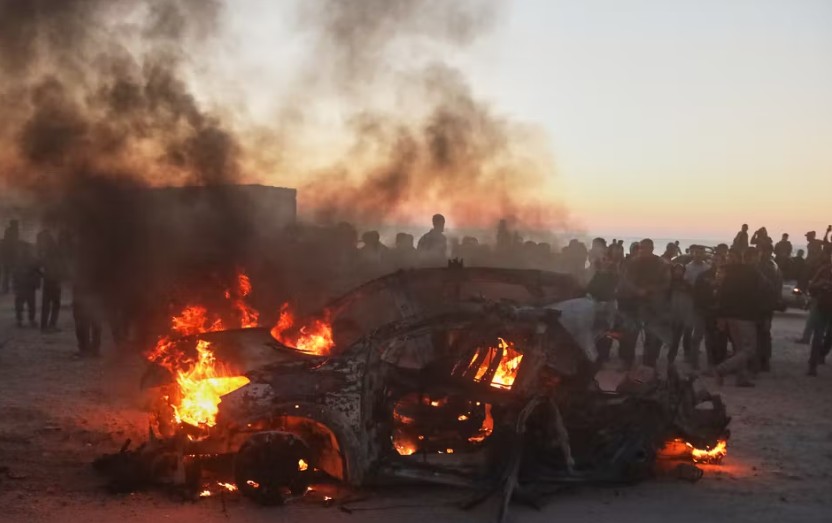

In a move that has sent shockwaves through the global media community, Israel has assassinated an Al Jazeera reporter in a targeted drone strike in West Gaza. The journalist, identified as Muhammad Wishah, was reportedly traveling in his vehicle when it was struck by precision-guided munitions launched from an Unmanned Aerial Vehicle (UAV).
The strike was characterized by its surgical nature, hitting the moving vehicle in a densely populated urban corridor. However, the precision of the technology has only intensified the outcry regarding the intent behind the operation.
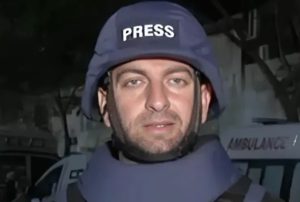
A Breach of International Law
Under International Humanitarian Law, specifically Article 79 of Protocol I of the Geneva Conventions, journalists engaged in dangerous professional missions in areas of armed conflict are considered civilians. They must be respected and protected as such.
Legal experts argue that the targeted nature of this strike—conducted while the reporter was in a moving vehicle—suggests a deliberate assassination rather than collateral damage. By targeting a clearly identified or known member of the press, the operation stands as a direct challenge to the “Protective Status” afforded to journalists under the laws of war.
Ethics and the Principles of the Press
The assassination is being viewed as a catastrophic blow to journalistic ethics and the safety of the “Free Press.” International media organizations have condemned the act as an attempt to silence investigative reporting in conflict zones.
-
Morality in Warfare: The use of high-tech surveillance to track a journalist’s movements and execute a strike raises profound moral questions about the dehumanization of “targets” in the digital age.
-
The Chilling Effect: Ethicists argue that such assassinations serve a dual purpose: neutralizing a specific voice and intimidating other journalists from reporting on the ground, effectively creating an information vacuum.
Defense Analysis: The Use of Precision for Suppression
From a Defense & Tech standpoint, this incident highlights a dark reality of modern precision warfare. While UAVs are marketed as tools to reduce “unnecessary” casualties, they also provide militaries with the ability to eliminate specific individuals with high confidence.
The question remains: when technology allows for perfect identification, why was a journalist’s status ignored? For defense analysts, this strike indicates a shift in rules of engagement (ROE) where “media affiliation” is no longer viewed as an automatic safeguard by the IDF, but rather a profile that can be overridden by intelligence designations.
Global Reaction
The United Nations and various press freedom watchdogs have called for an immediate independent investigation. The Arab League and Al Jazeera Media Network have released statements characterizing the strike as a “cold-blooded assassination” and a war crime. As the international community weighs its response, the death of Muhammad Wishah remains a stark reminder of the escalating risks faced by those attempting to document the realities of the modern battlefield.