

CONGRESS ISSUES BRUTAL “FINAL ULTIMATUM” TO THE F-35 PROGRAM



The era of the F-35 Lightning II as an “untouchable” defense asset is officially over. In a series of candid remarks that have sent shockwaves through the aerospace industry, Representative Ken Calvert, Chairman of the House Appropriations Defense Subcommittee, has signaled that the Pentagon’s patience with Lockheed Martin’s flagship program has reached its limit.
The message from the “holder of the purse strings” is clear: performance is now the only currency that matters on Capitol Hill.
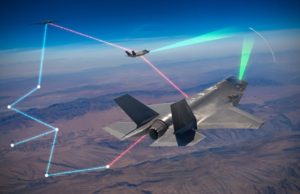
“Sitting on the Ramp”: The Ultimate Critique
Rep. Calvert’s frustration stems from the F-35’s persistent sustainment and readiness issues, which have been exacerbated by recent operational demands in the Middle East. During a high-level briefing reported by Breaking Defense, Calvert delivered a quote that is now defining the 2027 budgetary debate:
“If the F-35 is sitting on the ramp and can’t fly, it doesn’t matter that it’s the most advanced aircraft in the world. In the 2027 budget, we are not going to give a blank check to platforms that don’t perform.”
This assessment strikes at the heart of the F-35’s primary vulnerability: its availability. Despite its stealth and sensor fusion capabilities, the aircraft’s low mission-capable rates—often hindered by software delays (TR-3) and a broken spare parts supply chain—have made it a liability in high-tempo conflict environments.
The Pivot: F-15EX and Unmanned Systems (CCA)
Perhaps more alarming for the F-35 program is Calvert’s willingness to look elsewhere. The Chairman indicated that if Lockheed Martin cannot stabilize the platform, Congress is prepared to reallocate billions toward more reliable and cost-effective alternatives.
The two primary beneficiaries of this potential pivot are:
-
The F-15EX Eagle II: A platform that lacks stealth but offers massive payload capacity, lower hourly flight costs, and significantly higher readiness rates.
-
Collaborative Combat Aircraft (CCA): The next-gen unmanned “loyal wingmen” that can perform high-risk missions at a fraction of the cost of a manned stealth fighter.
By suggesting a shift toward these systems, Calvert is challenging the “all-in” stealth doctrine that has dominated the U.S. Air Force for two decades.
A Message to Lockheed Martin
Industry analysts view Calvert’s stance as a final warning. For years, the F-35 program was shielded by its sheer scale and the lack of viable 5th-generation alternatives. However, the rise of autonomous drone technology and the proven reliability of 4.5-generation jets like the F-15EX have provided lawmakers with the leverage they previously lacked.
As the 2027 budgetary cycle approaches, the F-35 program must prove it can move from the “ramp” to the “fight,” or face a historic reduction in its force structure.