How Many Nuclear Weapons Does the UK Have? Trident and Dreadnought
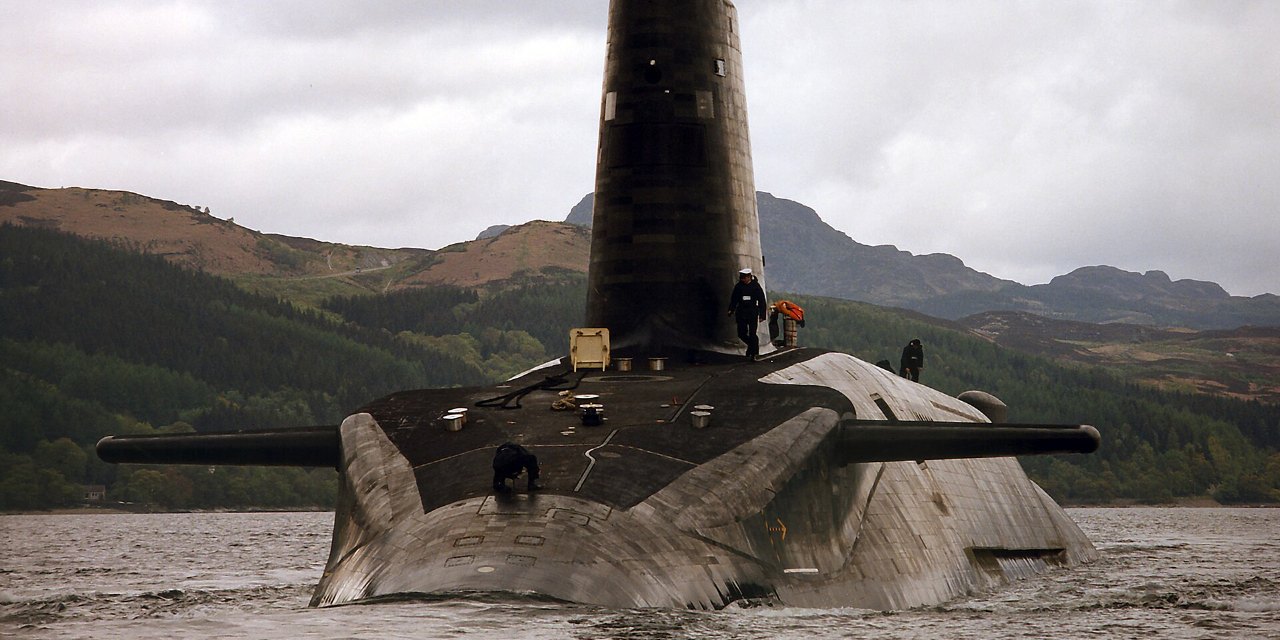
The United Kingdom has about 225 nuclear warheads, according to the most widely used independent estimate, and has set itself a ceiling of 260. All of them are for one weapon, the Trident II D5 missile carried by four Vanguard-class submarines, one of which has been at sea at every moment since 1969. It is the only nuclear-armed state that relies on a single system, and it is in the middle of replacing every part of it: the submarines, the warhead and, in a sense, the doctrine, with the return of nuclear bombs for aircraft.
This guide explains how many weapons Britain has, how the deterrent works, who controls it and what it costs.
How many nuclear weapons does the UK have?
The government does not publish its current stockpile. It says only that the total will not exceed 260, a ceiling announced in 2021 that reversed an earlier plan to cut to 180. Independent estimates put the stockpile at about 225, of which about 120 are deployed and available for the submarines.
| Item | Figure |
|---|---|
| Warheads in the stockpile | About 225 (estimate) |
| Ceiling | 260 |
| Deployed warheads | About 120 |
| Warheads at sea on the patrolling submarine | No more than 40 |
| Missiles per submarine | No more than 8, in 16 tubes |
| Ballistic missile submarines | 4, Vanguard class |
| Nuclear-capable aircraft | None today; 12 F-35As on order |
| Nuclear tests | 45, from 1952 to 1991 |
| Non-Proliferation Treaty | Recognised nuclear-weapon state since 1968 |
That makes Britain the fifth-largest nuclear power by warheads, behind Russia, the United States, China and France. The American arsenal is described in our guide to US nuclear weapons.
How does the deterrent work?
Britain’s deterrent is called Continuous At-Sea Deterrence. One of the four submarines is always on patrol somewhere in the Atlantic, submerged and silent, so that no attacker could be sure of destroying Britain’s nuclear forces in a first strike. A second boat is usually preparing to relieve it, and the other two are in maintenance. Patrols have stretched to more than six months as the ageing boats spend longer in dock.
Each submarine carries no more than eight Trident missiles and 40 warheads. The missiles are American, drawn from a pool shared with the US Navy and kept in Georgia, and are described in our guide to British missiles. The warheads are British, designed and built by the Atomic Weapons Establishment at Aldermaston in Berkshire. The government says the missiles are not aimed at any country and would need several days’ notice to fire.
Who decides to use them?
Only the prime minister can authorise a launch, and the order is passed to the submarine by a chain of codes. Each new prime minister writes four handwritten letters of last resort, one for each submarine, saying what the commander should do if the government has been destroyed. The options are not public. The letters are destroyed unopened when a prime minister leaves office.
Britain does not need American permission to fire. It does depend on the United States for the missiles, for some components of the warhead and for testing, which is why critics question how independent the deterrent is in practice. The government’s position is that the system is operationally independent: once a submarine is at sea, nothing outside Britain can stop it.
Dreadnought: the replacement submarines
The Vanguard boats entered service between 1993 and 1999 and were meant to serve for 25 years. Their replacements, the four Dreadnought-class submarines, are being built by BAE Systems at Barrow-in-Furness, with reactors from Rolls-Royce. At about 17,200 tonnes they will be the largest submarines the Royal Navy has operated, with 12 missile tubes instead of 16. The first boat is due in the early 2030s. The government’s estimate for the programme is £31 billion, with a £10 billion contingency. The boats will be named Dreadnought, Valiant, Warspite and King George VI.
Astraea: the new warhead
The current warhead, known as Holbrook, is a British design closely related to the American W76. Its replacement, the A21 Astraea, has been under development at Aldermaston since 2020 alongside the American W93 and will use the same Mk7 re-entry body. Estimates of its explosive yield are higher than those for Holbrook. It is due in the late 2030s. There was no separate parliamentary vote on it, a point opponents of nuclear weapons have raised repeatedly.
Nuclear bombs for aircraft
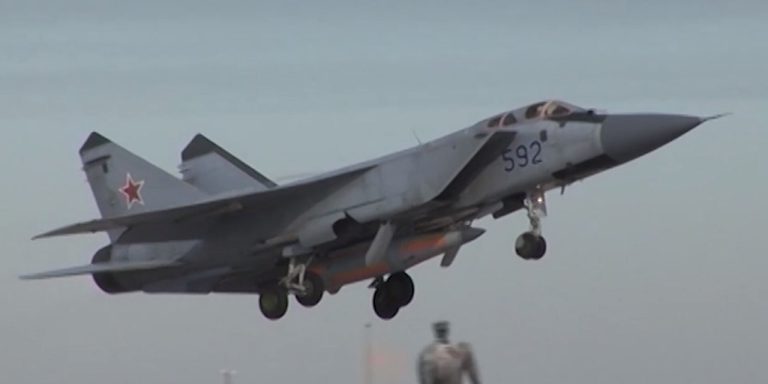
In June 2025 the government announced that 12 F-35A aircraft would be bought to carry American B61-12 nuclear bombs under NATO’s nuclear sharing arrangements. It is the first time since 1998, when the RAF retired its WE.177 bombs, that Britain has had an air-delivered nuclear role. The bombs would belong to the United States and could be used only with the American president’s authorisation, as in the other NATO countries that host them. The aircraft and the plan are described in our guide to British fighter jets.
How much does the deterrent cost?
The Defence Investment Plan published on 30 June 2026 put spending on the nuclear enterprise, including the Dreadnought boats, the Astraea warhead and the new SSN-AUKUS attack submarines, at more than £63 billion over four years. In 2024-25 the nuclear enterprise took £10.9 billion, 18% of the defence budget, and Parliament’s Public Accounts Committee expects the share to rise to about a fifth. Supporters say that is the price of the ultimate guarantee of national survival. Critics say it starves the conventional forces of money for ships, aircraft and ammunition.
Frequently asked questions
How many nuclear weapons does the UK have?
About 225 warheads, according to independent estimates. The government has set a ceiling of 260 and does not publish the current figure.
Where are the UK’s nuclear weapons kept?
The warheads are carried by Vanguard-class submarines based at Faslane on the Clyde and stored at nearby Coulport when not at sea.
Can the UK fire nuclear weapons without the US?
Yes. The decision rests with the British prime minister. The missiles come from a pool shared with the United States, but launching them does not require American permission.
Does the UK have nuclear bombs for aircraft?
Not at present. Twelve F-35As have been ordered to carry American B61-12 bombs under NATO nuclear sharing, with delivery due by 2030.
When will the Dreadnought submarines enter service?
The first of four is due in the early 2030s.
How much does Trident cost?
The government plans to spend more than £63 billion on the nuclear enterprise over the four years from 2026, about a fifth of the defence budget.
- Arms Control Association – Arms control and proliferation profile: the United Kingdom: armscontrol.org
- Defense News – UK ratchets up nuclear spending with new warhead and delivery planes (July 2026): defensenews.com
- Breaking Defense – United Kingdom reveals sovereign nuclear warhead name, Astraea (March 2024): breakingdefense.com
- Federation of American Scientists – United Kingdom nuclear forces: fas.org