David’s Sling Explained: Israel’s Mid-Tier Missile Shield, Stunner Interceptor and Finland’s Purchase
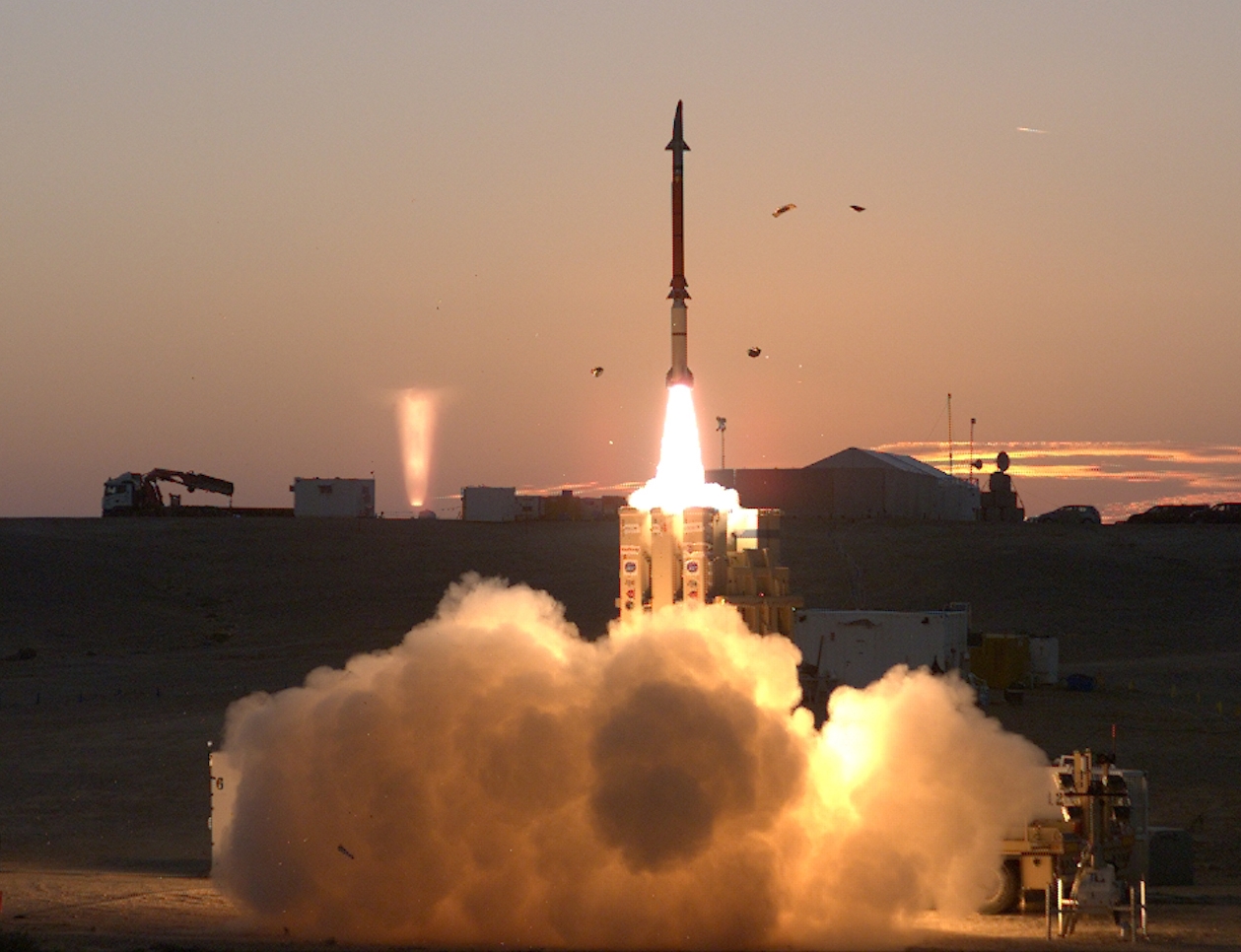
David’s Sling is the middle layer of Israel’s missile defense, designed to stop threats that are too big for Iron Dome but too low or short-ranged for the Arrow system. Built by Israel’s Rafael with the American company Raytheon, it targets heavy rockets, cruise missiles, drones and short-range ballistic missiles at ranges from about 40 to 300 km.
- Developers: Rafael (Israel) and Raytheon (US)
- Interceptor: Stunner, hit-to-kill, dual radar/EO seeker
- Engagement range: about 40–300 km
- Operational since 2017
- First export customer: Finland (2023)
How it works
The system’s interceptor, called Stunner, is a two-stage missile with a distinctive pointed “dolphin” nose that houses two seekers: a radar and an electro-optical sensor. Using both makes it harder to fool with decoys or jamming. Like Arrow 3, Stunner is a hit-to-kill weapon that destroys targets by direct impact rather than with an explosive warhead. Targets are detected by Elta’s multi-mission radar, and the battle is managed by Elbit’s command system.
Where it fits
Israel’s air defense has four main layers: Iron Dome and the Iron Beam laser at the bottom, David’s Sling in the middle, and Arrow 2 and Arrow 3 at the top. David’s Sling covers the dangerous gap of large-caliber rockets and cruise missiles from Hezbollah and Iranian-backed groups, as well as some ballistic missiles.
Combat record
David’s Sling became operational in 2017 and saw its first combat use that year. Since October 2023 it has been used regularly against long-range rockets and missiles fired from Lebanon, and against Iranian missiles during the 2024 and 2025 attacks. Its use rose sharply as Hezbollah fired heavier weapons deeper into Israel.
Exports: Finland and beyond
In 2023 Finland became the first export customer, buying David’s Sling to cover its high-altitude air defense gap after joining NATO. In the US, Raytheon has offered a version of the Stunner interceptor, known as SkyCeptor, as a lower-cost missile for Patriot-type systems, with Poland among the countries that have shown interest.
Cost
Each Stunner interceptor costs around $1 million, cheaper than Patriot PAC-3 or Arrow interceptors but far more expensive than the rockets it often shoots down. That cost gap is one reason Israel is rushing to deploy the Iron Beam laser for cheaper threats.
Why it matters
David’s Sling shows how layered air defense works in practice: no single system can stop everything, and each layer frees the others to focus on the threats they handle best. For European countries facing Russian missiles and drones, that layered model is now the blueprint.
Featured image: U.S. Missile Defense Agency / Israel Missile Defense Organization / Public domain, via Wikimedia Commons