Black Sea Shipping Attacks: Türkiye, Bulgaria and Romania Draw a “Red Line” After Sofia Talks
Türkiye, Bulgaria and Romania have warned the warring parties in the Russia-Ukraine conflict that attacks on commercial shipping in the Black Sea must stop immediately, describing the safety of trade routes and littoral states as a red line. Turkish Defence Minister Yaşar Güler made the remarks after a trilateral meeting of defence ministers and chiefs of general staff in Sofia, according to Türkiye’s Ministry of National Defence (MSB), which published his statement on its official X account on 28 October 2026.
- Meeting: Türkiye-Bulgaria-Romania Defence Ministers and Chiefs of General Staff, Sofia, 28 October 2026
- Participants: Yaşar Güler and Gen. Selçuk Bayraktaroğlu (Türkiye), Dimitar Stoyanov (Bulgaria), Ştefan-Radu Oprea (Romania)
- Message: targeting non-military merchant ships in international waters is “unacceptable”
- Türkiye will keep its current rules on warship transits through the Turkish Straits under the Montreux Convention
- The three states agreed on a joint text on Black Sea security
Concern over attacks on merchant vessels
Güler said the war, now approaching its fifth year, has had serious consequences for Black Sea security. Many commercial ships have been attacked, while drifting mines and debris from uncrewed surface vessels, drones and missiles have had to be destroyed, he said.
He said Ankara views the intense attacks on merchant ships with concern, urged the parties to act with common sense under the principle of freedom of navigation on the high seas, and stressed that Türkiye reserves all its legal rights against attacks on Turkish-flagged or Turkish-operated vessels. Both sides are being warned continually to keep commercial shipping out of the conflict zone, he added.
Capability without escalation
According to the MSB statement, Güler said the three littoral states have no shortfall in the capabilities needed to take any measure, but that timing and circumstances matter. He called for careful diplomacy and rational decisions at tactical and strategic level that avoid raising tension in the region.
He said Türkiye, which has the longest Black Sea coastline, has applied the Montreux Convention strictly since the start of the war, helping to prevent the conflict from spreading, and will continue its current arrangements for warship passages through the Turkish Straits while the situation persists.
Mine countermeasures and regional ownership
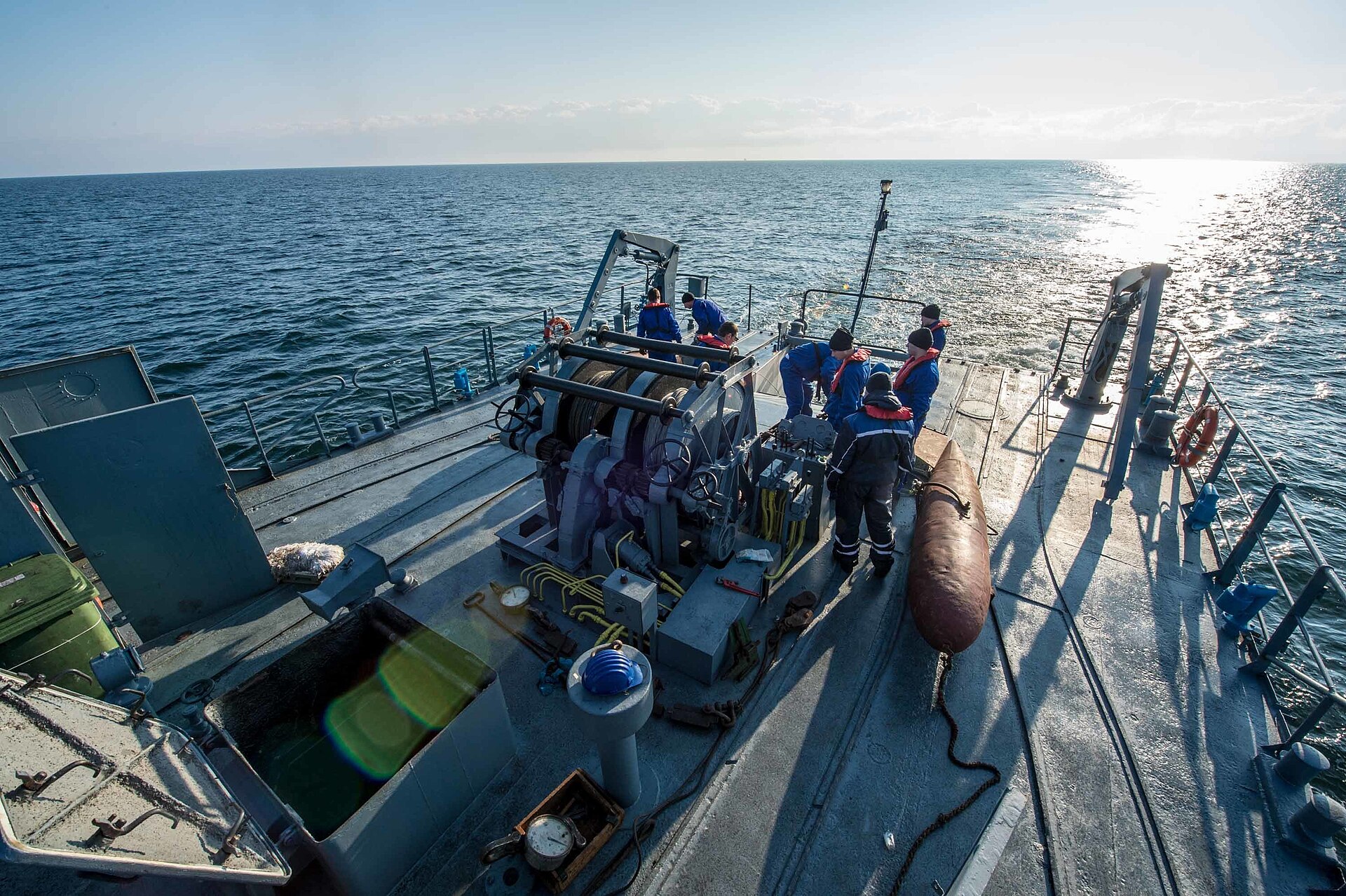
Güler recalled that Türkiye runs a national Mine Countermeasures Operation using naval and naval aviation assets, and that the three countries set up the MCM Black Sea Task Group on the basis of “regional ownership”. Other states may contribute without sending ships, and an amendment to the group’s memorandum of understanding was signed on the margins of the NATO summit on 7 July 2026, with added focus on protecting critical undersea infrastructure.
He also noted that Türkiye has taken on leadership of the Maritime Component Command within the Coalition of the Willing for Ukraine, and pointed to the Black Sea Grain Initiative as proof that neutral maritime corridors can work even in heavy conflict.
What comes next
Güler said the joint text agreed in Sofia reaffirmed the three allies’ firm stance, and that they will take any additional measures needed, within their capabilities and the principle of regional ownership, to help keep navigation in the Black Sea safe.
Featured image: NATO Photo by CPO FRAN C. Valverde / Public domain, via Wikimedia Commons