Air Defense
NASAMS
NASAMS (National Advanced Surface-to-Air Missile System) is a short- to medium-range air defense system developed by Norway’s Kongsberg with RTX’s Raytheon. In service since 1994, it fires air-to-air missiles such as the AIM-120 AMRAAM from ground launchers and protects sites from Washington, D.C. to Ukraine.
 Norway|Kongsberg & RTX (Raytheon)
Overview
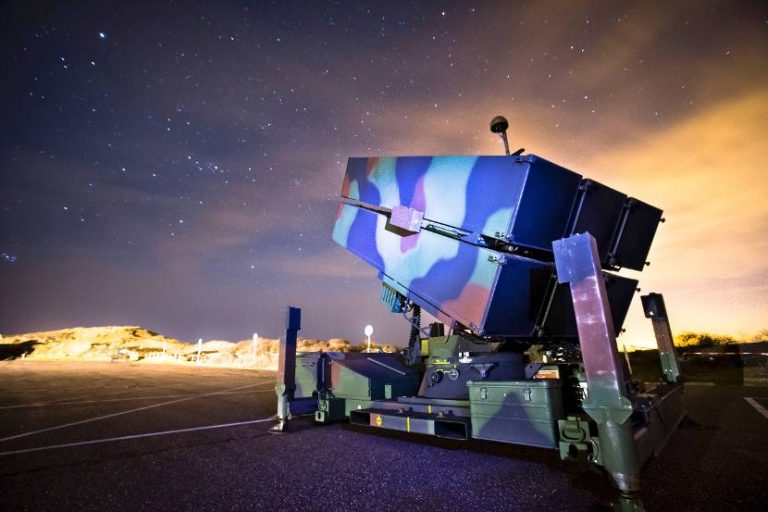
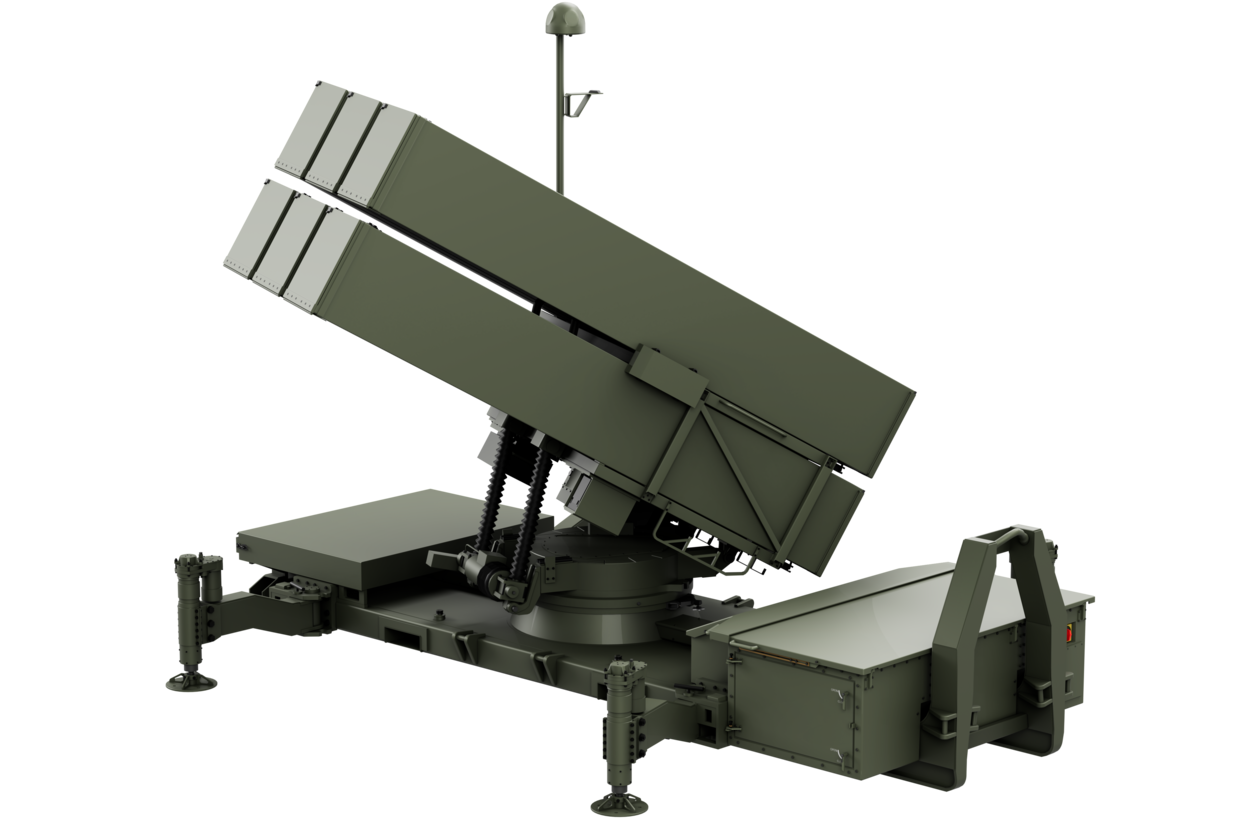
NASAMS entered Norwegian service in 1994 with a simple idea: launch proven fighter-jet missiles from the ground. Each launcher holds six missiles, typically the AIM-120 AMRAAM with a range of about 40 km, the longer-ranged AMRAAM-ER at 50 km or more, or the infrared-guided AIM-9X for short range. Targets are detected by the AN/MPQ-64F1 Sentinel radar, and Kongsberg’s Fire Distribution Center links sensors and launchers into one networked system.
The current NASAMS 3 standard adds AMRAAM-ER and AIM-9X support. NASAMS helps protect the airspace around Washington, D.C., and has been used in Ukraine since late 2022, where officials report high intercept rates against cruise missiles and drones. Operators include Norway, the US, the Netherlands, Spain, Finland, Lithuania, Hungary, Indonesia, Oman, Australia, Taiwan, Qatar, Bulgaria and Ukraine. Its reliance on widely stocked air-to-air missiles is a strong selling point for AMRAAM users.
Key Specifications
Variants
NASAMS 1 was the original Norwegian configuration fielded in 1994, firing AIM-120 AMRAAM missiles from ground launchers to defend air bases.
NASAMS 2 introduced upgraded radars and a networked fire distribution center, improving integration with NATO air defense networks.
NASAMS 3 is the current standard, adding the AMRAAM-ER and AIM-9X missiles for longer reach and short-range infrared engagements.
Operators
Norway United States
 Netherlands
 Spain
 Finland
 Lithuania
 Hungary
 Indonesia
 Oman
 Australia
 Taiwan
 Ukraine
 Qatar
 Bulgaria
Frequently Asked Questions
How much does a NASAMS system cost?
A NASAMS battery is often quoted at roughly $100–200 million before missiles. Total contract values run higher: Taiwan’s purchase of three systems was valued at about $1.16 billion including missiles, training and support.
What is the range of NASAMS?
NASAMS has a range of about 40 km with the standard AIM-120 AMRAAM and 50 km or more with the AMRAAM-ER. The AIM-9X option covers short-range engagements against agile targets close to the launcher.
Which countries use NASAMS?
NASAMS is used by Norway, the United States, the Netherlands, Spain, Finland, Lithuania, Hungary, Indonesia, Oman, Australia, Taiwan, Qatar, Bulgaria and Ukraine. In the US, it helps protect the Washington, D.C. area.
NASAMS vs Patriot: what is the difference?
NASAMS is a lighter short- to medium-range system for aircraft, drones and cruise missiles, while Patriot is a long-range system that can also intercept ballistic missiles. NASAMS is cheaper per battery and per missile, and the two are often deployed together.
How effective is NASAMS in Ukraine?
NASAMS has performed well in Ukraine, according to Ukrainian and US officials, who have reported very high intercept rates since the first systems arrived in late 2022. Detailed independent figures are not published, so exact success rates cannot be verified.
What missiles does NASAMS use?
NASAMS fires the AIM-120 AMRAAM, the extended-range AMRAAM-ER and the infrared-guided AIM-9X Sidewinder. Using air-to-air missiles lets countries share missile stocks between their fighter jets and ground-based air defense.