

Air Defense
THAAD
THAAD (Terminal High Altitude Area Defense) is a US ballistic missile defense system built by Lockheed Martin. In service since 2008, it destroys short-, medium- and intermediate-range ballistic missiles in their final phase of flight, inside and just outside the atmosphere, using hit-to-kill interceptors.
 United States|Lockheed Martin
Overview
THAAD was developed to fill the gap between lower-tier systems such as Patriot and the exo-atmospheric interceptors used by Aegis ships and Ground-Based Midcourse Defense. Its interceptor carries no explosive warhead and destroys targets by direct impact. A battery has six truck-mounted launchers with eight interceptors each, for 48 ready missiles, plus the Raytheon-built AN/TPY-2 X-band radar. The system can engage targets at around 200 km range and up to about 150 km altitude.
The United Arab Emirates carried out THAAD’s first combat intercept in 2022 against a Houthi ballistic missile. US-operated THAAD batteries deployed to Israel intercepted Houthi and Iranian missiles in 2024–2025. Saudi Arabia ordered seven batteries in a deal worth roughly $15 billion. The US battery at Seongju in South Korea triggered a diplomatic and economic dispute with China, which objected to the reach of the AN/TPY-2 radar.
Key Specifications
Variants
The standard THAAD battery combines six launchers carrying 48 interceptors with an AN/TPY-2 radar and a fire-control and communications unit.
THAAD-ER is a proposed extended-range version promoted by Lockheed Martin that would use a larger booster, but it remains a proposal rather than a funded program.
In forward-based mode, the AN/TPY-2 radar works on its own as an early-warning sensor, as at Kürecik in Türkiye, tracking ballistic missiles soon after launch and cueing other defenses.
Operators
United States UAE
 Saudi Arabia
Frequently Asked Questions
How much does THAAD cost?
A THAAD battery costs roughly $1–1.8 billion, depending on configuration and support package. Each interceptor is estimated at around $12–15 million, which makes THAAD one of the most expensive air defense systems to operate.
What is the range of THAAD?
THAAD can intercept ballistic missiles at a range of roughly 200 km and at altitudes up to about 150 km. That allows it to engage warheads both inside the atmosphere and just above it, far higher than Patriot can reach.
Which countries have THAAD?
Only three countries operate THAAD: the United States, the United Arab Emirates and Saudi Arabia. The US Army has also deployed its own batteries abroad, including in South Korea, Guam and, during 2024–2025, Israel.
THAAD vs Patriot: what is the difference?
THAAD intercepts ballistic missiles higher and farther out, at up to about 150 km altitude, while Patriot covers the lower tier against aircraft, cruise missiles and ballistic missiles closer to the target. The two are often deployed together for layered defense.
Has THAAD ever been used in combat?
Yes. THAAD’s first combat intercept took place in 2022, when the UAE shot down a Houthi ballistic missile. US-operated THAAD batteries in Israel later intercepted Houthi and Iranian missiles during 2024–2025.
Why is China against THAAD in South Korea?
China objects to the THAAD battery at Seongju mainly because, in Beijing’s view, its AN/TPY-2 radar could look deep into Chinese territory and track Chinese missiles. Seoul and Washington say the system is aimed only at North Korean threats.
Latest News on THAAD
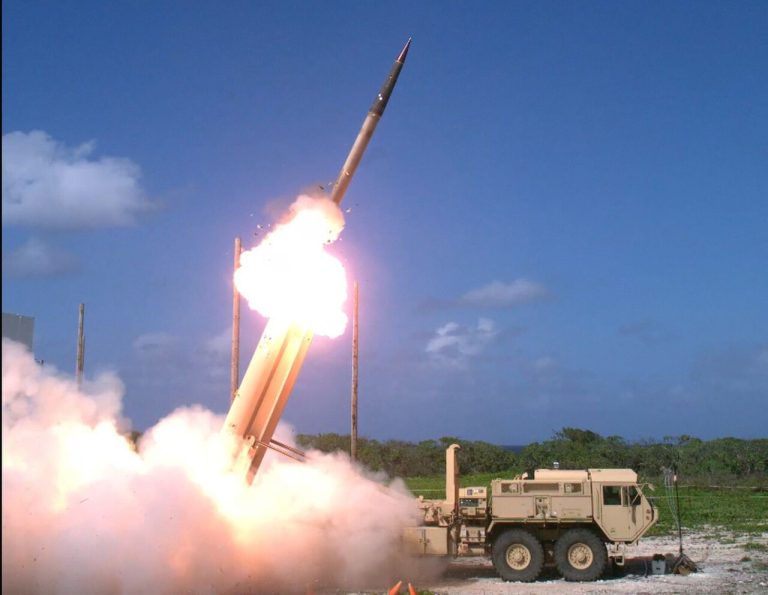 October 15, 2026THAAD vs S-500, Proven Interceptor Against Paper Promise
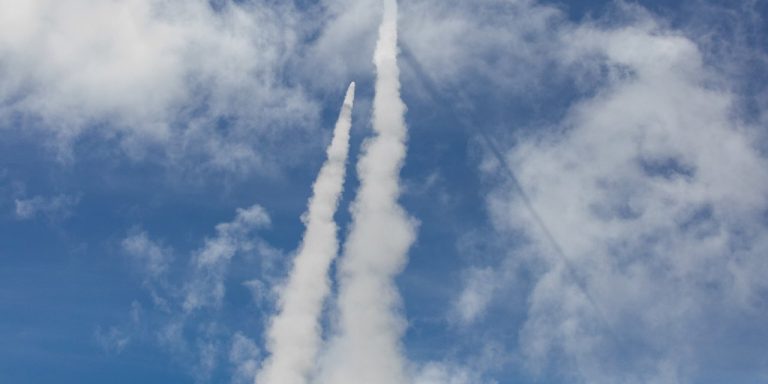 October 15, 2026US Air Defense Systems: Patriot, THAAD, Aegis and Golden Dome
 October 14, 2026Anduril Unveils Steelfin Interceptor Family to Challenge PAC-3 and THAADSeptember 30, 2026THAAD Missile Defense System Specs, Components, Cost and Operators
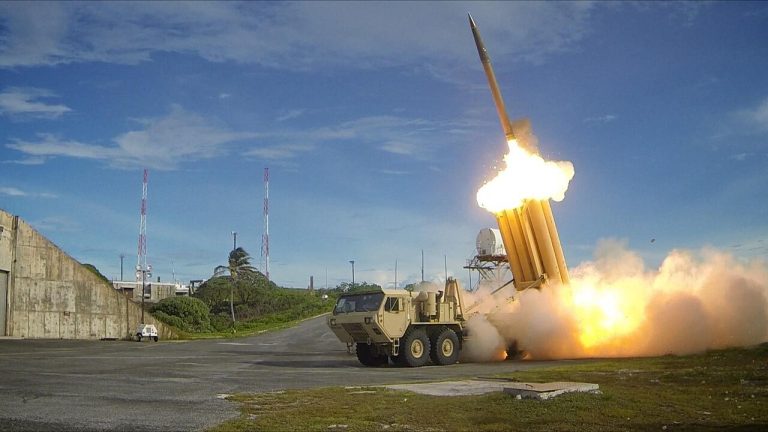 September 30, 2026L3Harris Lands $6 Billion Lockheed Contract to Quadruple THAAD Propulsion