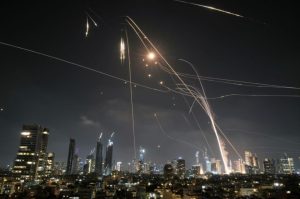

HIMARS vs Tornado-S, Precision Against the Twelve-Tube Salvo
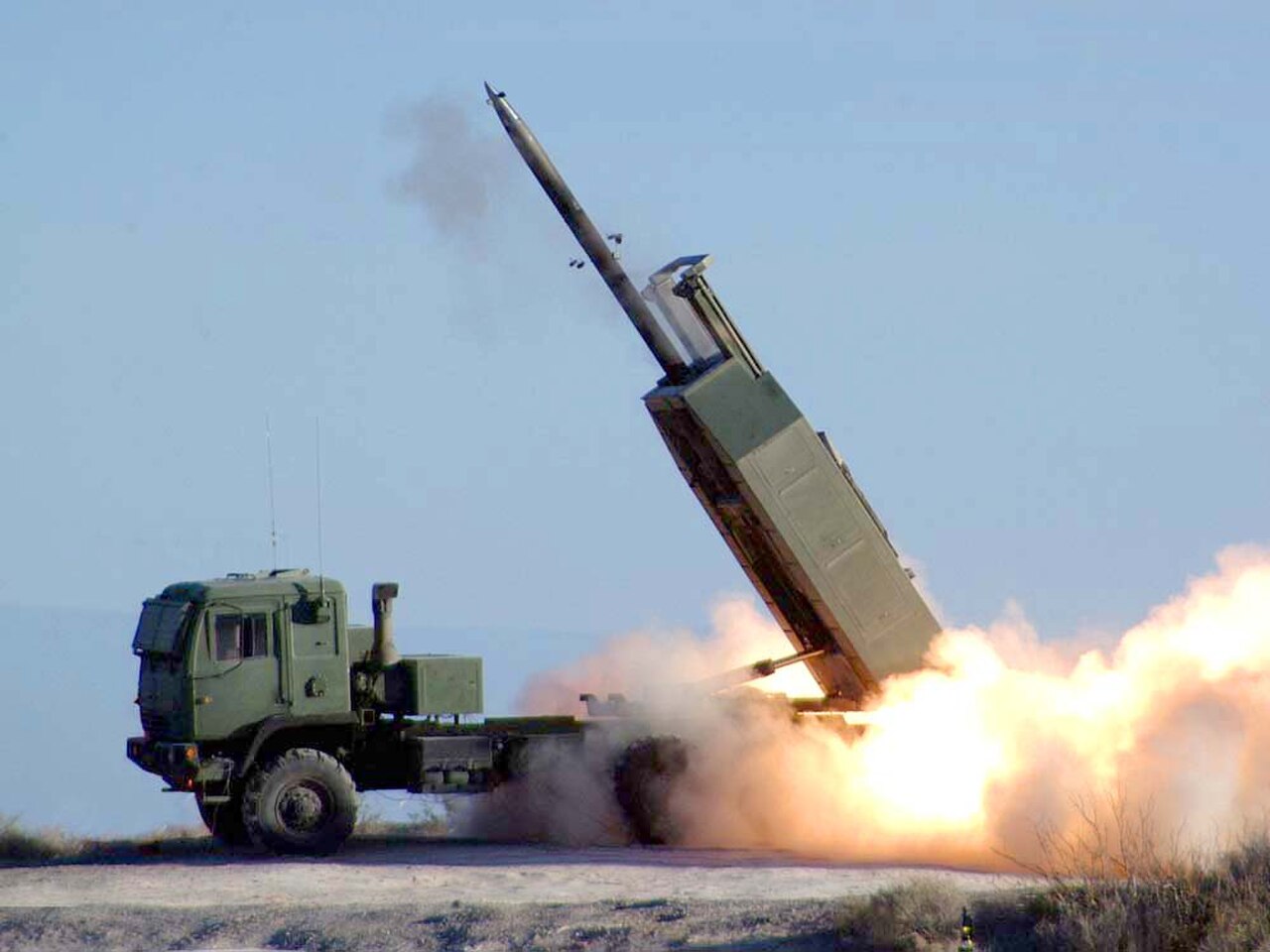
HIMARS vs Tornado-S is the defining rocket-artillery matchup of the decade, a 6-round American precision launcher against a 12-tube Russian system whose makers claim 120 kilometers of guided reach. Both have fought in Ukraine from opposite sides, and the comparison is really a contest between two philosophies, precision and mobility against salvo weight.
HIMARS vs Tornado-S specifications
| Item | M142 HIMARS (USA) | Tornado-S (Russia) |
|---|---|---|
| Role | Wheeled precision rocket/missile launcher | Modernized 300mm heavy multiple rocket launcher |
| Chassis | 5-ton 6×6 FMTV truck, armored cab | 8×8 heavy truck chassis |
| Tubes | 6 (one pod), or 1 ATACMS / 2 PrSM | 12 |
| Combat weight | About 16 tonnes | Roughly 43 tonnes |
| Rocket range | GMLRS about 80 km; GMLRS-ER about 150 km | Up to 120 km with 9M544/9M549 guided rockets (manufacturer claims) |
| Missile option | ATACMS 300 km; PrSM 500+ km | None |
| Guidance | GPS/INS-guided rockets as standard | GLONASS/INS guidance kits on newer rockets (manufacturer claims) |
| Airlift | C-130 transportable | Not air-transportable in tactical airlifters |
What each launcher fires
HIMARS is best understood as a truck that launches a family. The six-round GMLRS pod delivers roughly 90-kg-warhead rockets to about 80 km with GPS/INS precision, GMLRS-ER doubles that to around 150 km, and the same launcher swallows one ATACMS ballistic missile or two of its PrSM successors, pushing reach past 500 km. One vehicle therefore spans brigade fires to theater deep strike.
Tornado-S modernizes the Soviet BM-30 Smerch. Its twelve 300mm tubes fire heavier rockets, and the newer 9M544 and 9M549 rounds carry satellite-aided guidance to a claimed 120 km, figures that should be read as manufacturer claims from Rostec’s Splav plant rather than verified performance. The salvo philosophy differs too, where HIMARS doctrine fires few rockets per target, Tornado-S remains sized for area effects, twelve large rockets saturating a grid square, closer in spirit to the Iskander school of massed effect than to Western precision economy.
Combat record in Ukraine
HIMARS arrived in Ukraine in June 2022 and, by operator-reported accounts, spent that summer systematically removing Russian ammunition depots, command posts and bridges from the battlefield, forcing Russian logistics back beyond GMLRS range. Ukrainian crews have operator-reported high accuracy early on, degraded later as Russian GPS jamming matured, a reminder that satellite-guided weapons live in an electronic war. No HIMARS launcher loss was confirmed for over a year despite intense Russian efforts, a testament to shoot-and-scoot discipline.
Tornado-S has fired throughout the war, with Russian channels claiming long-range precision strikes on airfields and staging areas; those claims are difficult to verify independently. Ukrainian operators report cluster and guided rounds used against cities and troop concentrations, and several Tornado-S launchers have been visually confirmed destroyed by counterbattery fire and drones.
Mobility and survivability
At about 16 tonnes on a standard tactical truck, HIMARS hides among ordinary logistics traffic, fits inside a C-130, and completes a fire mission, launch to displacement, in a couple of minutes. The 43-tonne Tornado-S is a bigger, hotter target with a longer reload cycle, though its twelve-tube salvo means one exposure delivers far more explosive weight. In a drone-saturated battlefield, the smaller signature has proven the more valuable currency, the same logic that keeps lighter systems like the K9 Thunder family selling on survivability as much as firepower.
Verdict by mission profile
| Mission | Edge | Why |
|---|---|---|
| Precision deep strike | HIMARS | PrSM and ATACMS reach targets no Tornado-S rocket touches |
| Area saturation | Tornado-S | Twelve 300mm rockets per salvo out-throw one GMLRS pod |
| Counterbattery survival | HIMARS | Lighter, faster displacement, smaller signature |
| Contested logistics | HIMARS | C-130 transportable, common truck parts |
| Cost per rocket | Contested | Russian rockets likely cheaper; GMLRS buys far fewer rounds per effect |
| GPS-denied fight | Contested | Both depend on satellite-aided guidance vulnerable to jamming |
HIMARS vs Tornado-S frequently asked questions
Is Tornado-S better than HIMARS?
It throws a heavier salvo, but HIMARS wins on precision economy, survivability, airlift and the option to fire 300-500 km missiles, which Tornado-S lacks.
What is the range of Tornado-S?
Up to 120 km with the newest guided 300mm rockets, according to manufacturer claims; older unguided rockets reach about 70-90 km.
What is the range of HIMARS?
About 80 km with GMLRS, about 150 km with GMLRS-ER, 300 km with ATACMS and more than 500 km with PrSM.
How did HIMARS perform in Ukraine?
Operator-reported results in 2022 were dramatic, destroyed depots and headquarters forced Russian logistics back, though Russian GPS jamming later degraded accuracy.
Has Russia lost Tornado-S launchers?
Yes, several have been visually confirmed destroyed by Ukrainian counterbattery fire and drone strikes during the war.
- US Army and Lockheed Martin data on M142 HIMARS and munitions
- Russian state media and Rostec/Splav statements (manufacturer claims noted)
- Operator-reported and open-source battlefield documentation from Ukraine
- Wikipedia – Tornado (multiple rocket launcher) (accessed October 2026)
- Defence & Tech reporting on rocket artillery