HAVELSAN, the Software House Arming Turkey’s Platforms
HAVELSAN is Turkish defense’s software house, the state-owned company whose code runs the navy’s combat systems, the air force’s simulators and a growing family of autonomous vehicles. Founded in 1982 and 98 percent owned by the Turkish Armed Forces Foundation, the Ankara firm has ridden Turkey’s platform boom into naval AI, unmanned systems and export markets from the Gulf to Egypt.
HAVELSAN at a glance
| Item | Detail |
|---|---|
| Headquarters | Ankara, Turkey |
| Founded | 1982, originally for military radar support |
| Ownership | 98 percent Turkish Armed Forces Foundation |
| Employees | About 5,100 (2024, per workforce data) |
| Core fields | Combat management systems, simulation and training, C2 software, unmanned systems, e-government IT |
| Recent move | $143 million investment expansion announced in 2025; ADVENT-AI unveiled May 2026 |
ADVENT, the navy’s operating system
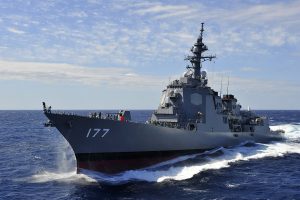
HAVELSAN’s flagship is ADVENT, the network-centric combat management system running on Turkish frigates, corvettes and the TCG Anadolu. It fuses sensors and weapons across a task group, and its May 2026 ADVENT-AI update added machine-learning target classification and tactical-picture generation. Every MILGEM export, Pakistan’s and Ukraine’s ships included, carries HAVELSAN code, making the company a silent passenger on Turkey’s warship deals.
Simulators, the legacy business
The company built its name on flight and mission simulators, from CN235 trainers to F-16 and helicopter systems, and remains Turkey’s simulation prime, selling training centers abroad. Simulation revenue is steady, certification-heavy and sticky: a customer who trains on your devices for twenty years keeps calling.
The unmanned family, Baha to Barkan
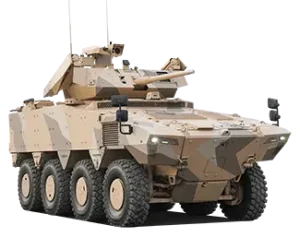
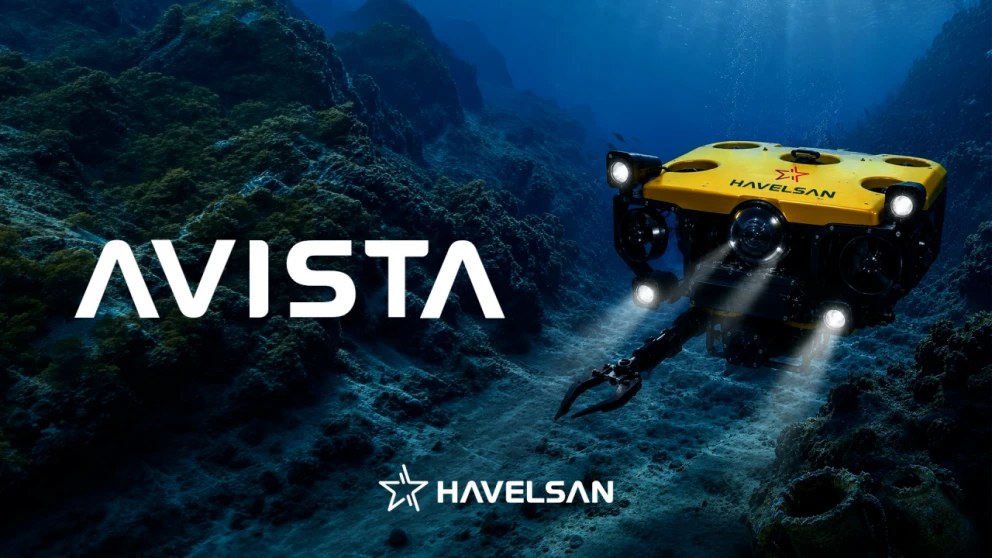
HAVELSAN’s newer bet is the ‘digital troops’ concept: Baha and Bulut aerial drones, the Barkan unmanned ground vehicle line and the Sancar unmanned surface vessel, tied together by its own autonomy software rather than competing on airframes with Baykar or TUSAS. The wager is that swarming logic and human-machine teaming software will matter more than any single vehicle, a thesis the drone market’s evolution increasingly supports. The firm also pushed into underwater sensing with the self-funded AVISTA project covered on this site.
From radar depot to software prime, the arc
HAVELSAN’s history explains its shape. Established in 1982 as Havelsan-Aydin to maintain air force radars, it became a foundation-owned national company in 1985 and spent its first decades on unglamorous sustainment and simulation work while ASELSAN took the hardware headlines. The turn came with Turkey’s naval buildup: winning the combat-management software for the MILGEM corvettes in the 2000s gave HAVELSAN a product with a growing fleet attached, and each new hull, Turkish or exported, extended the installed base. Today ADVENT’s roadmap, not simulator sales, is what the company’s leadership presents first.
The e-government second engine
Uniquely among Turkish defense firms, HAVELSAN runs a large civilian IT business: national judiciary and population-registry systems, hospital information networks and e-government platforms. The civil work smooths defense’s lumpy cash flows and trains a software workforce at scale, which is the company’s real constraint and asset at once. Competition for Turkish engineers against banks, startups and emigration is fierce, and the 2025 investment program is aimed as much at retaining that workforce as at new facilities.
ADVENT goes to sea abroad
The export dimension of ADVENT deserves its own line: Pakistan’s MILGEM-class Babur ships and the Ukrainian Navy’s Ada-class hulls sail with HAVELSAN combat systems, meaning the company’s software is already operating in two navies beyond Turkey’s, one of them at war. Each installation compounds: training pipelines, upgrade contracts and munition-integration work follow the code aboard, the exact annuity model Western CMS vendors like Lockheed’s Aegis franchise, profiled in our Aegis explainer, built their naval businesses on.
Exports and the road ahead
Recent export traction includes the Hamza-1 VTOL drone agreement with Egypt’s AOI, simulator sales across the Gulf and Central Asia, and ADVENT riding naval exports. The open question is scale: at about 5,100 people HAVELSAN is mid-sized for ambitions spanning AI, autonomy and national IT infrastructure, and the 2025 investment program is the answer the foundation ownership has chosen, growth over dividends.
Frequently asked questions
What does HAVELSAN do?
Defense software: the ADVENT naval combat system, military simulators, command-control software, unmanned vehicles and large e-government IT projects.
Who owns HAVELSAN?
The Turkish Armed Forces Foundation holds 98 percent; it is a state-ecosystem company like ASELSAN and Roketsan.
What is ADVENT?
HAVELSAN’s combat management system for the Turkish Navy and MILGEM export ships, updated in 2026 with AI-assisted target classification.
How many people work at HAVELSAN?
About 5,100 as of 2024 per workforce data, up sharply through the decade.
Does HAVELSAN export?
Yes: simulators, ADVENT aboard exported warships, and drones, including the 2026 Hamza-1 deal with Egypt’s AOI.
- Wikipedia – HAVELSAN and public company materials
- Workforce data reporting (2024)
- Defence & Tech coverage of AVISTA and the Egypt drone agreement