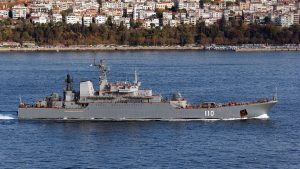

Consecutive Explosion Sounds in Iran

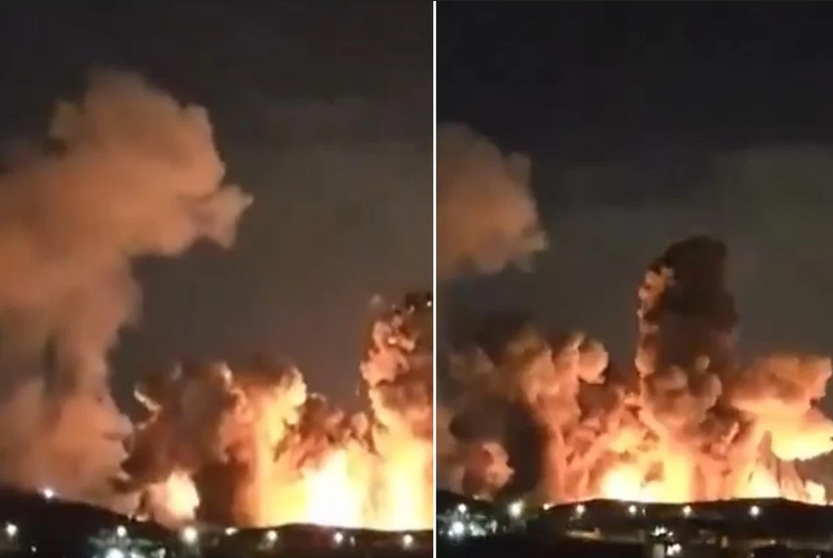
The U.S. Central Command (CENTCOM) has officially announced the commencement of direct airstrikes against Iranian territory. Characterized as a “strong response” to recent Iranian maneuvers targeting American forces stationed in the Middle East, the operational announcement was immediately followed by reports of widespread explosions echoing across various Iranian regions, including Ahvaz, Abadan, Qeshm Island, Bandar Abbas, Bushehr, and Sirik.
Tensions in the Middle East have reached a boiling point as the United States transitions to direct military action against Iran. CENTCOM formally declared the initiation of offensive operations, explicitly stating that the airstrikes are a decisive retaliation against Iran’s aggressive posture towards U.S. military personnel in the region. Shortly after the declaration, shockwaves were felt across Iran as successive blasts were reported in multiple strategic locations.
CENTCOM: Delivering a “Strong Response”
In an official statement released via the X platform, CENTCOM confirmed that U.S. forces initiated the aerial bombardment at 20:00 Eastern Standard Time (EST). The command emphasized the retaliatory nature of the mission: “U.S. forces commenced airstrikes against Iran today at 20:00 EST. These strikes represent a strong response to Iran’s attempts yesterday targeting U.S. forces in the Middle East.”
Operational Details Remain Classified
While the initiation of the strikes was publicly broadcast, CENTCOM officials have maintained strict operational security regarding the specific targets and the scale of the bombardment. U.S. defense officials reiterated that the primary objective of the campaign is defensive in nature—aimed at degrading Iran’s offensive capabilities, neutralizing immediate threats to American troops, and restoring regional deterrence. The Pentagon has also signaled that U.S. forces remain on high alert and are fully prepared to intercept any potential Iranian counter-retaliation.
Widespread Blasts Across Iranian Provinces
Following the U.S. announcement, Iranian media outlets rapidly began reporting successive detonations across the country. According to the Iranian state news agency IRNA, a security official in the Khuzestan province confirmed that the missile strikes targeted vicinities around the cities of Ahvaz, Abadan, Shadegan, and Arvandkenar.
Valiollah Hayati, the Deputy Governor of Khuzestan for Security and Law Enforcement Affairs, stated that provincial authorities are currently assessing the scope of the strikes and that official damage reports will be released through authorized channels once the situation is stabilized.
Coastal and Island Targets: Abadan to Qeshm
The strikes appear to have heavily targeted Iran’s strategic southern coastal and maritime infrastructure. Iranian state television (IRIB) cited a security official confirming that specific locations within the refinery city of Abadan were hit by U.S. munitions. The official refrained from providing immediate casualty figures or detailed damage assessments.
Further south, the Tasnim News Agency, which is affiliated with the Islamic Revolutionary Guard Corps (IRGC), reported hearing three distinct explosions on the strategically vital Qeshm Island in the Strait of Hormuz. Corroborating the widespread nature of the attack, reports sourced by Axios from a U.S. official indicated that in addition to Qeshm Island, violent explosions also rocked the coastal cities of Bandar Abbas, Bushehr, and Sirik.
The exact nature of the targets—whether they be air defense batteries, naval facilities, or missile launch sites—remains unclear as the smoke begins to clear over the Persian Gulf.