

The Nuclear Threat is Growing: A Survival Guide Against a Potential Leak and Attack


 React
React
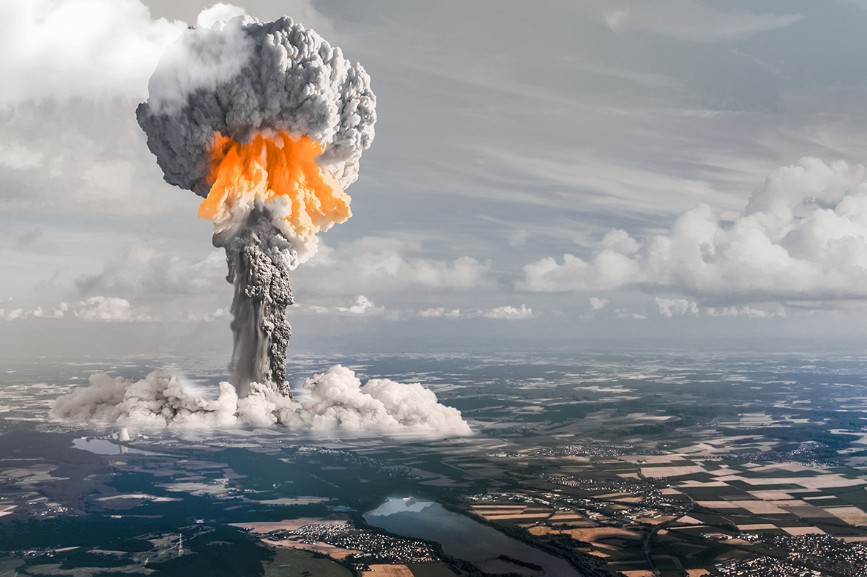
ANKARA — The risk of Europe’s largest nuclear facility, Zaporizhzhia, coming under fire in the Russia-Ukraine war and the threat of strategic facilities being targeted in the Middle East have brought the world face to face with an invisible danger: the threat of a nuclear leak and radiation (fallout).
Although a nuclear bomb explosion and an attack on a nuclear power plant (resulting in a leak) have different dynamics, the greatest danger for the civilian population remains the same: Radioactive Fallout. So, how are governments taking precautions against these invisible clouds of death, and how can individuals survive in their homes?
Europe’s Civil Defense Panic: Bunker Strategies
Increasing geopolitical risks are forcing European countries to return to Cold War-era civil defense doctrines.
-
The Swiss Model (Full Capacity): Switzerland is the only country in the world with the capacity to shelter 100% of its population in the event of a nuclear attack. According to national laws, every building or neighborhood must have underground shelters (bunkers) equipped with ventilation and radiation filtration systems. Over 300,000 shelters nationwide are capable of protecting the entire population of 8.6 million.
-
Germany’s Awakening: Germany has decided to revive the shelter systems it abandoned after the Cold War. The government has officially called on its citizens to “stockpile for emergencies.” Because current shelters only cover 3% of the population, there are plans to rapidly reinforce basements and underground parking garages.
What to Do in the Event of a Leak? “Get Inside, Stay Inside, Stay Tuned”
If a nuclear plant in your region is attacked or a radioactive leak alarm is sounded, there are three golden rules established by international civil defense agencies (FEMA, IAEA):
1. Quickly Get Inside a Closed Area: Radioactive materials are carried by the wind like dust and sand particles. If you are outside, immediately enter a sturdy building (preferably concrete or underground, with as few windows as possible). Vehicles do not provide protection against radiation. If you were exposed to radiation outside, take off your clothes and bag them as you enter the building, and take a shower with plenty of soapy water (do not use hair conditioner, as it binds radiation to your hair).
2. Stay Inside and Ensure Insulation: Move to the innermost, underground, or windowless room (the core room) of the building. Close all doors and windows. Most importantly, immediately turn off air conditioners, ventilation, heaters, and all systems that draw air from the outside. Seal the edges of windows and doors airtight using heavy-duty duct tape and wet towels.
3. Stay Connected: Internet and mobile networks may collapse due to cyberattacks or heavy traffic. Wait for “evacuate” or “all clear” announcements from official authorities using a battery-powered or hand-crank radio. Never go outside until an official order is given; the first 24 hours of a leak are when outside radiation levels are at their most lethal.
What Should Be in a Nuclear Emergency Kit?
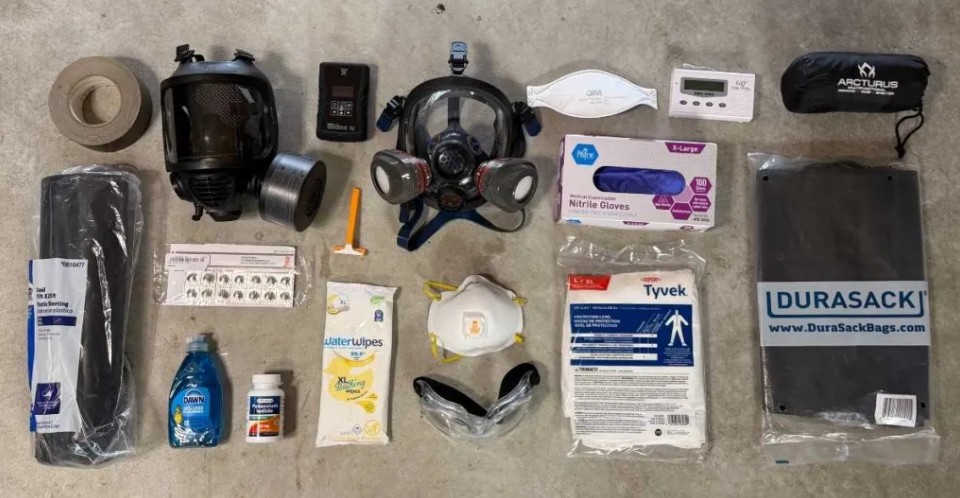
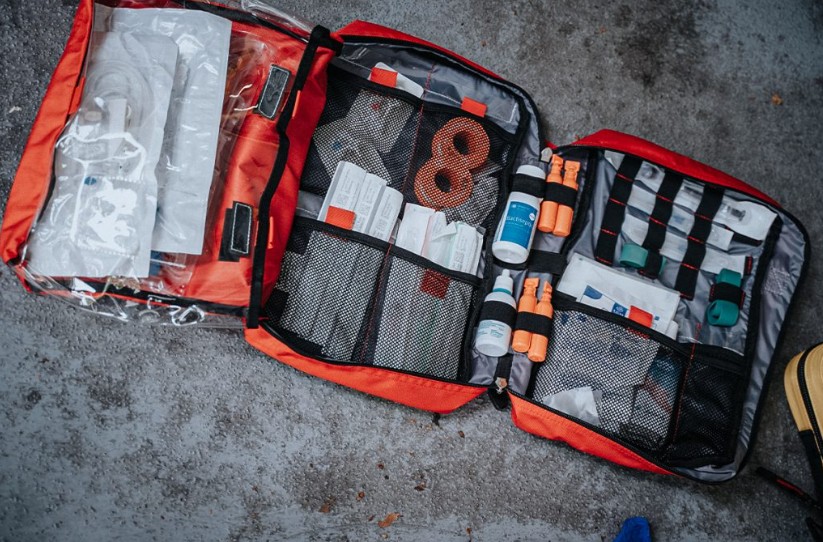
Rushing to the markets during a crisis is impossible and deadly. A “Survival Kit” (Bug-out bag) should be kept in an accessible location in every home:
-
Clean Water: This is the most critical item. Radioactive fallout can contaminate the municipal water supply. Keep at least a 3-day supply of bottled water, with a minimum of 3 liters per person per day.
-
Non-Perishable Food: At least a 3-day supply of food that does not require cooking or refrigeration (canned goods, energy bars, dried nuts).
-
Communication and Light: A battery-powered radio, a flashlight, and plenty of spare batteries.
-
Medical Supplies: A comprehensive first aid kit and any regularly used prescription medications.
-
Respiratory Protection: N95, FFP3, or higher-grade half-face gas masks to prevent inhaling radioactive particles outside. (Basic surgical masks are useless).
-
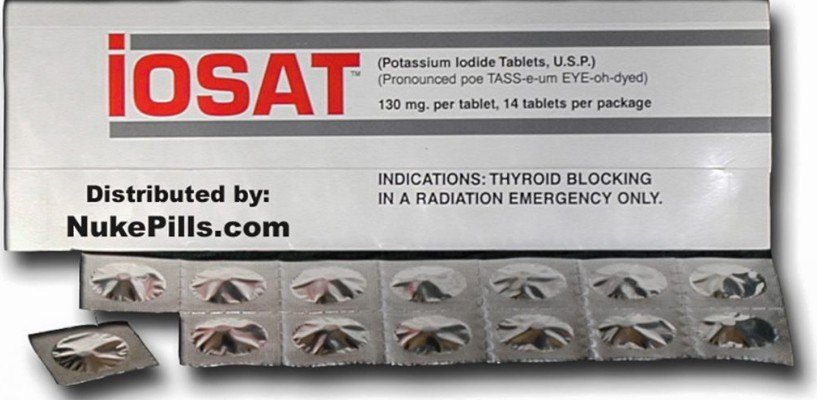
Potassium Iodide (KI) Tablets: These pills prevent thyroid cancer by protecting the thyroid gland from radioactive iodine. However, a very important warning: These pills are not a “shield” against all radiation and should only be taken in the specified dose when announced by authorities. Improper use leads to serious health issues.
-
Hygiene and Insulation: Trash bags, wet wipes, heavy-duty duct tape (for sealing windows and doors), and plastic sheeting.
A nuclear leak or attack is the greatest catastrophe humanity could face. However, accurate information, a pre-made insulation plan, and a ready emergency kit dramatically increase the chances of survival. Preparation, not panic, saves lives.
React