
Tensions Boil Over: US Pulls 5,000 Troops from Germany in Historic Transatlantic Rift
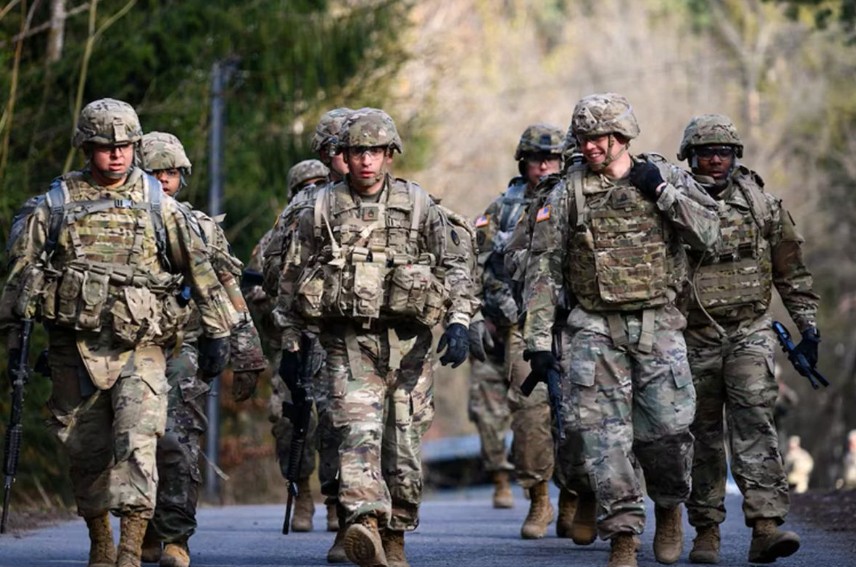
WASHINGTON / BERLIN — A historic diplomatic crisis has erupted between Washington and Berlin, threatening to tear the fabric of the Transatlantic security architecture. In a swift and severe punitive measure, the Trump administration has officially ordered the Pentagon to withdraw 5,000 American troops currently stationed in Germany.
The sudden force reduction comes directly on the heels of German Chancellor Friedrich Merz’s scathing public critique of U.S. foreign policy, wherein he accused President Donald Trump of entering the ongoing Iran war “without a strategy” and allowing the United States to be “humiliated” by Tehran.
Washington’s response was immediate and calculated, sending a chilling message to NATO allies: the American security umbrella is now strictly conditional.
The Anatomy of a Retaliation
For decades, the presence of U.S. forces in Germany has been the bedrock of European defense and a primary deterrent against Eastern aggression. However, the Trump administration has consistently viewed the alliance through a transactional lens.
Pentagon sources indicate that the 5,000 personnel slated for withdrawal will be drawn from critical logistical hubs and armored combat brigade teams, likely heavily impacting major installations such as Ramstein Air Base and USAG Bavaria. While the White House has framed the move as a “strategic realignment of forces” necessary to bolster the escalating conflict in the Middle East, defense analysts universally recognize it as a direct political retaliation against Chancellor Merz.
By pulling troops in response to diplomatic criticism, Washington has established a new, highly volatile precedent: public dissent from an allied nation will be met with an immediate reduction in military protection.
A Strategic Void in Europe
The timing of this withdrawal could not be more precarious for European security. As the Ukraine-Russia war continues to rage on NATO’s eastern flank, the sudden removal of 5,000 highly trained U.S. personnel creates an undeniable strategic and logistical void.
Germany serves not only as a base for troops but as the central nervous system for U.S. military logistics, medical evacuation, and command-and-control operations across Europe and Africa. Degrading this footprint actively weakens NATO’s conventional deterrence posture at a time when Moscow is aggressively testing the alliance’s resolve.
The Death of the Traditional Alliance?
The escalating tensions on the Germany-U.S. line represent a fundamental shift in global geopolitics. Chancellor Merz’s remarks exposed a deep European anxiety over Washington’s unpredictable leadership and its handling of the Iran crisis. In turn, Trump’s troop withdrawal confirms Europe’s greatest fear: they can no longer rely on the United States as an unconditional guarantor of their security.
As the Pentagon scrambles to execute the logistics of the withdrawal, adversaries in both Moscow and Tehran are closely monitoring the fallout. A fractured NATO—divided by internal political feuds and a receding American presence—presents a prime opportunity for rival powers to exploit the shifting global order.
DefenseAndTech will continue to monitor the Pentagon’s deployment timelines and the ongoing diplomatic fallout in Berlin.