
US Defense News: The Top 5 Strategic Developments Shaping the Pentagon


 React
React
WASHINGTON — The landscape of American military strategy is undergoing a rapid and monumental shift. Driven by escalating regional conflicts and the relentless pace of technological competition, the Pentagon is simultaneously preparing for immediate kinetic warfare while restructuring its future forces.
For defense analysts, industry leaders, and geopolitical observers, here are the top five most critical developments currently dominating US Defense News.
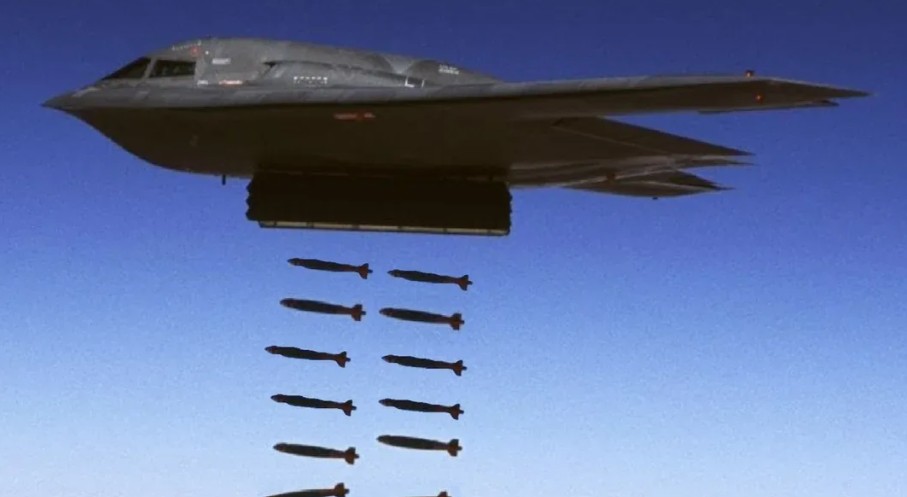
1. The Historic $1.5 Trillion FY27 Budget Request The Department of Defense has unveiled a staggering $1.5 trillion budget proposal for fiscal 2027, marking the most expensive military outlay in modern American history. This 42% year-over-year increase signals a massive pivot toward both homeland defense and great power competition. The cornerstone of this budget is the “Golden Dome”—a proposed multi-layered, highly advanced defensive shield designed to safeguard the American homeland. Furthermore, the framework includes a massive $65 billion allocation for shipbuilding (the largest since 1962) to construct an expanded “Golden Fleet,” alongside tens of billions earmarked for autonomous drones, contested logistics, and AI infrastructure.
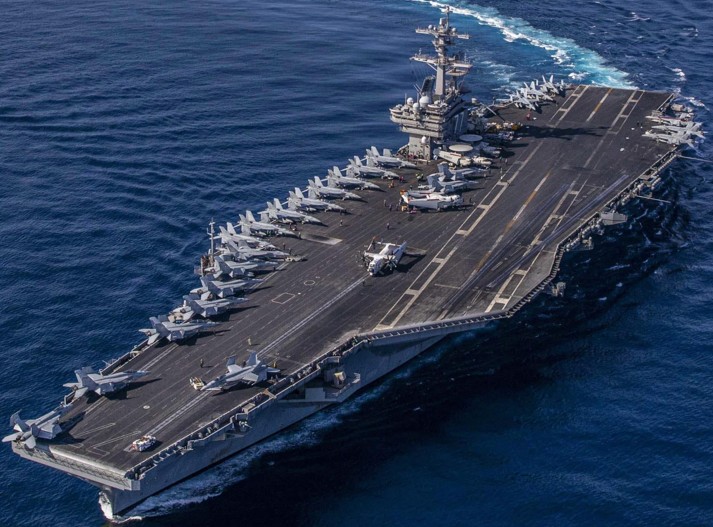
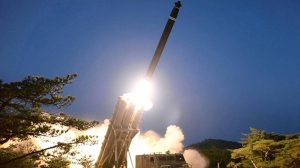
2. Operation Epic Fury: Ground Preparations and the 3-Carrier Armada In the Middle East, the operational tempo has reached levels not seen since 2003. The US military has officially assembled a trio of aircraft carriers—the USS George H.W. Bush, USS Abraham Lincoln, and USS Gerald R. Ford—within the CENTCOM area of responsibility. Amid ongoing kinetic exchanges in what is being termed Operation Epic Fury, the Pentagon is reportedly drawing up contingency plans for weeks of sustained ground operations. Elements of the 82nd Airborne Division’s rapid-response force have been alerted, and US commanders have declared their intent to globally intercept any vessels providing material support to Iranian forces.
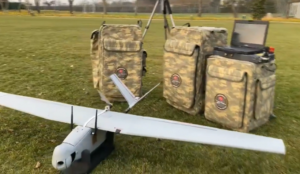
3. The Autonomous Shift: DARPA Drones and 100,000 AI Agents The integration of Artificial Intelligence into the US military is moving from the laboratory to the battlefield at breakneck speed. The Pentagon has launched an initiative utilizing the internal “GenAI.mil” platform to generate up to 100,000 AI agents to optimize everything from data-driven logistics to tactical planning. Simultaneously, defense agencies are pushing hard into uncrewed domains. DARPA has issued new solicitations for autonomous underwater drones, while the Army is actively testing unmanned ground vehicles designed to supply and fight in the “last tactical mile,” reflecting lessons learned from drone saturation in Eastern Europe.
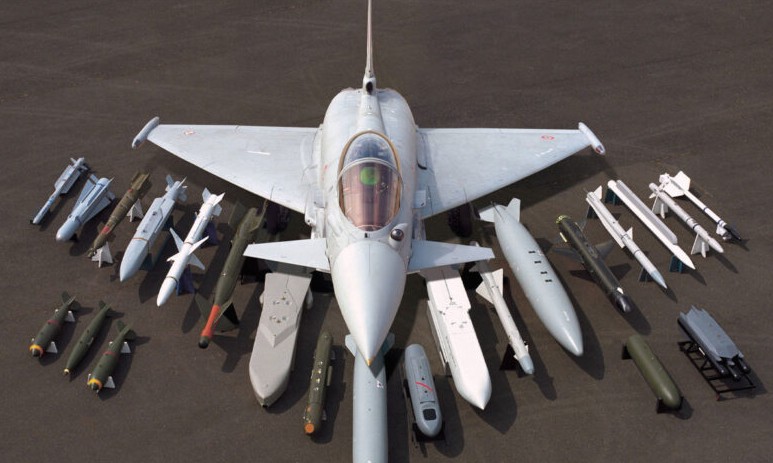
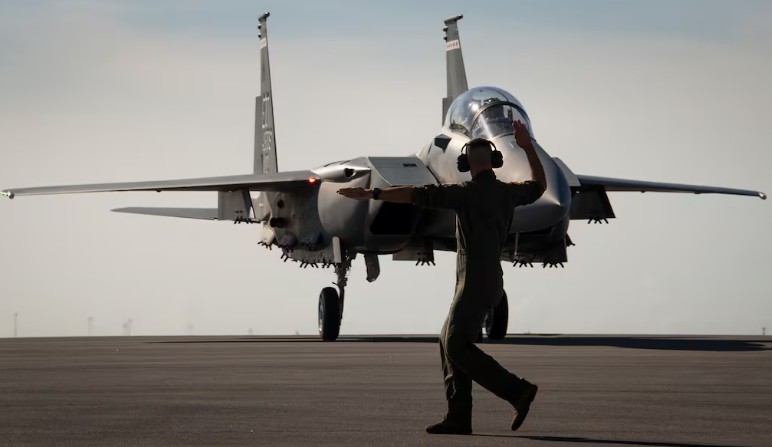
4. Air Force Tactical Pivot: Doubling the F-15EX Fleet In a major shift regarding its future aerial dominance strategy, the US Air Force plans to heavily bolster its 4.5-generation capabilities by doubling its inventory of F-15EX Eagle II aircraft to 267 units. This indicates a pragmatic approach to securing reliable, heavy-payload missile trucks that can seamlessly integrate with 5th-generation stealth fighters like the F-35. Concurrently, the Air Force is pivoting its aerial refueling strategy, redirecting Next-Generation Air-Refueling System (NGAS) funds to prioritize advanced mission systems over the development of entirely new stealth tanker airframes.
5. Space Force Overhauls Interceptors and GPS Architecture The ultimate high ground is seeing a massive acquisition shakeup. The US Space Force has tasked a dozen aerospace companies to begin developing space-based interceptors, directly supporting the Pentagon’s new “Golden Dome” architecture. Meanwhile, demonstrating a ruthless approach to modernization, the Space Force recently canceled a major legacy contract for the next-generation ground segment of its GPS satellites. This move underscores a broader Pentagon mandate: shifting away from vulnerable, monolithic legacy systems toward highly distributed, resilient, and agile space architectures capable of surviving orbital warfare.
React