

The Invisible Front: How Electronic Warfare and AI are Redefining the Ukraine-Russia War


 React
React
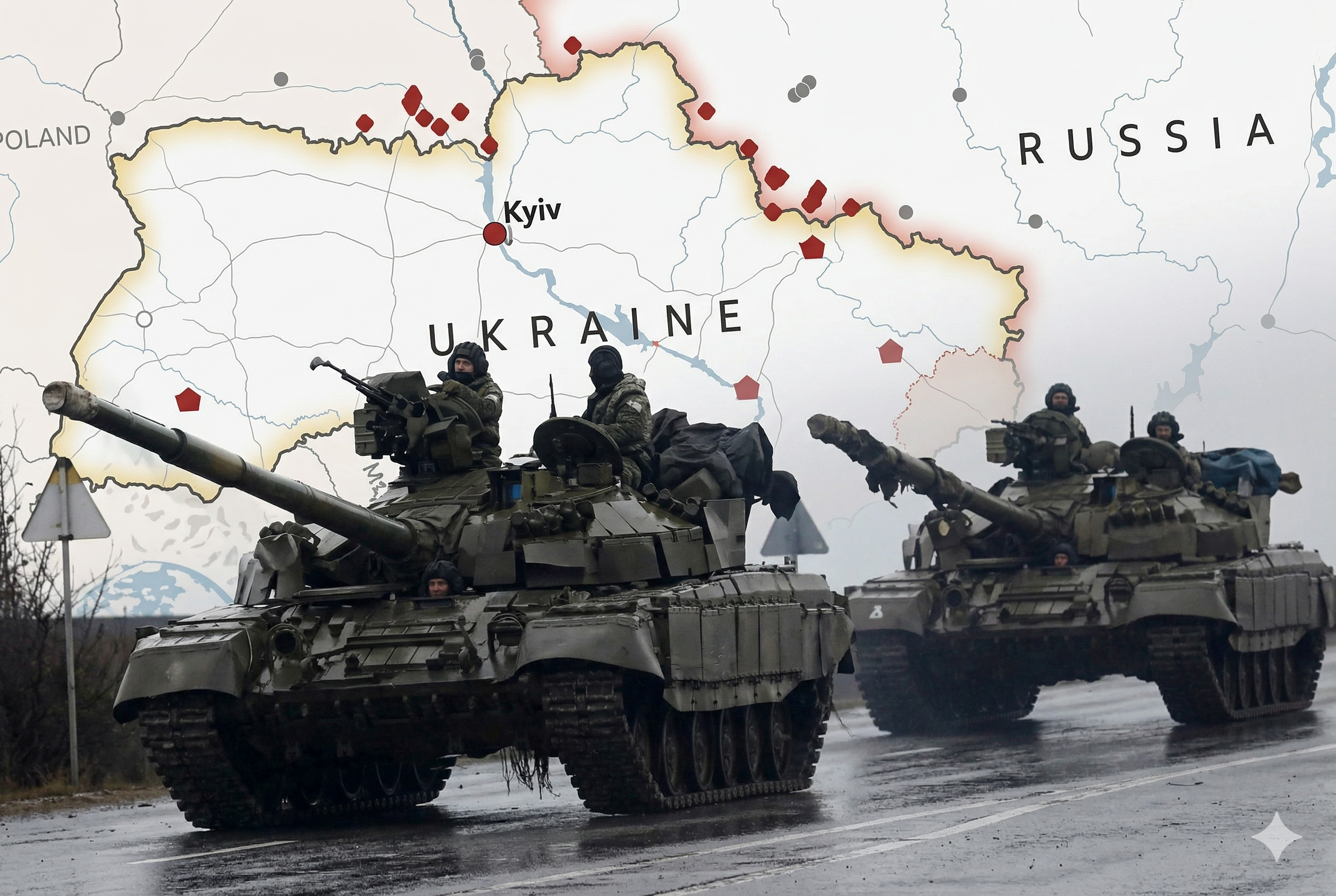
While global attention often fixates on the shifting lines of territorial control and the delivery of heavy Western armor, the most critical developments in the ongoing Ukraine-Russia war are happening in a realm that cannot be seen by the naked eye.
The conflict has fundamentally transitioned from a traditional war of artillery attrition into the most advanced, high-stakes testing ground for military technology in human history. To understand the current state of the battlefield, defense analysts must look beyond the kinetic strikes and focus on the “Invisible Front”: Electronic Warfare (EW) and Artificial Intelligence.
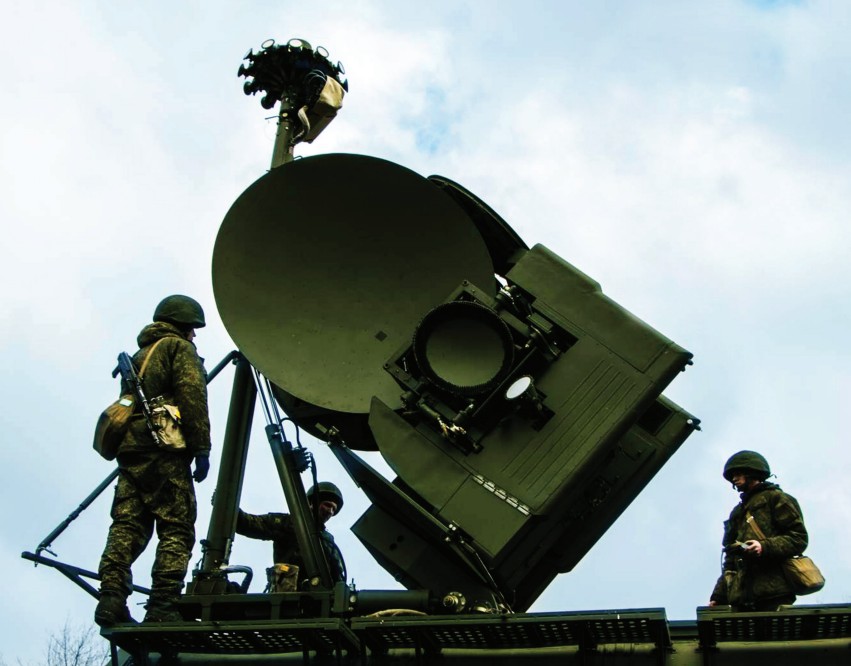
1. The Electromagnetic Dome: Russia’s EW Dominance In the earlier phases of the war, Ukrainian forces relied heavily on commercial and militarized drones utilizing GPS and Starlink satellite communications for precise artillery spotting and First-Person View (FPV) kamikaze strikes.
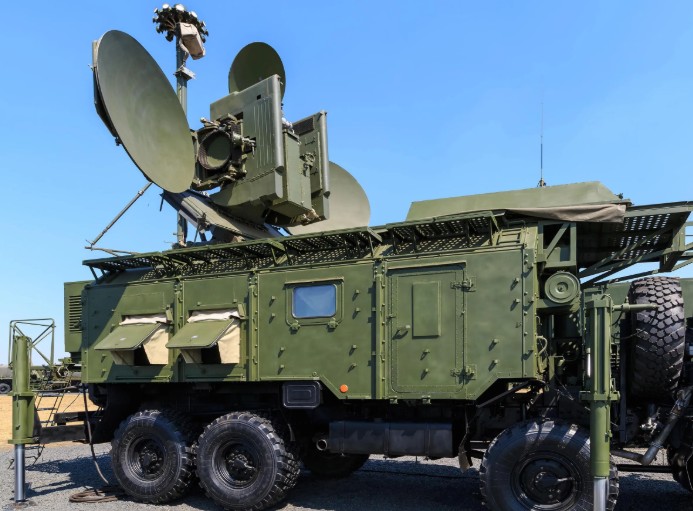
Today, that airspace is highly contested. The Russian military has deployed a massive, dense network of Electronic Warfare systems (such as the Zhitel, Pole-21, and Krasukha-4) across the frontline. These systems create invisible “domes” of electromagnetic interference. When a standard GPS-guided drone or a precision-guided munition (like an Excalibur artillery shell) enters this radius, its navigation signals are spoofed or completely jammed. The drone loses its connection to the operator and crashes, or the artillery shell misses its target by hundreds of meters.
This EW saturation has turned the airspace into a dead zone, forcing both sides into a relentless game of technological cat-and-mouse.
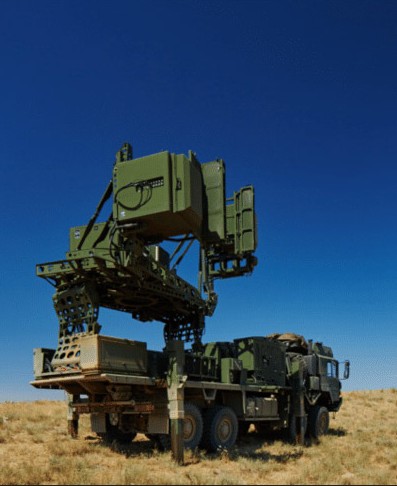
2. The Countermeasure: AI and Optical Navigation Necessity is the mother of invention, and the Ukrainian defense tech sector has responded to the Russian EW threat by removing the pilot and the GPS entirely.
The latest critical development on the battlefield is the introduction of AI-driven autonomous terminal guidance. Instead of relying on vulnerable radio frequencies or satellite uplinks, these next-generation drones are equipped with onboard machine-vision algorithms and optical sensors.
How it works: The drone is flown manually to the edge of the EW jamming zone. Once the operator identifies the target (a tank, a radar dish, or a trench line), they “lock on” using the drone’s camera. If the Russian EW system severs the connection between the operator and the drone, the onboard AI takes over. Using optical terrain mapping and shape recognition, the drone autonomously navigates the final mile and strikes the target with pinpoint accuracy, entirely immune to electronic jamming.
3. The Strategic Implications for Global Defense This rapid cycle of innovation—jamming, bypassing the jam, and jamming again—is rendering traditional military doctrines obsolete.
For Western military observers, the current state of the Ukraine-Russia war is providing a terrifying but invaluable lesson. Massive, expensive platforms like fighter jets and legacy tanks are increasingly vulnerable to swarms of cheap, AI-enabled drones operating in heavily jammed environments. The conflict is proving that future wars will not just be won by the side with the most ammunition, but by the side whose software engineers can push code updates to the frontline the fastest.
The frontline may appear static on a traditional map, but in the electromagnetic spectrum, the war is moving at the speed of light.
React