
S-400 vs. Patriot: A 2026 Performance and Cost Analysis
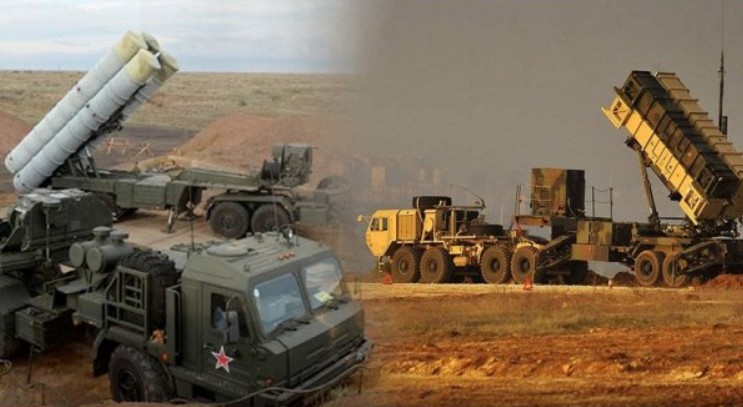
STRATEGIC SYSTEMS REPORT – In the modern era of multi-domain warfare, a nation’s sovereignty is often defined by the strength of its air defense shield. As of 2026, the global market for long-range Surface-to-Air Missile (SAM) systems remains dominated by two legendary platforms: the Russian S-400 Triumph and the American MIM-104 Patriot.
While both systems are designed to deny the enemy use of the skies, they were born from different tactical requirements. This analysis breaks down the performance metrics and the massive economic investments required to field these “Golden Shields.”
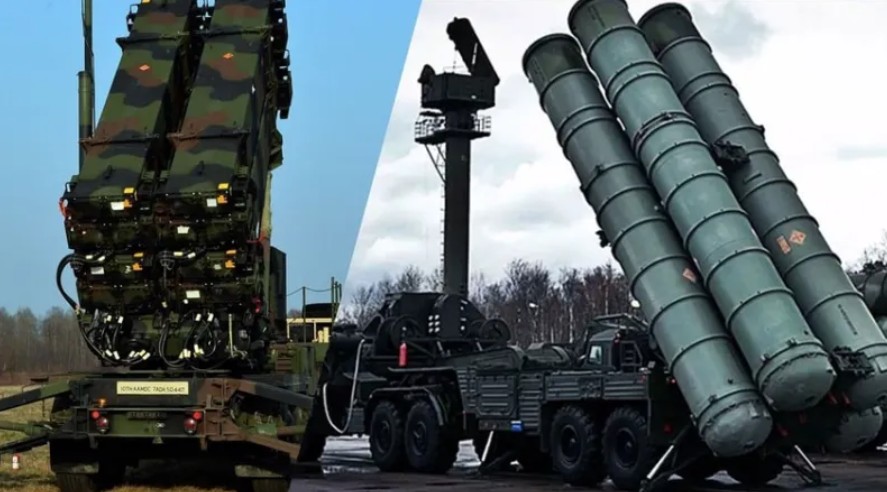
1. Technical Performance: Area Denial vs. Precision Interception
The S-400 is built for “Wide-Area Denial.” It is designed to create a massive bubble of protection against a variety of threats simultaneously. In contrast, the Patriot (specifically the PAC-3 MSE) is a “Precision Interceptor,” optimized for the high-stakes task of destroying incoming ballistic missiles.
| Feature | S-400 Triumph (Russia) | MIM-104 Patriot PAC-3 MSE (USA) |
| Max Engagement Range | Up to $400$ km | Approx. $160$ km ($60$ km for Ballistic) |
| Max Altitude | $30$ km | $35$ km+ |
| Target Types | Aircraft, Cruise Missiles, Ballistic, Stealth | Specialized in Ballistic & Cruise Missiles |
| Radar Type | Multi-function X/L/S Band (Anti-Stealth) | AN/MPQ-65 (C-Band) or GhostEye (LTAMDS) |
| Engagement Philosophy | “Saturation Defense” (Multi-layered) | “Hit-to-Kill” (Kinetic Precision) |
The S-400 Advantage: Its ability to utilize four different types of missiles allows it to engage targets at various ranges, from short-range defense to very long-range area denial. Its VHF/UHF radar components are specifically marketed as being capable of detecting stealth assets like the F-35.
The Patriot Advantage: The PAC-3 MSE utilizes “Hit-to-Kill” technology, meaning the interceptor physically destroys the incoming warhead through kinetic energy rather than a fragmentation blast. This is significantly more effective against modern, high-speed ballistic threats.
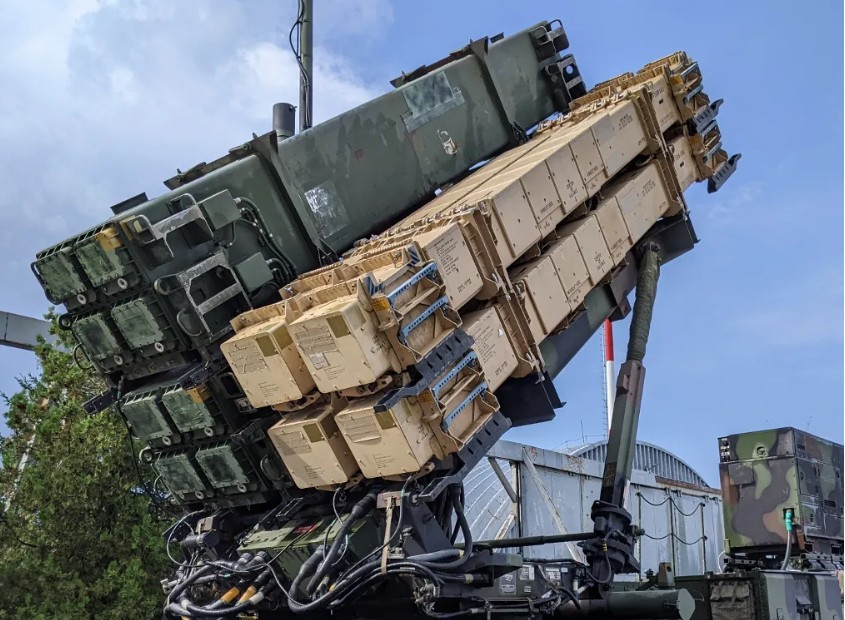
2. The Economic Burden: Cost Analysis
Modern air defense is arguably the most expensive sector of conventional military spending. The cost is not just in the “battery” (the launchers and radars), but in the “expendables”—the missiles themselves.
The Battery Cost: A typical Patriot battery (consisting of a radar, control station, and $6$–$8$ launchers) costs approximately $1.1$ billion to $1.3$ billion. An S-400 system (including several battalions and command units) is often sold for roughly $500$ million to $600$ million per battalion, though political factors often influence the final export price.
Cost Per Interceptor: * Patriot PAC-3 MSE: Each missile costs roughly $4$ million to $5$ million.
S-400 (40N6E): Estimated at $2.5$ million to $3.5$ million per missile.
Strategic Insight: The “cost-per-kill” ratio has become a major talking point in defense news. In a prolonged war of attrition, the high cost of Patriot interceptors can become a financial vulnerability if the enemy utilizes low-cost drone swarms or mass-produced cruise missiles.
3. Integration and Interoperability
One of the most critical, yet often overlooked, factors is Networking.
Patriot: Seamlessly integrates into NATO’s Integrated Air and Missile Defense (IAMD). It shares data with F-35s, AWACS, and Aegis-equipped destroyers. It is part of a global, digital ecosystem.
S-400: Generally operates as a “Stand-Alone” or “Sovereign” system. While powerful, it cannot be easily integrated into Western networks, as seen in the geopolitical fallout involving Türkiye’s acquisition of the system.
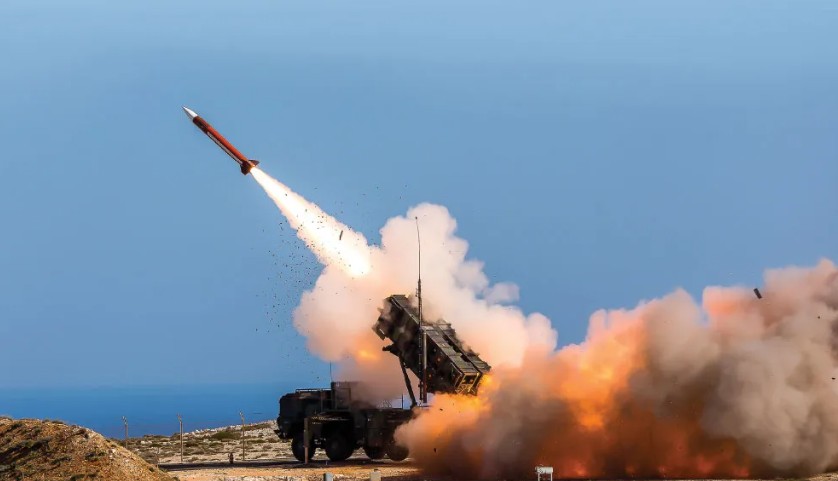
4. Battle Proven: Real-World Data (2024–2026)
Recent conflicts have provided unprecedented data. The Patriot has demonstrated an exceptional success rate against “hypersonic” threats like the Kinzhal, proving its software and kinetic interceptors are top-tier. The S-400, while formidable, has shown vulnerabilities to high-end Western cruise missiles and “saturation” drone strikes, prompting Russia to accelerate the development of the S-500.
The Verdict: Which System Wins?
Choose S-400 if: You need a high-range, multi-layered shield to protect a large geographic area against conventional aircraft and want a system that operates independently of Western political oversight.
Choose Patriot if: You are a NATO-aligned nation prioritizing the defense of critical infrastructure against advanced ballistic missiles and require the highest level of network-centric warfare integration.
In 2026, the “best” system is the one that fits into a nation’s wider sensor network. A missile is only as good as the radar that finds the target, and in the era of AI-driven warfare, the Patriot’s integration edge remains its greatest strength.
Editor’s Note: Cost data is based on 2025–2026 export contracts and GAO reports. Defense & Tech will continue to monitor the deployment of the new LTAMDS radar for the Patriot system, which promises $360$-degree coverage.