UN: Drone Strikes Killed Over 1,630 Civilians in Sudan in 2026


Drone strikes killed more than 1,630 civilians in Sudan between January and October 2026, accounting for most of the 2,230 verified civilian deaths the UN Human Rights Office documented over the same period, the office said on November 17. The toll, drawn from strikes on markets, fuel depots, health facilities and power infrastructure across Kordofan and Darfur, is the clearest evidence yet that armed drones, not artillery or ground assaults, have become the leading killer of civilians in Sudan’s 31-month civil war. UN High Commissioner for Human Rights Volker Türk said the pattern of strikes “may amount to war crimes” and called the findings proof of “ceaselessly unbearable civilian suffering.”
What Happened
The UN Human Rights Office (OHCHR) said its monitors verified at least 2,230 civilian deaths in Sudan from January through October 2026, of which more than 1,630, over 73 percent, resulted from drone strikes. The office broke the toll into two periods: at least 1,390 civilians killed in the first half of the year, more than 80 percent by drones, and a further 840 killed between July and October, of which roughly 520 were attributed to drone attacks, according to the report as relayed by Sudan’s Dabanga news service and Anadolu.
Kordofan accounted for more than two-thirds of the verified deaths, with Darfur next most affected; White Nile state recorded at least 41 civilian deaths in the same window. OHCHR documented at least 39 drone strikes on markets, 20 on civilian vehicles, 17 on fuel facilities and 16 on health facilities during the first half of 2026 alone, with hospitals, schools, water points and displacement camps also hit, some repeatedly.
A separate, more recent wave is detailed in the same report: between October 20 and November 4, the office recorded 29 drone strikes on electricity and fuel infrastructure across 11 states, attacks it attributes to the Rapid Support Forces (RSF). The strikes cut power to millions and disrupted dialysis machines, surgery, water pumping and food production, compounding a famine risk that the UN’s Integrated Food Security Phase Classification had already flagged for parts of Darfur and Kordofan in October. OHCHR cautioned that its figures reflect only verified incidents and that the actual toll “is likely higher.”
Türk’s statement follows a steady escalation his office has tracked publicly through the year: it reported over 880 drone-caused civilian deaths between January and April, then more than 1,000 through the first five months, and now more than 1,630 through October, a trajectory that shows no sign of plateauing as the war enters its fourth year.
The Weapons Driving the Toll
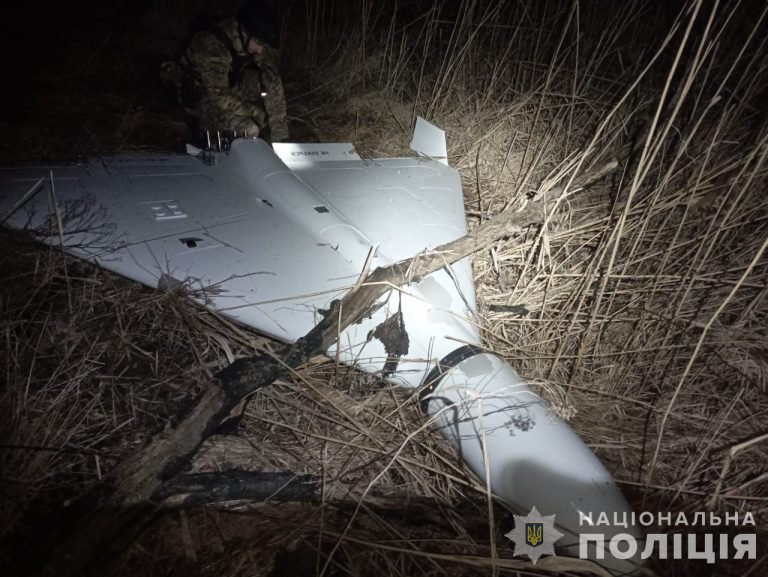
Sudan’s drone war is fought with a mixed fleet that neither the Sudanese Armed Forces (SAF) nor the RSF manufacture domestically. The army has increasingly relied on imported fixed-wing strike and reconnaissance drones, most visibly China’s Hanzhong Chuanxin FH-95, which Sudanese air defenses have repeatedly intercepted or downed over North and West Kordofan, including as recently as November 3, according to Sudanese military statements. SAF has also taken delivery of Pakistani-made Shahpar-2 drones alongside Mohafiz armored vehicles, part of a broader resupply that has helped the army claw back territory in Kordofan this year.
The RSF’s drone capability has grown more opaque and, per UN and rights-group investigations, more dependent on foreign intermediaries. A UN-backed fact-finding mission reported in September that a transnational network supplied the RSF with drones, logistics and foreign personnel, including contractors who piloted and maintained strike drones. Human Rights Watch’s May report, “From Bogotá to El Fasher,” and a parallel UN probe both describe a “Desert Wolves” brigade of retired Colombian military personnel who allegedly served as RSF drone operators and instructors after transiting Gulf military bases; the UN mission estimated up to 2,000 Colombian contractors were involved in operating advanced weapons systems for the RSF. The United Arab Emirates has repeatedly rejected allegations that it supplied military or logistical support to the RSF, and no OHCHR or UN probe document reviewed for this article names the manufacturer or country of origin of the drones used in the RSF’s power-grid and fuel-depot campaign. That gap in the public record, rather than any resolution of it, is itself part of the story: more than 18 months into the escalation, independent verification of the RSF’s drone supply chain remains thin, and claims from all sides should be read as claims, not established fact.
Who Is Using Drones, and Where
Both belligerents now operate drones well beyond traditional front lines. SAF’s FH-95 and smaller reconnaissance types support its Kordofan offensive and air-defense operations around Khartoum and El Obeid. The RSF’s drones, per OHCHR’s October-November data, were directed less at military positions than at power stations and fuel depots in 11 states, a shift toward infrastructure targets that the UN says has had cascading civilian effects, from hospitals losing electricity to irrigation and food-processing systems going offline. Earlier in the year, RSF-attributed strikes also hit markets and displacement camps in Darfur and Kordofan, including a wave that Sudanese monitors say killed over 100 people in a single 48-hour period in October, and an earlier campaign that knocked out power across four Sudanese states.
Why It Matters
Sudan’s war has become a case study in how comparatively cheap, widely proliferated drone technology can inflict civilian casualties at a scale once associated only with airstrikes by state air forces. The OHCHR figures suggest drones now kill more Sudanese civilians than ground combat, artillery and other forms of violence combined, a reversal of the pattern seen in most contemporary conflicts. For international investigators, the attack patterns documented, repeated strikes on markets, hospitals and power infrastructure, raise the threshold question of whether specific strikes were indiscriminate or deliberately targeted at civilian objects, either of which could constitute a war crime under international humanitarian law. For the broader defense and arms-control community, the report underscores how difficult it has become to trace battlefield drones back to their manufacturers once they pass through intermediaries, private contractors and third-country transfers, a problem Sudan shares with conflicts in Libya, Myanmar and Ukraine but which international monitors say is especially acute here given the reported scale of foreign mercenary and logistics involvement.
What Happens Next
OHCHR’s findings add to a growing international paper trail, including the UN Fact-Finding Mission’s September report and Human Rights Watch’s investigations, that could feed into eventual accountability mechanisms, though no state or international body has yet announced new sanctions or referrals specifically tied to the November report. Türk’s office said it will continue monitoring strikes on infrastructure as the RSF’s power-grid campaign continues into November, and the Integrated Food Security Phase Classification’s famine warnings for Darfur and Kordofan mean the humanitarian consequences of the drone war are likely to be reassessed again before year’s end. Neither SAF nor the RSF has publicly responded to the November 17 report as of this writing.
Frequently Asked Questions
How many civilians have drone strikes killed in Sudan in 2026?
The UN Human Rights Office says drone strikes killed more than 1,630 civilians between January and October 2026, out of at least 2,230 total verified civilian deaths in that period.
Which side is responsible for the drone strikes in Sudan?
Both the Sudanese Armed Forces and the Rapid Support Forces operate strike drones. OHCHR specifically attributed a late-October to early-November wave of 29 strikes on power and fuel infrastructure to the RSF; it did not attribute all other strikes in the report to a specific party.
What kinds of drones are being used in Sudan’s war?
SAF has used Chinese-made FH-95 drones and Pakistani Shahpar-2 systems. The RSF’s drone fleet and its sourcing are less publicly documented; UN and Human Rights Watch investigations describe foreign contractors, including Colombian personnel, involved in operating RSF drone systems, but do not identify the drones’ manufacturers.
Could the drone strikes in Sudan amount to war crimes?
UN High Commissioner for Human Rights Volker Türk said the documented pattern of strikes on markets, hospitals and civilian infrastructure “may amount to war crimes,” though no formal international prosecution tied to this specific report has been announced.
Is the UN’s casualty count likely to be complete?
No. OHCHR says its figures reflect only verified incidents and that the actual civilian death toll from the conflict, and from drone strikes specifically, is likely higher.
Sources
- Middle East Monitor, “Over 2,230 civilians killed in Sudan in 10 months, most by drone strikes: UN rights office,” November 17, 2026 — casualty breakdown and Türk quotes, citing Anadolu.
- Dabanga Sudan via AllAfrica, “Sudan: 2,230 Civilian Deaths in Sudan in 10 Months, Most From Drone Strikes – UN,” November 17-18, 2026 — regional breakdown and infrastructure-strike details.
- Al Jazeera, “Drone warfare kills over 1,000 in Sudan in 2026 as strikes multiply: UN,” June 15, 2026 — earlier-year OHCHR figures for trend context.
- Human Rights Watch, “From Bogotá to El Fasher: The UAE’s Role in the Deployment of Colombian Fighters,” May 2026 — reporting on alleged foreign drone operators supporting the RSF.
- Al Jazeera / Al-Monitor coverage of the UN-backed fact-finding mission on Sudan, September 2026 — transnational network and foreign-personnel findings.
- Sudan Tribune and Yeni Şafak (Anadolu), November 2026 reporting on SAF interceptions of FH-95 drones in Kordofan — drone-type context for SAF operations.