KALKAN VTOL Drone Makes First Ocean Flights from Turkish Frigate TCG Gelibolu
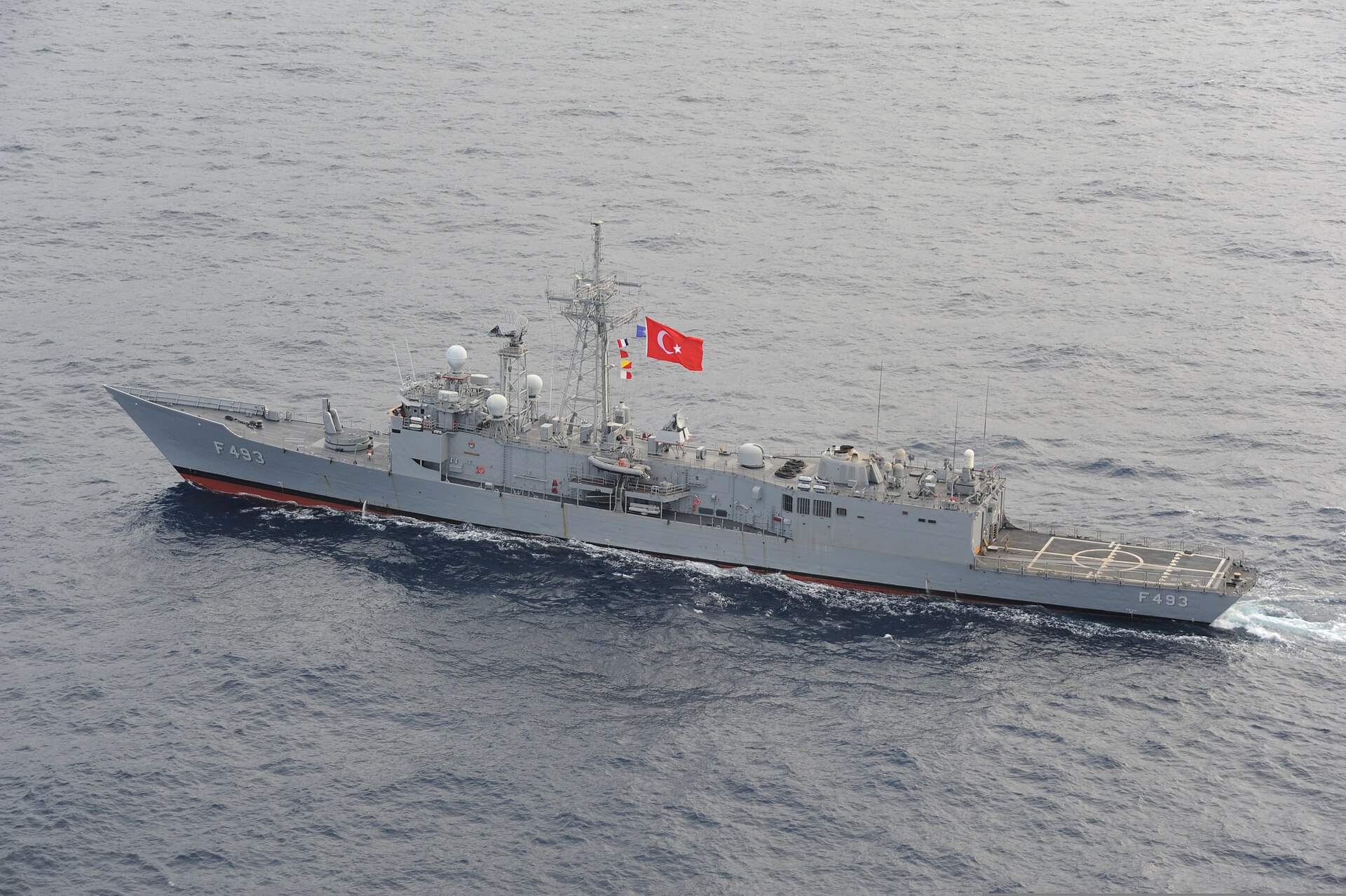
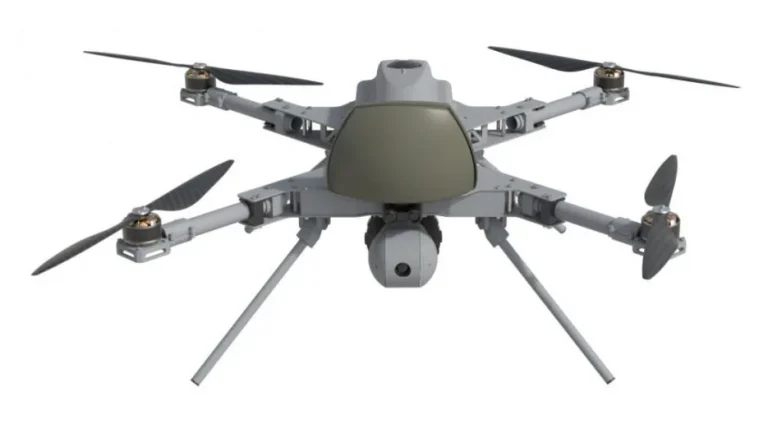
The Bayraktar KALKAN vertical take-off and landing (VTOL) unmanned aerial vehicle has carried out its first flight trials in open-ocean conditions, operating from the Turkish Navy frigate TCG Gelibolu in the Indian Ocean, Türkiye’s Ministry of National Defence (MSB) said on its official X account on October 24, 2026.
- Platform: Bayraktar KALKAN VTOL unmanned aerial vehicle (DİHA), developed by Baykar
- Ship: frigate TCG Gelibolu (F-493), part of the Somalia Naval Task Group
- Event: first flight trials in ocean conditions in the Indian Ocean
- Announced by Türkiye’s Ministry of National Defence on October 24, 2026
- Baykar figures: 78 kg maximum take-off weight, 3 kg payload, 5 m wingspan
First flights in Indian Ocean conditions
According to the ministry, the KALKAN drone deployed aboard TCG Gelibolu, one of the units of the Somalia Naval Task Group (Somali Deniz Görev Grubu, SDGG), completed its initial flight tests under ocean conditions. The brief statement did not give the number of sorties, the sea state or the duration of the flights.
Operating a small unmanned aircraft from a frigate on the open ocean is considerably more demanding than trials in sheltered waters, as pitch, roll, wind and spray complicate launch and recovery. VTOL designs avoid the need for a runway or catapult, which makes them suitable for ships with limited deck space.
What is the Bayraktar KALKAN?
KALKAN is a hybrid VTOL drone built by Turkish manufacturer Baykar. It uses electric motors for vertical take-off and landing and switches to an internal combustion engine for cruise flight. Baykar lists a maximum take-off weight of 78 kg, a payload of 3 kg, a 5-metre wingspan, around six hours of endurance, a communication range of more than 80 km and a service ceiling of 10,000 ft.
The aircraft is designed mainly for intelligence, surveillance and reconnaissance (ISR) missions, with an autonomous flight control system supporting route following, target tracking, loitering and automatic return to base. It first flew in 2019 and has since been tested from the amphibious assault ship TCG Anadolu and the corvette TCG Burgazada. Reports indicate it entered Turkish Armed Forces service in August 2026, when it was integrated aboard the frigate TCG Oruçreis.
Extending the reach of the Somalia task group
The Somalia Naval Task Group is Türkiye’s naval presence off the Horn of Africa, which has included escort duties for Turkish energy exploration activity in the region. A ship-based VTOL drone gives a frigate a persistent, low-cost aerial sensor that can extend surveillance well beyond the horizon of its own radar without launching a manned helicopter.
The ocean trials are a further step in the Turkish Navy’s effort to field unmanned systems across its fleet, from large drone-capable ships down to frigates and corvettes. The ministry did not say whether KALKAN will remain aboard TCG Gelibolu for the rest of the deployment.
Featured image: Italian Navy photo / Public domain, via Wikimedia Commons