AW159 Wildcat Helicopter Explained: Royal Navy and British Army Specs, Martlet and Sea Venom Missiles
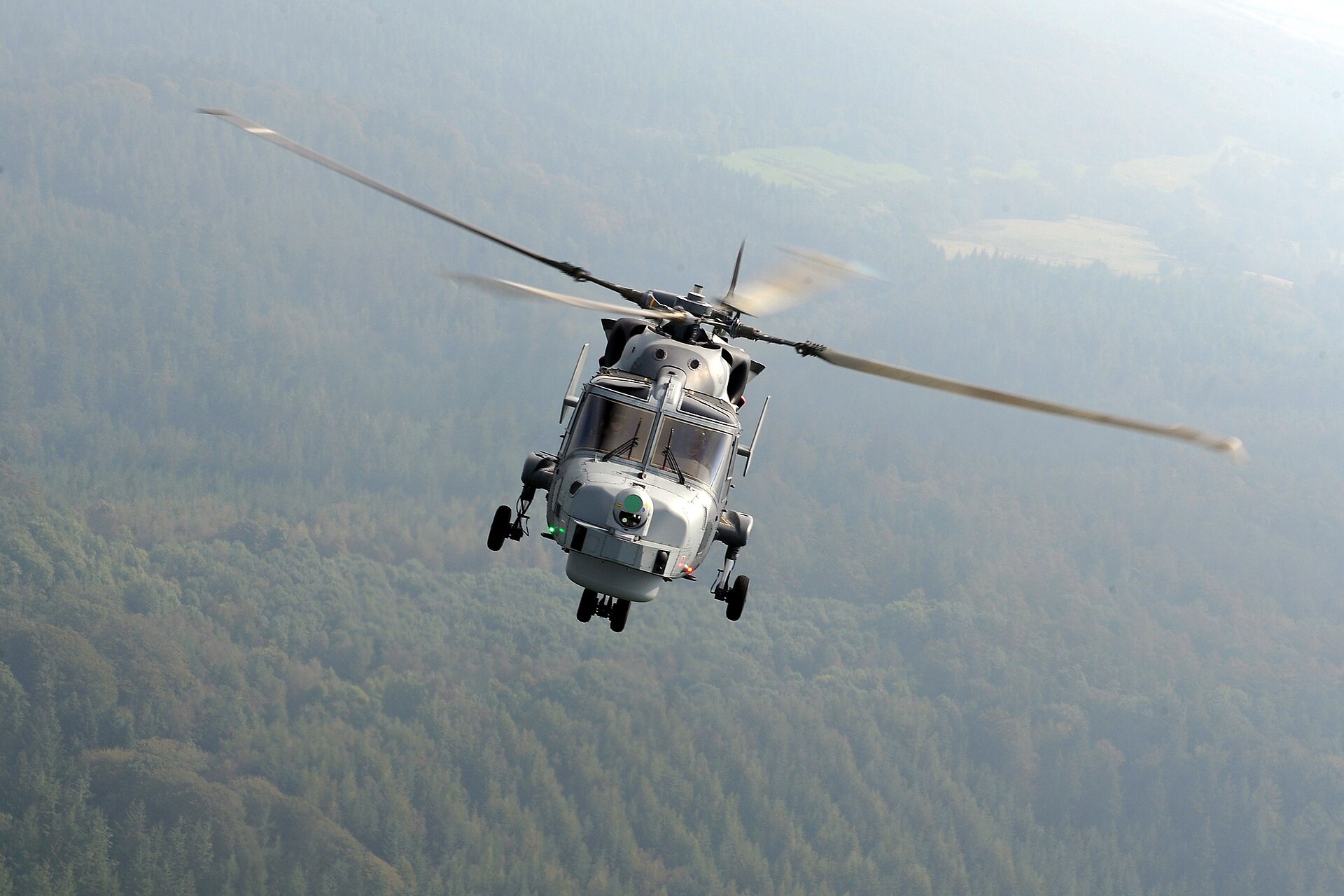

The AW159 Wildcat is Britain’s front-line small military helicopter. Flying from Royal Navy frigates and destroyers, it hunts submarines, attacks fast boats and shoots down drones. With the British Army, it provides reconnaissance and battlefield command support. Here is what makes it important.
- Built by Leonardo Helicopters (formerly AgustaWestland) at Yeovil, Somerset
- Successor to the Westland Lynx; entered UK service in 2014-15
- 62 ordered for the UK: 34 for the Army and 28 for the Royal Navy
- Armed with Martlet and Sea Venom missiles, Sting Ray torpedoes and depth charges
- Also exported to South Korea and the Philippines
What is the Wildcat?
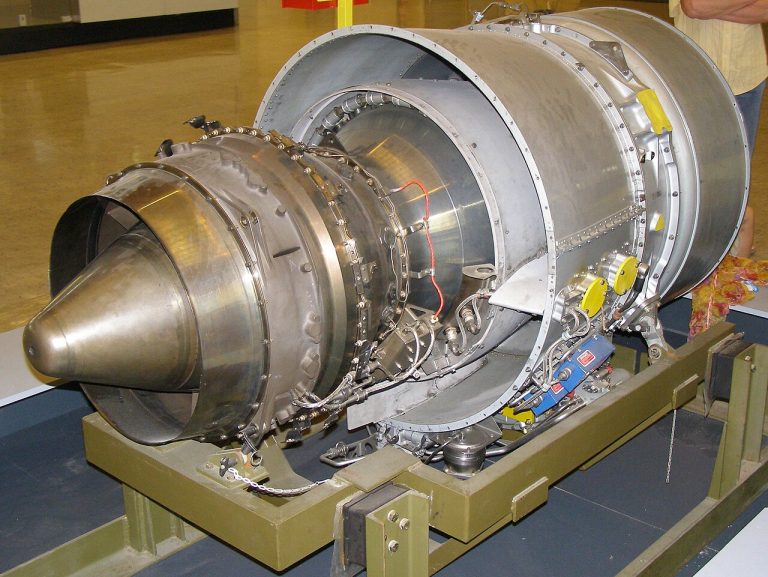
The Wildcat is a twin-engine, multi-role helicopter developed from the famous Lynx, which once held the world helicopter speed record. Although it looks similar, around 95% of its parts are new, including a modern glass cockpit, more powerful LHTEC CTS800 engines, a new tail rotor and a much stronger airframe. It can reach about 290 km/h.
Royal Navy Wildcat HMA2
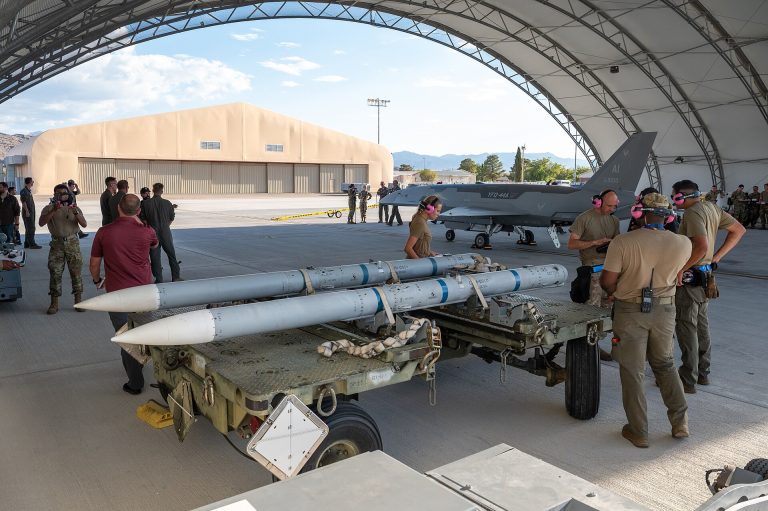
The naval version is built around the Leonardo Seaspray 7400E AESA radar and an electro-optical sensor turret. It can carry Sting Ray torpedoes and depth charges for anti-submarine warfare, and it is the launch platform for two new missiles made in the UK. The lightweight Martlet, produced by Thales in Belfast, is effective against small boats and drones, with up to 20 carried. The heavier Sea Venom, from MBDA, is designed to strike corvettes and fast attack craft.
British Army Wildcat AH1
The Army’s Wildcats are used for armed reconnaissance, surveillance, target acquisition and command and control. They support Apache attack helicopters, special forces and ground units, using their sensors to find targets and relay information.
Operations
Royal Navy Wildcats deploy with frigates and destroyers worldwide and have operated in the Red Sea and Gulf, where the threat from drones and fast boats is high. Their ability to stop small craft and intercept slow drones with Martlet makes them valuable in modern maritime security operations.
Exports and future
South Korea was the first export customer, ordering Wildcats for its navy, followed by a second batch. The Philippine Navy also operates the type. In the UK, the Wildcat is expected to serve into the 2030s and beyond, while the government studies a New Medium Helicopter to replace older Puma and other types.
Verdict
The Wildcat may be small, but with Martlet and Sea Venom it gives British warships a powerful, flexible weapon against threats that would be expensive to engage with ship-launched missiles. It remains one of the few modern helicopters fully designed and built in Britain.
Featured image: LA(Phot) Iggy Roberts / OGL v1.0, via Wikimedia Commons