How Many Warships Does China Have? The World’s Largest Navy
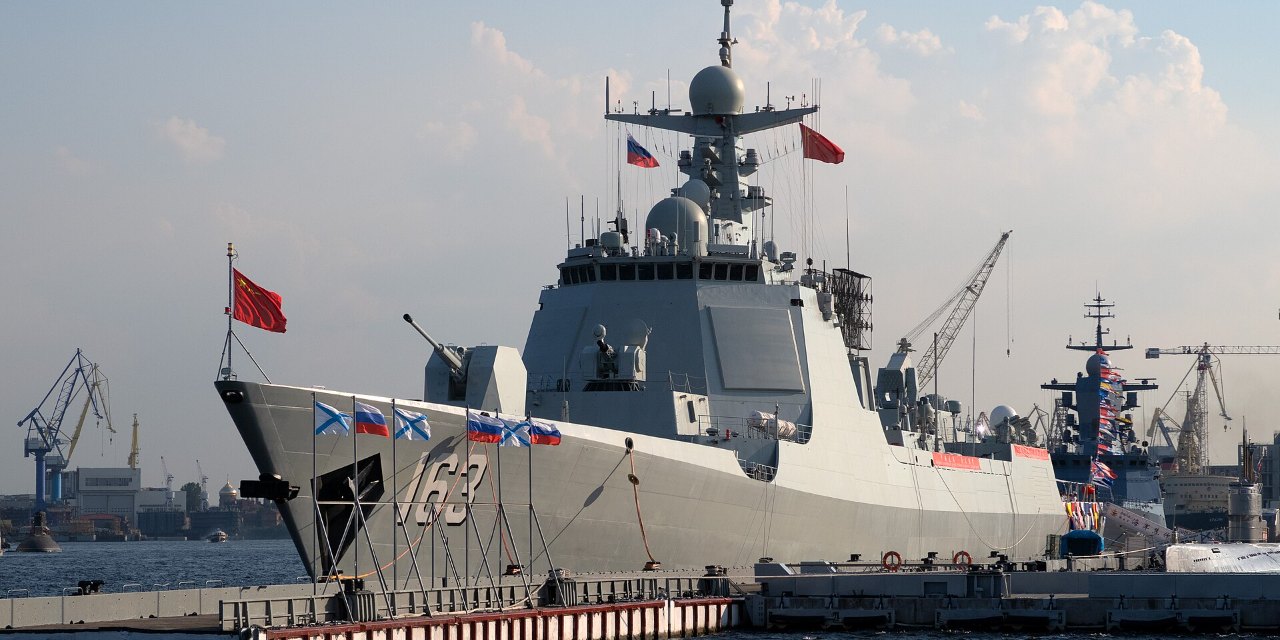
China has the largest navy in the world by number of ships. The Pentagon counted more than 370 ships and submarines in the PLA Navy in 2024 and expects about 435 by 2030, compared with fewer than 300 battle force ships in the US Navy. Its fleet is also young: most of its destroyers and frigates have been built in the past 15 years, and Chinese shipyards launch new warships faster than any other country in the world.
This guide covers China’s main surface warships, how many there are and how they compare with the US Navy.
How many warships does China have?
The PLA Navy is organised into three fleets: the Northern Theatre fleet at Qingdao, the Eastern at Ningbo and the Southern at Zhanjiang, with major bases on Hainan island. Its numbers include large numbers of smaller ships such as corvettes and missile boats, but the most important change has been the rapid build-up of large, modern destroyers that can sail far from China’s coast.
| Class | Type | Approx. number | Notes |
|---|---|---|---|
| Type 055 (Renhai) | Large destroyer / cruiser | 8+, more building | 112 missile cells; China’s most powerful surface combatant |
| Type 052D (Luyang III) | Guided-missile destroyer | About 30 | 64 missile cells; backbone of the destroyer fleet |
| Type 052C and older destroyers | Destroyers | About 10 | Older designs, some upgraded |
| Type 054A / 054B (Jiangkai) | Frigates | About 40 | Type 054B entered service in 2025 |
| Type 056 / 056A (Jiangdao) | Corvettes | About 50 | Coastal patrol and anti-submarine work |
| Type 075 / 076 | Amphibious assault ships | 4 + 1 | Helicopter carriers; Type 076 has a catapult |
| Type 071 | Amphibious transport docks | 8 | Carry troops, landing craft and hovercraft |
| Aircraft carriers | Carriers | 3 | Liaoning, Shandong, Fujian |
Type 055: China’s largest destroyer
The Type 055, which NATO calls the Renhai class, displaces about 12,000-13,000 tonnes, making it larger than an American Arleigh Burke destroyer and closer in size to a cruiser. It carries 112 vertical launch cells for surface-to-air, anti-ship and land-attack missiles, including the YJ-21 hypersonic anti-ship missile, and a powerful dual-band radar. The first entered service in 2020, and at least eight are now in service, with more being built. Our Type 055 guide covers the ship in detail.
Type 052D destroyers and frigates
The Type 052D is the workhorse of the fleet. It is a 7,500-tonne destroyer with 64 missile cells and an active phased-array radar, roughly comparable to an Arleigh Burke, and China has built around 30 of them in little more than a decade. Below the destroyers come about 40 Type 054A frigates, which escort carrier groups and patrol the South China Sea, and the new Type 054B, a larger frigate with improved anti-submarine sensors that entered service in 2025. China’s carriers, which these ships protect, are covered in our guide to Chinese aircraft carriers, and its submarines in our guide to Chinese submarines.
The shipbuilding advantage
China’s real naval advantage is industrial. It is the world’s largest shipbuilder, and its yards at Shanghai, Dalian and Guangzhou build commercial and military ships side by side. A US Navy intelligence briefing in 2023 estimated China’s shipbuilding capacity at more than 200 times that of the United States. That means China could replace losses in a long war far faster than America. Beyond the navy, China also has the world’s largest coast guard and a large maritime militia of fishing boats, which it uses to press its claims in the South China Sea.
How does it compare with the US Navy?
China has more ships, but the US Navy has far more tonnage, 11 nuclear carriers, about 70 nuclear submarines and many more missile cells in total. Most Chinese ships are designed to fight close to home, within range of land-based aircraft and missiles, while the US Navy must cross the Pacific. Our ranking of the world’s top navies compares them, and Britain’s surface fleet is covered in our guide to Royal Navy warships.
Frequently asked questions
How many warships does China have?
The Pentagon counted more than 370 ships and submarines in the PLA Navy in 2024, making it the world’s largest navy by number of ships.
Does China have the biggest navy in the world?
By number of ships, yes. The US Navy is still larger by tonnage and has more aircraft carriers and nuclear submarines.
What is China’s most powerful warship?
The Type 055 destroyer, a 12,000-13,000-tonne ship with 112 missile cells. The Fujian aircraft carrier is China’s largest warship.
How many destroyers does China have?
About 50 in total, including at least eight Type 055s and about 30 Type 052Ds.
How fast is China building warships?
Faster than any other country. The Pentagon expects the PLA Navy to grow to about 435 ships by 2030.
Is the Chinese navy stronger than the US Navy?
Not overall. China has more ships, but the US Navy has more firepower, more carriers and submarines, and much more combat experience.
- US Department of Defense – Military and Security Developments Involving the People’s Republic of China 2025: media.defense.gov
- Congressional Research Service – China naval modernization: implications for US Navy capabilities (2025): andrewerickson.com
- US Naval Institute Proceedings – Going nuclear, getting bigger and going beyond (May 2026): usni.org