
Defense News Alert: Trump Brands NATO a “Paper Tiger” and Revives Greenland Threats After Rutte Summit

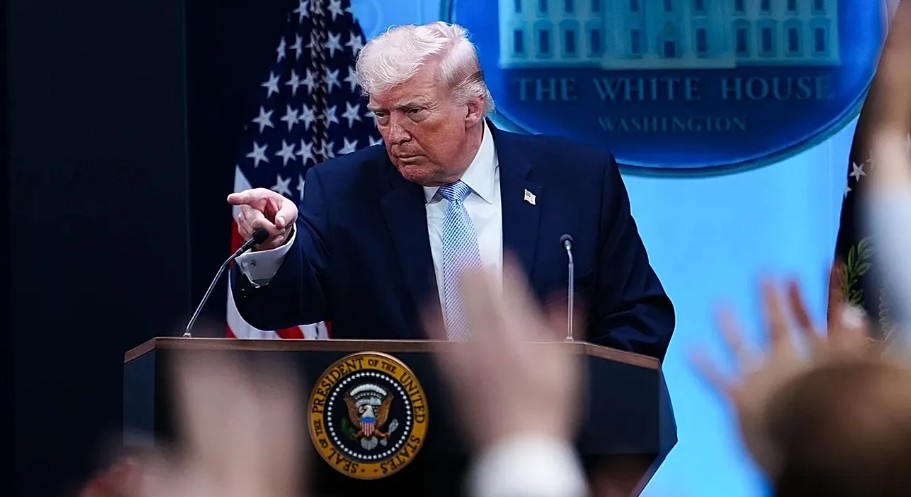

WASHINGTON D.C. – The future of the 80-year-old Transatlantic Alliance is hanging by a thread following a volatile series of statements from President Donald Trump. Following a closed-door summit with NATO Secretary General Mark Rutte, Trump intensified his rhetoric, labeling the security bloc a “disappointment” and signaling a potential withdrawal of U.S. forces from the soil of “uncooperative” allies.
The friction centers on a core strategic grievance: Trump’s fury over the refusal of key NATO members to join the U.S. military campaign against Iran.
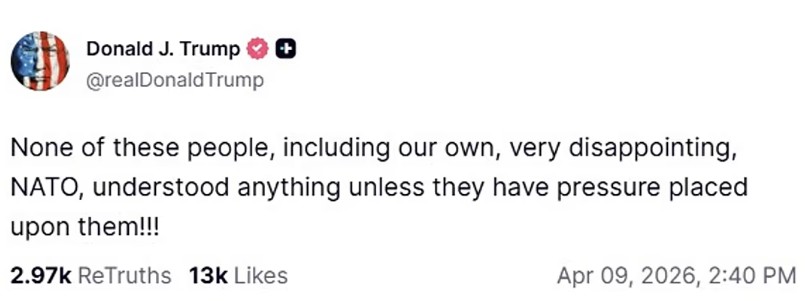
“NATO Wasn’t There”: The Truth Social Blast
Immediately following the meeting, Trump took to Truth Social to vent his frustrations, effectively bypassing traditional diplomatic channels. “None of these people, including our NATO, understood anything when no pressure was put on them,” Trump wrote.
His criticism took an even sharper turn regarding the alliance’s reliability. “NATO wasn’t there when we needed them, and they won’t be there when we need them again,” he added. This sentiment stems from the recent escalation in the Middle East, where certain allies restricted the use of U.S. bases for operations against Tehran and refused to lead efforts to keep the strategic Strait of Hormuz open.
The Greenland Factor: Strategic Real Estate or Diplomatic Weapon?
In a bizarre twist that has become a hallmark of his foreign policy, Trump revived his threats to acquire Greenland. Describing the Danish territory as a “big, poorly managed piece of ice,” the U.S. President linked the territorial claim to NATO’s perceived lack of utility.
For defense analysts, the revival of the Greenland issue is not just about real estate; it is a direct message to Denmark—and by extension, the northern wing of NATO—that American protection comes with a price that may include territorial or strategic concessions.
Punishment Over Withdrawal: The “Troop Removal” Plan
While a full withdrawal from NATO would require a complex Congressional approval process, a more immediate threat is looming. According to reports by The Wall Street Journal, the White House is considering a plan to bypass the alliance by punishing specific members.
The proposed strategy involves:
-
Targeted Troop Removal: Extracting U.S. military assets from countries that refused to support the Iran campaign.
-
Base Restrictions: Penalizing nations that limited the operational capacity of U.S. forces on their soil.
-
Personal Diplomacy: Insulting and isolating specific leaders, such as UK Prime Minister Keir Starmer, whom Trump mocked by calling Britain’s naval vessels “toys” and stating Starmer is “no Winston Churchill.”
Defense & Tech Analysis: The “Paper Tiger” Dilemma
By calling NATO a “Paper Tiger,” Trump is attacking the very core of the alliance: Article 5 and the principle of collective defense. If the primary funder and military powerhouse of the bloc views the treaty as non-binding or unreliable, the deterrent effect against adversaries like Russia or Iran vanishes.
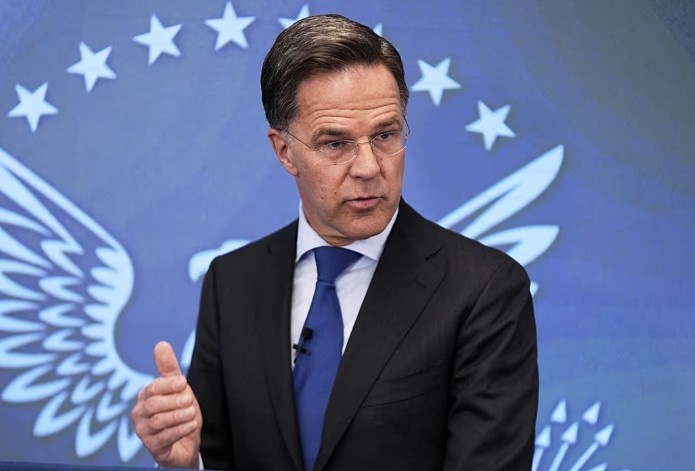
White House Press Secretary Karoline Leavitt confirmed that a total withdrawal remains a topic of discussion for the President. Despite Mark Rutte’s reputation as the “Trump Whisperer,” his CNN interview following the meeting was notably evasive, describing the talks as “candid” but refusing to confirm if a withdrawal date was set.
As Washington and Tehran navigate a fragile ceasefire, the internal war within NATO may prove to be the most destabilizing factor in global defense news this year. The message from the Oval Office is clear: The “peace dividend” era is over, and müttefiklik (alliance) is no longer a given—it is a transaction.
Editor’s Note: This report will be updated as Congressional leaders respond to the potential troop removal plans in Europe. Defense & Tech is monitoring movements at major US bases in Germany and the UK for signs of a tactical shift.