

The Jugular Veins of the World: A Strategic Guide to Geopolitical Chokepoints


In the vast expanse of the world’s oceans, the fate of the global economy and international security often hinges on a few miles of water. These are the Geopolitical Chokepoints—narrow channels along high-traffic global sea routes that are critical to the transit of energy, raw materials, and finished goods.
As we progress into the late 2020s, the strategic importance of these chokepoints has only intensified. They are no longer just navigational hurdles; they are the primary theater for asymmetric warfare, where small regional actors can leverage low-cost technology to challenge global superpowers.
The Economic Gravity of Chokepoints
Nearly 90% of global trade by volume travels by sea. A significant portion of this trade must pass through at least one major chokepoint. From the electronics of East Asia to the oil of the Persian Gulf, the global supply chain is a fragile web connected by these maritime “jugular veins.”
If one of these points is blocked—whether by military conflict, a terrorist act, or a shipping accident—the consequences are immediate and global. Supply chains snap, energy prices skyrocket, and the fragile stability of the international order is put to the test.
The Strategic “Big Five”
-
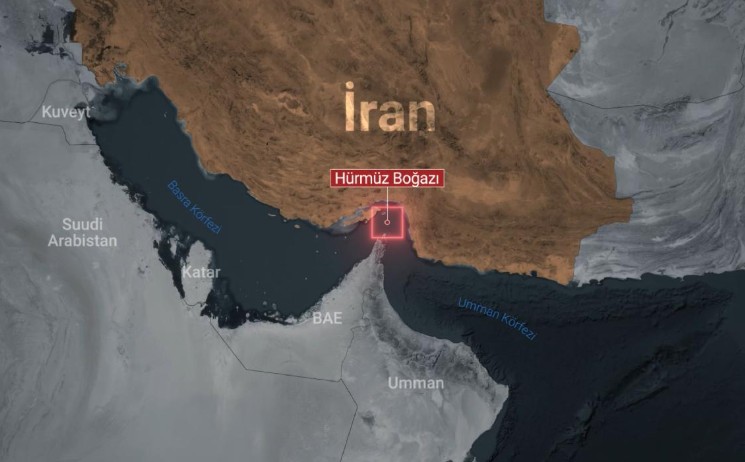
The Strait of Hormuz: The world’s most sensitive energy artery. Roughly 20% of the world’s total oil consumption passes through this 21-mile-wide stretch. Any disruption here is effectively an embargo on the global economy.
Global prosperity depends on a few miles of water. Explore the strategic importance of maritime chokepoints and why they have become the primary battlegrounds for 21st-century power projection. -
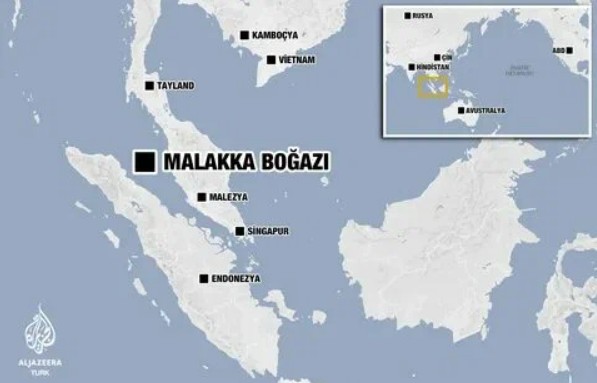
The Malacca Strait: The primary gateway between the Indian and Pacific Oceans. It is the shortest sea route between the Persian Gulf and the booming markets of East Asia. For nations like China and Japan, the Malacca Strait is a strategic lifeline.
-
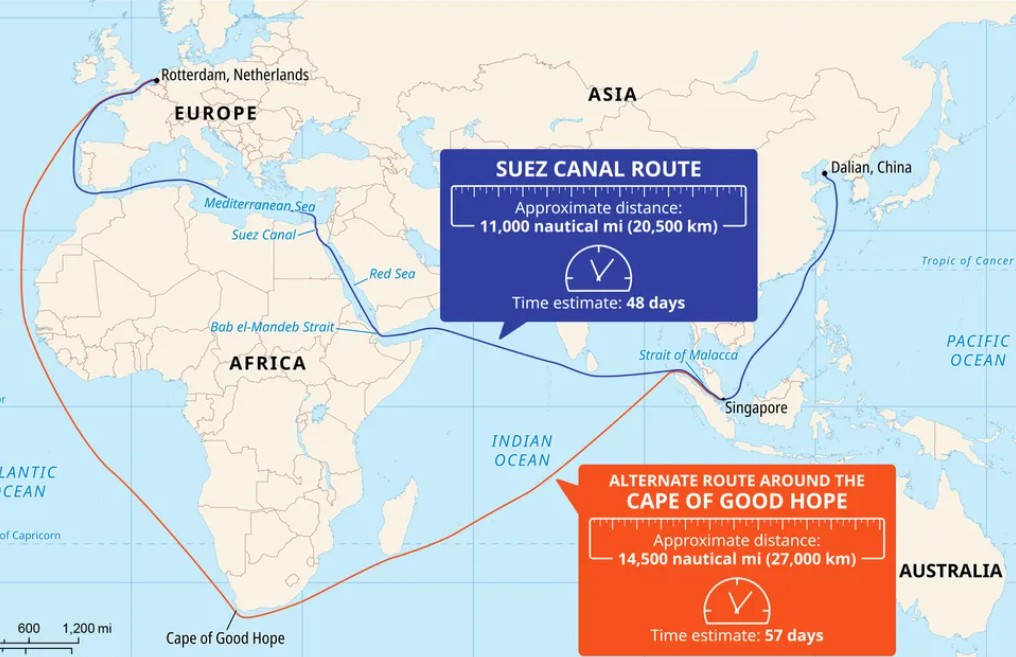
The Suez Canal and Bab-el-Mandeb: The vital link between Europe and Asia. Recent events in the Red Sea have demonstrated how easily non-state actors using suicide drones and anti-ship missiles can force global shipping to take the much longer and costlier route around the Cape of Good Hope.
Global prosperity depends on a few miles of water. Explore the strategic importance of maritime chokepoints and why they have become the primary battlegrounds for 21st-century power projection. -
The Strait of Gibraltar: The entrance to the Mediterranean. It remains the essential corridor for naval power projection between the Atlantic and the Middle East.
-
The Panama Canal: A cornerstone of Western Hemisphere trade, increasingly vulnerable to both geopolitical tensions and the physical realities of climate-driven water shortages.
The Technological Shift: Asymmetric Threats
Historically, controlling a chokepoint required a massive naval presence. Today, the proliferation of long-range precision missiles, autonomous underwater vehicles (AUVs), and loitering munitions has changed the calculus.
A “middle power” or even an insurgent group no longer needs a blue-water navy to close a strait. With a battery of coastal anti-ship missiles or a swarm of inexpensive drones, they can impose a “no-go zone” that deters even the most advanced carrier strike groups. This democratization of lethality has made maritime security more complex and unpredictable than at any time in modern history.
Conclusion: The Future of Maritime Sovereignty
The 21st century will be defined by the struggle to secure—or threaten—these maritime corridors. For defense planners and technology developers, the focus is shifting toward “Chokepoint Defense” systems: integrated AI monitoring, autonomous patrol vessels, and rapid-response capabilities designed to keep these vital veins open.
In a world where economic power is synonymous with maritime access, the nations that can guarantee the free flow of goods through these narrow waters will dictate the terms of global peace and prosperity.