How Strong Is Spain’s Military in 2026?
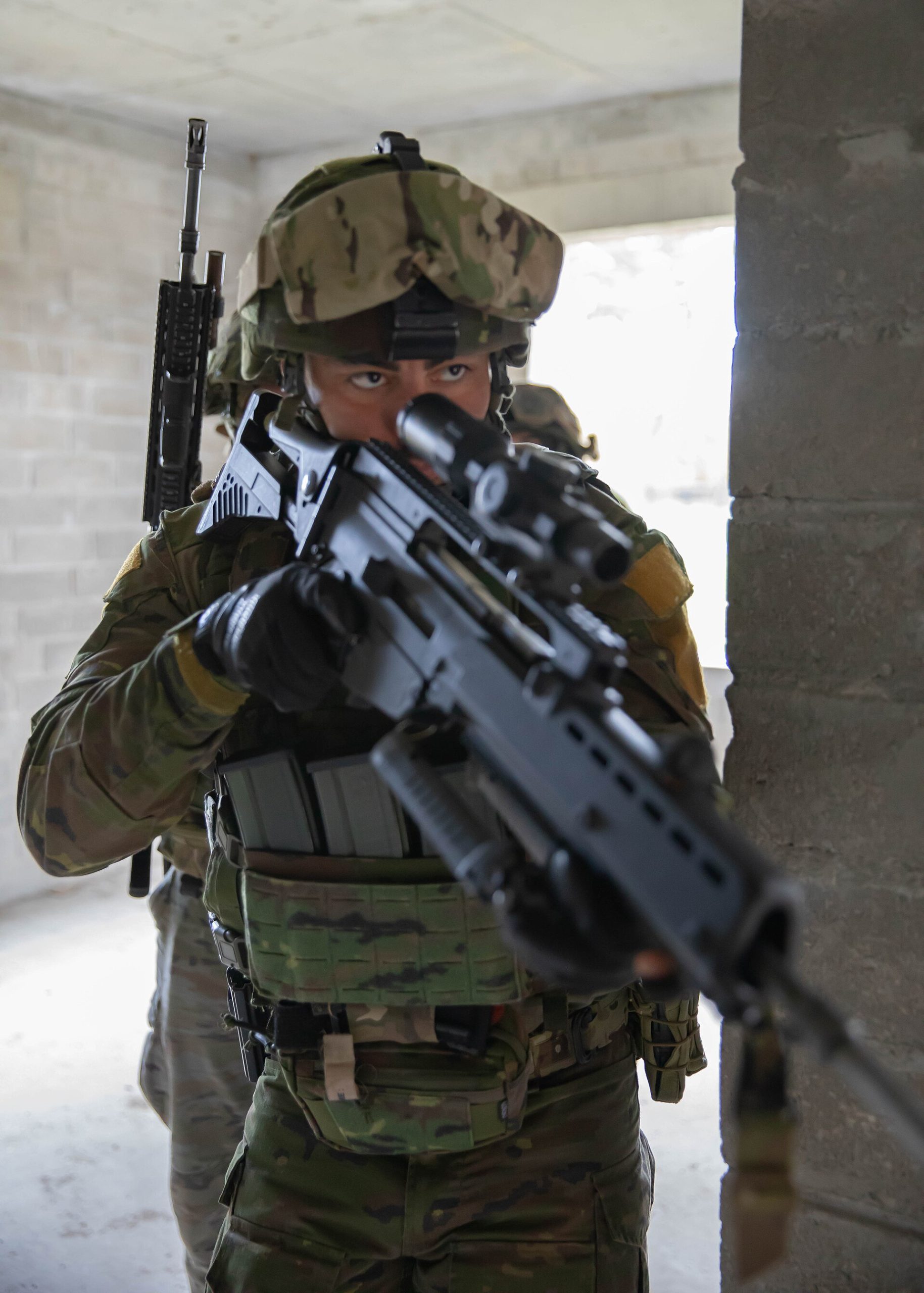
Spain has long been one of NATO’s lowest spenders as a share of GDP, yet it fields a capable, modern military with real global reach. In 2025 Madrid finally hit the alliance’s 2 percent target and then openly refused to sign up to the new 5 percent goal. Here is how strong Spain’s armed forces are in 2026.
- SIPRI: about $40.2 billion spent in 2025
- Global Firepower 2026 rank: 18th
- About 120,000 active personnel
- Reached NATO’s 2% goal in 2025 but rejects 5%
- Navantia and Indra lead a growing defence industry
Budget and ranking
According to SIPRI, Spain spent around $40.2 billion on its military in 2025, a sharp increase driven by an extra multibillion-euro defence package. Global Firepower ranks Spain 18th in the world in 2026. At NATO’s summit in The Hague, Prime Minister Pedro Sánchez secured flexibility on the 5 percent target, arguing Spain can meet its capability commitments with much less spending, a position that drew criticism from Washington.
Manpower
The Spanish Armed Forces have around 120,000 active personnel, all professional volunteers since conscription ended in 2001. Spanish troops serve in NATO missions on the eastern flank, notably in Latvia and Slovakia, and in UN operations such as Lebanon.
Navy: a carrier and new submarines
The Armada’s flagship is the Juan Carlos I, an amphibious assault ship that operates AV-8B Harrier jump jets. Spain is building its own submarines: the S-80 class, led by Isaac Peral, which uses air-independent propulsion. New F-110 frigates with an AESA radar are under construction by Navantia, which also exports ships worldwide. A key debate is what will replace the Harriers, because Spain has stepped back from buying the F-35B.
Air force
The Ejército del Aire y del Espacio flies Eurofighter Typhoons, including new Halcón batches replacing old F-18s in the Canary Islands, and EF-18 Hornets. Spain is a partner in the Franco-German-Spanish FCAS next-generation fighter programme and in 2025 chose Türkiye’s Hürjet as its next advanced jet trainer. A400M transports and A330 MRTT tankers give it strategic reach.
Army and industry
The army operates Leopard 2E tanks, Pizarro infantry fighting vehicles and the new Dragon 8×8 wheeled vehicle. Spain’s defence industry is growing fast: Indra has become a major European player in radars and electronic systems, Navantia builds warships, and firms such as Escribano and Santa Bárbara produce weapons and armoured vehicles.
Strengths and weaknesses
Spain’s strengths are a professional force, a capable shipbuilding sector and growing defence electronics. Its weaknesses are low spending relative to its economy, ageing combat aircraft, uncertainty over carrier aviation and political tension with allies over burden-sharing. Spain is a solid mid-sized military, but how much more it is willing to spend will decide whether it keeps pace with the rest of Europe.
Featured image: U.S. Army photo by Sgt. Omar Joseph / Public domain, via Wikimedia Commons