Stealth Bomber
Xian H-6K
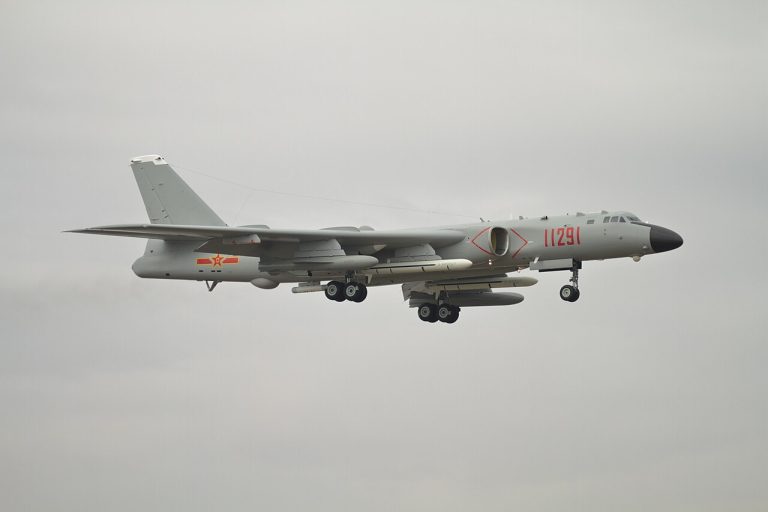
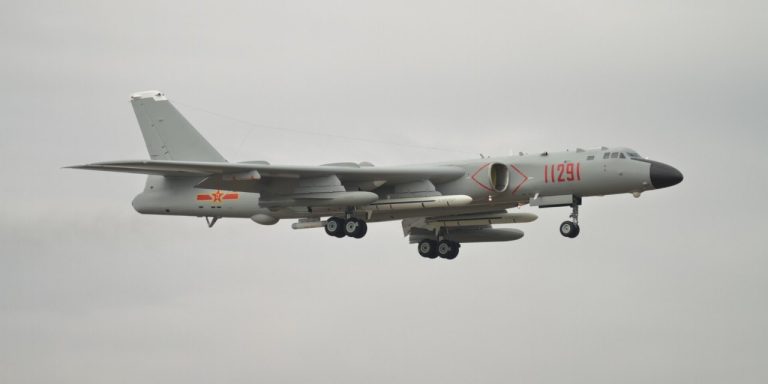
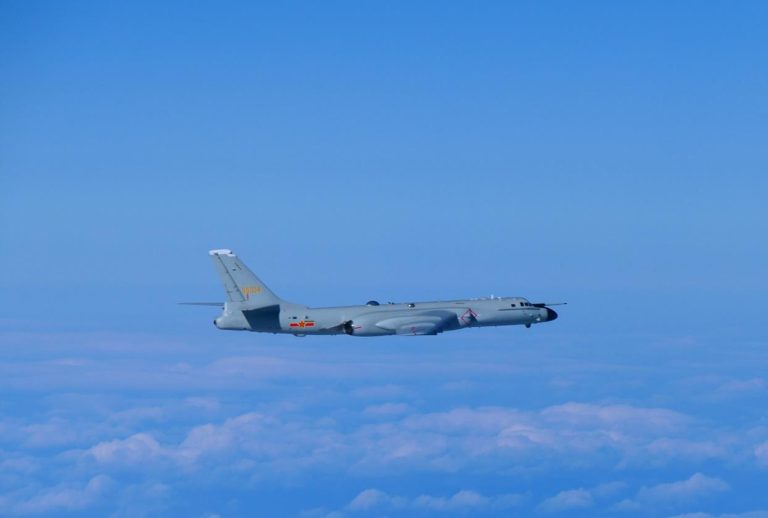
The H-6K is a twin-engine long-range bomber and cruise missile carrier made by Xi’an Aircraft Industrial Corporation (AVIC) in China, in service since about 2009. It is a heavily rebuilt descendant of the Soviet Tu-16 Badger and the backbone of PLAAF strategic aviation.
 China|Xi’an Aircraft Industrial Corporation (XAC) / AVIC
What Is the Xian H-6K? Overview, History and Development
The H-6 line began with Soviet Tu-16 kits delivered in the late 1950s, and the Xi’an-built H-6 first flew in 1968. The H-6K, which first flew on 5 January 2007, is the major rebuild: Russian-designed D-30KP-2 turbofans of 118 kN each, a glass cockpit, new radar, composites and a redesigned nose. Combat radius rose to about 3,500 km from about 1,800 km. Six pylons carry CJ-20 land-attack cruise missiles or YJ-12 anti-ship missiles, or the bomber can carry about 12,000 kg of bombs.
Open sources suggest roughly 120 H-6K and H-6N class aircraft are active with the PLAAF, with 200 or more H-6 of all types, and production is ongoing. The H-6N adds an air-refuelling probe and a recessed belly station reported to carry an air-launched ballistic missile, not officially confirmed, and is considered nuclear-capable by analysts. The H-6J is the naval anti-ship version. China is the only operator, and H-6Ks have flown patrols around Japan, the South China Sea, and joint patrols with Russia near Alaska in 2024.

Xian H-6K Specifications: Speed, Range, Engines and Armament
Xian H-6K Variants and Versions Compared
The rebuilt bomber with D-30KP-2 engines, new avionics and a combat radius of about 3,500 km.
A refuelling-probe equipped version with a belly station reportedly for an air-launched ballistic missile.
The PLA Naval Aviation version armed with YJ-12 anti-ship missiles.
Which Countries Use the Xian H-6K? Operators and Users
ChinaXian H-6K FAQ: Price, Range, Operators and Most Asked Questions
How much does an H-6K cost?
An H-6K costs roughly 100–125 million US dollars per aircraft according to foreign analyst estimates, though confidence in this figure is low. China has not published an official price.
H-6K vs B-52: which is better?
The H-6K is smaller and shorter-ranged than the B-52H. It carries about 12,000 kg of bombs or six cruise missiles on external pylons, while the B-52 carries far more and flies much farther, though the H-6K’s role is standoff missile launch.
What is the range of the H-6K?
The H-6K has a combat radius of about 3,500 km, which is commonly cited as enough to reach Guam. Older H-6 versions had a combat radius of only about 1,800 km.
Is the H-6K stealth?
The H-6K is not stealth. It is a subsonic bomber at about 1,050 km/h with a large radar signature, and China’s H-20 stealth bomber is a separate programme not yet publicly shown.
How many H-6K bombers does China have?
China has roughly 120 H-6K and H-6N class bombers in PLAAF service, according to open-source estimates as of 2025, and more than 200 H-6 of all types. Production is ongoing.
Is the H-6K a copy of the Tu-16?
The H-6K is a heavily modernised descendant of the Soviet Tu-16 Badger, built under licence from the late 1950s. It has new engines, avionics, a redesigned nose and composite materials, so it is far more capable than the original.