
Beyond Stealth: The Global Arms Race for 6th Generation Air Dominance

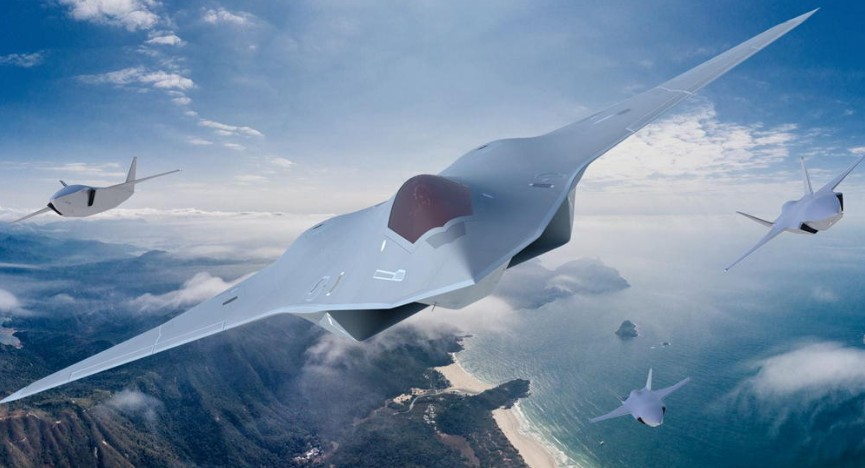

STRATEGIC ANALYSIS – The era of the F-35 and Su-57, once the pinnacle of defense technology, is slowly transitioning into the shadow of something far more formidable. Around the globe, the race for the 6th generation fighter jet has officially begun. Unlike previous transitions, this isn’t just a race for better stealth or faster engines; it is a fundamental shift in how air power is projected.
From Washington to London and New Delhi, three major programs are vying to define the future of the skies: the U.S. NGAD, the British-led GCAP/Tempest, and India’s ambitious AMCA.
The Pillars of 6th Gen Technology
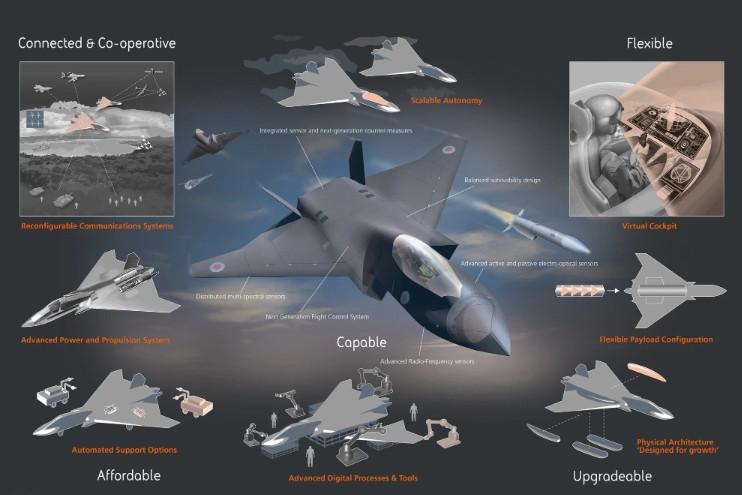
What makes a fighter “6th generation”? According to latest defense news reports, the industry has settled on five non-negotiable pillars:
-
System of Systems: The jet acts as a “quarterback,” controlling a swarm of autonomous drones.
-
AI Integration: Artificial intelligence handles sensor fusion and tactical decisions, reducing pilot workload.
-
Directed Energy Weapons: The integration of laser systems for missile defense and precision strikes.
-
Adaptive Engines: Engines that can switch between high-thrust and high-efficiency modes for long-range missions.
-
Advanced Stealth: Moving beyond “low observability” to “multi-spectral” invisibility.
1. The American Titan: NGAD (Next Generation Air Dominance)
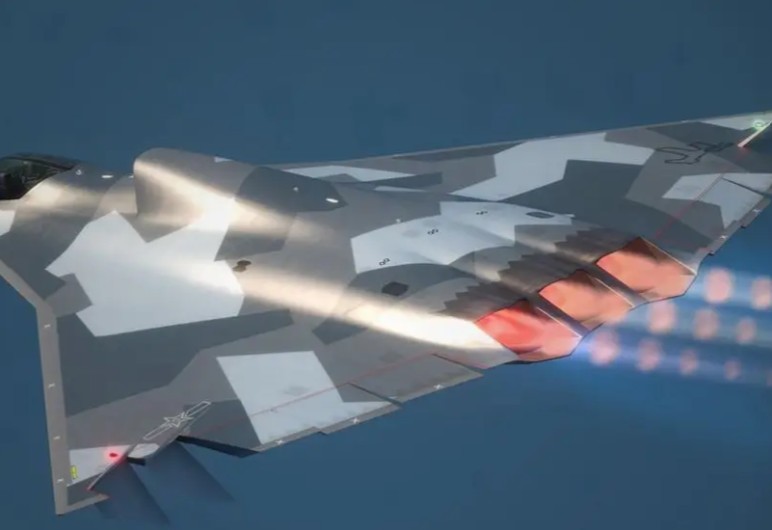
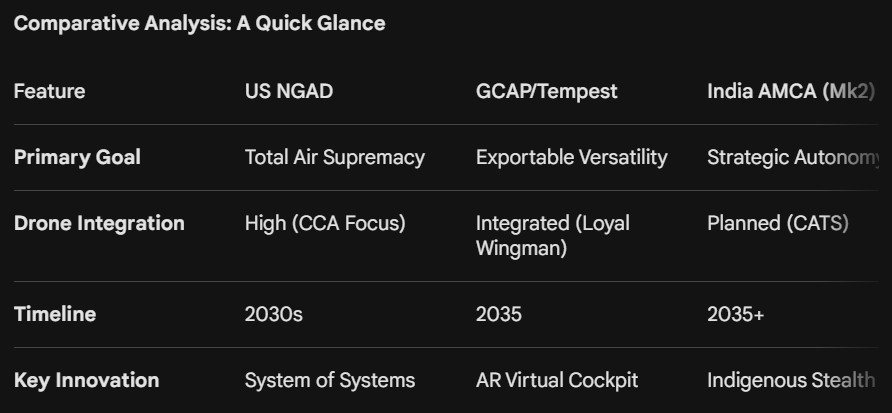
The United States Air Force’s NGAD is arguably the most secretive and well-funded project in defense history. Rather than a single aircraft, NGAD is a “family of systems.” Central to this is the Collaborative Combat Aircraft (CCA)—loyal wingman drones designed to fly alongside the manned jet.
The U.S. approach focuses on “Digital Engineering,” allowing for rapid prototyping and software updates. However, the price tag is the main talking point in defense news circles, with each manned platform expected to cost several hundred million dollars.
2. The Global Partnership: GCAP / Tempest
The Global Combat Air Programme (GCAP), primarily known as Tempest, is a joint venture between the UK, Italy, and Japan. This project represents a masterclass in international defense industrial cooperation.
Tempest’s standout feature is its “Wearable Cockpit,” replacing physical dials and screens with augmented reality (AR) integrated directly into the pilot’s visor. By pooling resources, these nations aim to deliver a platform that is not only technologically superior but also economically sustainable for the global export market.
3. The Rising Giant: India’s AMCA (Advanced Medium Combat Aircraft)
For New Delhi, the AMCA is more than just a jet; it is the cornerstone of “Atmanirbhar Bharat” (Self-Reliant India). As one of the most significant projects in Asian defense news, the AMCA is designed as a twin-engine, 5.5 to 6th generation multirole fighter.
The program is split into two phases: Mark-1 (5th Gen) and Mark-2 (6th Gen). India is focusing heavily on “Diverterless Supersonic Intakes” and an indigenous engine developed in collaboration with global partners. Success with AMCA would catapult India into an elite club of nations capable of designing the world’s most complex machines from scratch.
The Verdict: Who Wins the 2035 Skies?
The race for the 6th generation is a marathon of endurance and capital. While the U.S. holds the lead in raw technological integration, the Tempest program offers a compelling model for international burden-sharing. Meanwhile, India’s AMCA remains the “wildcard” that could shift the balance of power in the Indo-Pacific.
As defense news outlets monitor every flight test and budget hearing, one thing is certain: the next war will not be won by the fastest pilot, but by the most intelligent network. The 6th generation is no longer a concept; it is the new reality of global security.
Editor’s Note: This analysis is based on current procurement data and official defense briefings. Defense & Tech will continue to provide real-time updates as these prototypes move toward their maiden flights.