
CATASTROPHIC BLAST AT BURUNDI MILITARY DEPOT: 13 DEAD AS GITEGA FACILITY EXPLODES

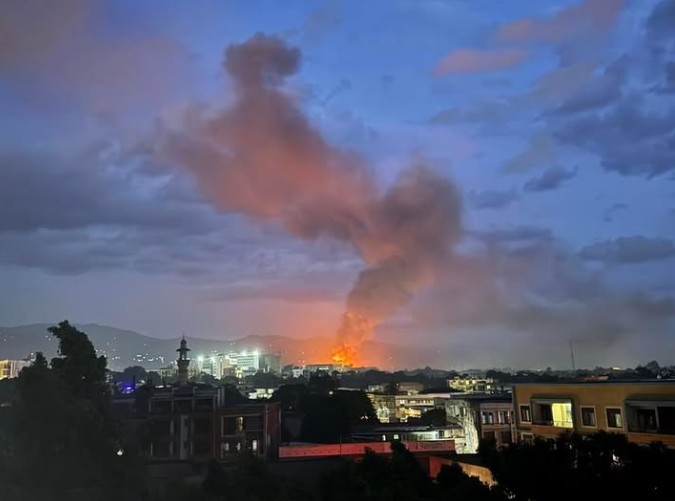

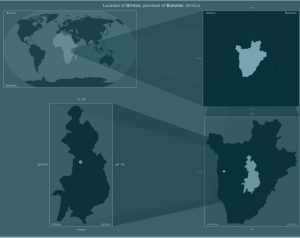
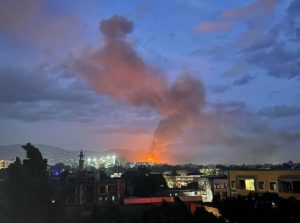
A massive explosion ripped through a strategic military ammunition depot in the political capital of Gitega in the early hours of April 2, 2026. Official reports from the Burundian Ministry of Defense have confirmed that the blast resulted in at least 13 fatalities and 57 injuries, many of whom are in critical condition. The shockwave from the detonation was felt across the city, causing significant structural damage to surrounding residential areas and sparking a major humanitarian emergency.
The Incident: A Chain Reaction of Destruction
The explosion occurred at the Camp Muha military installation, a facility known to house a significant portion of the national army’s ordnance. According to eyewitness accounts, a series of smaller “popcorn” style detonations preceded the primary blast, suggesting a fire may have originated in a high-explosive storage sector before reaching a critical mass of artillery or mortar shells.
Emergency response teams and Red Cross volunteers were deployed immediately, but secondary explosions hindered initial rescue efforts for several hours. The 57 injured individuals, including both military personnel and civilians, have been evacuated to the Gitega Regional Hospital and nearby medical centers, which are currently operating under emergency surge protocols.
Technical Analysis: The Risks of Aging Ordnance
While an official investigation is underway, defense analysts point to several recurring factors in African military depot explosions:
-
Ammunition Degradation: Much of the regional ordnance consists of aging Soviet-era or Cold War-relic munitions. Over time, chemical stabilizers in propellants and explosives degrade, making them hyper-sensitive to heat and movement.
-
Environmental Factors: High ambient temperatures combined with inadequate ventilation in storage bunkers can lead to spontaneous combustion of degraded nitrocellulose.
-
Infrastructure Gaps: The proximity of military depots to expanding urban centers remains a high-risk factor. What was once an isolated facility is now often surrounded by civilian populations, turning technical failures into humanitarian disasters.
Strategic Implications for Burundi
President Évariste Ndayishimiye has declared a period of mourning and ordered an immediate technical audit of all military storage sites across the country. For Burundi, this incident highlights a critical need for PSSM (Physical Security and Stockpile Management) modernization. International organizations, including the UN and various demining NGOs, have previously urged East African nations to move ammunition depots away from urban hubs and invest in climate-controlled storage technology.
From a Defense and Tech perspective, this tragedy serves as a grim reminder that the maintenance of weaponry is as vital as its procurement. Without rigorous safety protocols, a nation’s arsenal can become its greatest internal threat.