Arjun Mk1A Tank: India’s Heaviest Main Battle Tank, Specs and Problems
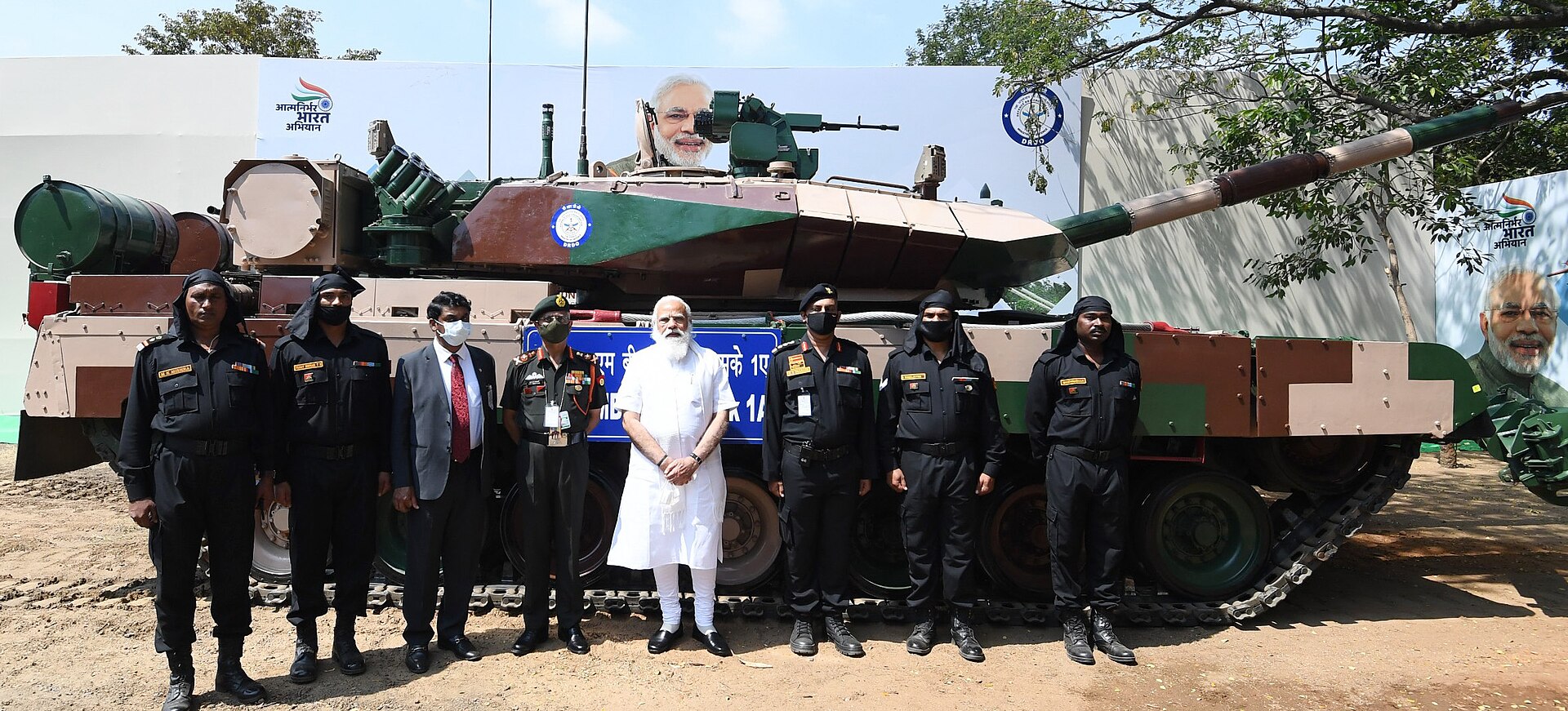
India operates more than 3,000 main battle tanks, but almost all are Russian designs: the T-72 Ajeya and T-90 Bhishma. The Arjun is India’s attempt to build its own heavy tank, and the Mk1A is its most advanced version so far. It is powerful, well protected and controversial. Here is what you need to know.
- Developed by DRDO’s Combat Vehicles R&D Establishment
- 118 tanks ordered in 2021
- Weight around 68 tonnes
- 120 mm rifled gun able to fire the LAHAT missile
- Deliveries delayed by imported engine supply issues
Origins
The Arjun programme began in the 1970s under the Defence Research and Development Organisation (DRDO), with the Combat Vehicles Research and Development Establishment in Chennai as lead designer. After decades of development, the first-generation Arjun Mk1 entered service in limited numbers in the 2000s. The Indian Army asked for many improvements, which led to the Mk1A.
What is new in the Mk1A?
The Mk1A introduces dozens of upgrades over the Mk1, including better firepower, protection and mobility. It has an improved fire control system with automatic target tracking, a commander’s panoramic sight for hunter-killer operations, explosive reactive armour, better mine ploughs, an advanced land navigation system and improved suspension. The 120 mm rifled gun can fire fin-stabilised armour-piercing rounds, high-explosive shells and the gun-launched LAHAT anti-tank missile.
Weight and mobility
The Mk1A is heavy, at around 68 tonnes. It is powered by a 1,400 hp diesel engine from Germany’s MTU, giving it good cross-country performance in the deserts of Rajasthan. Its weight, however, limits where it can go: many bridges and rail wagons in India were built for lighter Russian tanks, which is one reason the army prefers the T-90 for wider deployment.
Orders and delays
In 2021 the Ministry of Defence ordered 118 Arjun Mk1As from Heavy Vehicles Factory in Avadi, a contract worth about ₹7,500 crore. Deliveries have slipped, largely because of delays in the supply of imported engines and components. To reduce this dependency, India is developing its own 1,500 hp DATRAN engine, which is intended for future tanks.
Arjun vs T-90
The Arjun offers excellent firepower and accuracy and, in comparative trials, has performed very well. The T-90 is lighter, easier to transport and supported by a huge fleet and logistics chain. The army sees the Arjun as a niche heavy tank for desert formations, while the next big step is the Future Ready Combat Vehicle meant to replace the ageing T-72 fleet.
Verdict
The Arjun Mk1A is proof that India can design a world-class tank, but also a lesson in how long indigenous programmes take and how much they still depend on foreign parts. Its real legacy may be the knowledge it gives India for the next generation of armoured vehicles.
Featured image: Prime Minister’s Office / GODL-India, via Wikimedia Commons