
Aerostar Wins $64 Million Air Force Contract for Swamp Gas Balloon Project

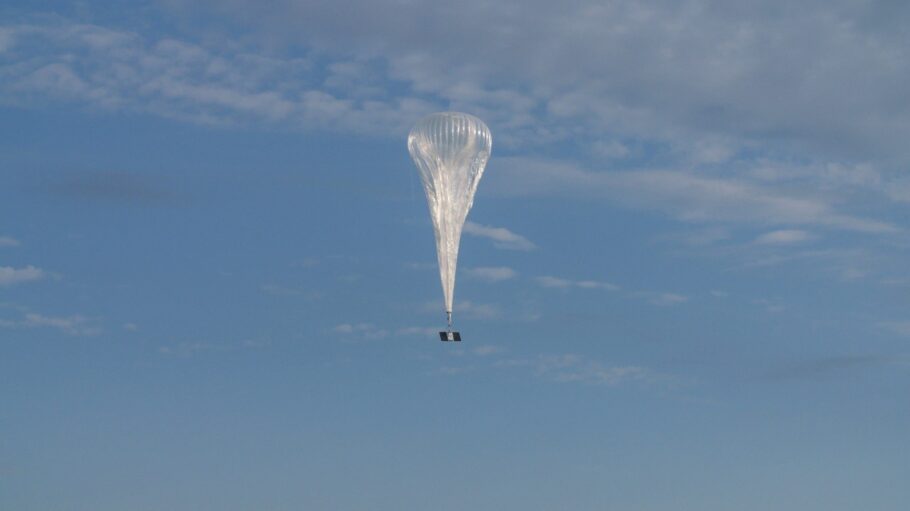
The US Air Force has awarded Aerostar Technical Solutions a $64.4 million sole-source contract to build a prototype under a project called Swamp Gas, described only as a response to a “High-Altitude Balloon Operational Urgency.” The award appeared in the Pentagon’s daily contract notices for 28 September, with an award date of 25 September.
The notice says the contract covers developing “a minimum viable product prototype.” It is a mix of firm-fixed-price and cost-reimbursable terms, and work is expected to finish by 23 March 2028.
What the Contract Notice Does and Does Not Say
Very little is disclosed. The announcement does not name the mission, the requesting unit, the payload or where the balloons would operate. Work will be performed at Arlington, Virginia, and the Air Force Life Cycle Management Center at Wright-Patterson Air Force Base, Ohio, is the contracting activity.
The money is almost all research and development funding. About $57.7 million comes from fiscal 2025 RDT&E funds and $6.3 million from fiscal 2026, and both were obligated at the time of award. The use of the word “urgency” in the project title suggests a need identified by an operational command rather than a routine acquisition, though the notice does not say so.
Aerostar’s Balloon Business
The notice lists the contractor as Aerostar Technical Solutions LLC of Arlington, Virginia. Defence Blog links the award to Aerostar, the stratospheric balloon maker, and the notice itself does not describe the corporate relationship. Aerostar builds stratospheric balloons and airships from Sioux Falls, South Dakota, and traces its roots to Raven Industries, which was founded in 1956 to make high-altitude research balloons for the US Navy. The company’s own history says it has more than 70 years of lighter-than-air experience.
Its products include zero-pressure balloons that can carry payloads from a few pounds to more than four tons to the edge of space, and the Thunderhead system. The company says Thunderhead balloons use directional winds at high altitude to stay over an area of interest, and it lists communications, alternative position, navigation and timing, and intelligence, surveillance and reconnaissance among the possible missions. Aerostar says the approach costs a fraction of traditional stratospheric platforms in money and time.
In 2021, Aerostar said, it demonstrated a stratospheric communications constellation over a battlefield using a mobile ad hoc network covering more than 200 miles. It has also flown Thunderhead balloons to monitor wildfires and, this month, published a piece on using high-altitude balloons for hurricane observation.
Balloons Back on the Military Agenda
High-altitude balloons have drawn fresh attention from defense planners, who see them as a low-cost way to carry sensors or relays above most air defenses and weather. Aerostar’s most recent company news includes a July partnership with Icarus, developer of the Apollo high-altitude unmanned aircraft, to combine balloon and aircraft surveillance, and its selection by NASA’s Flight Opportunities program as balloon provider for the 2026-2027 TechRise student challenge.
Whether Swamp Gas is a surveillance, communications or another kind of payload effort is not known from the public record. What the notice does show is that the Air Force chose a single supplier without competition and put more than $64 million behind a prototype effort that runs into 2028. Further details are likely to stay limited unless the Air Force or Aerostar chooses to say more.
Source: US Department of War contract announcements, 28 September 2026; Defence Blog; Aerostar.