
Top 10 Defense Companies in the World in 2026
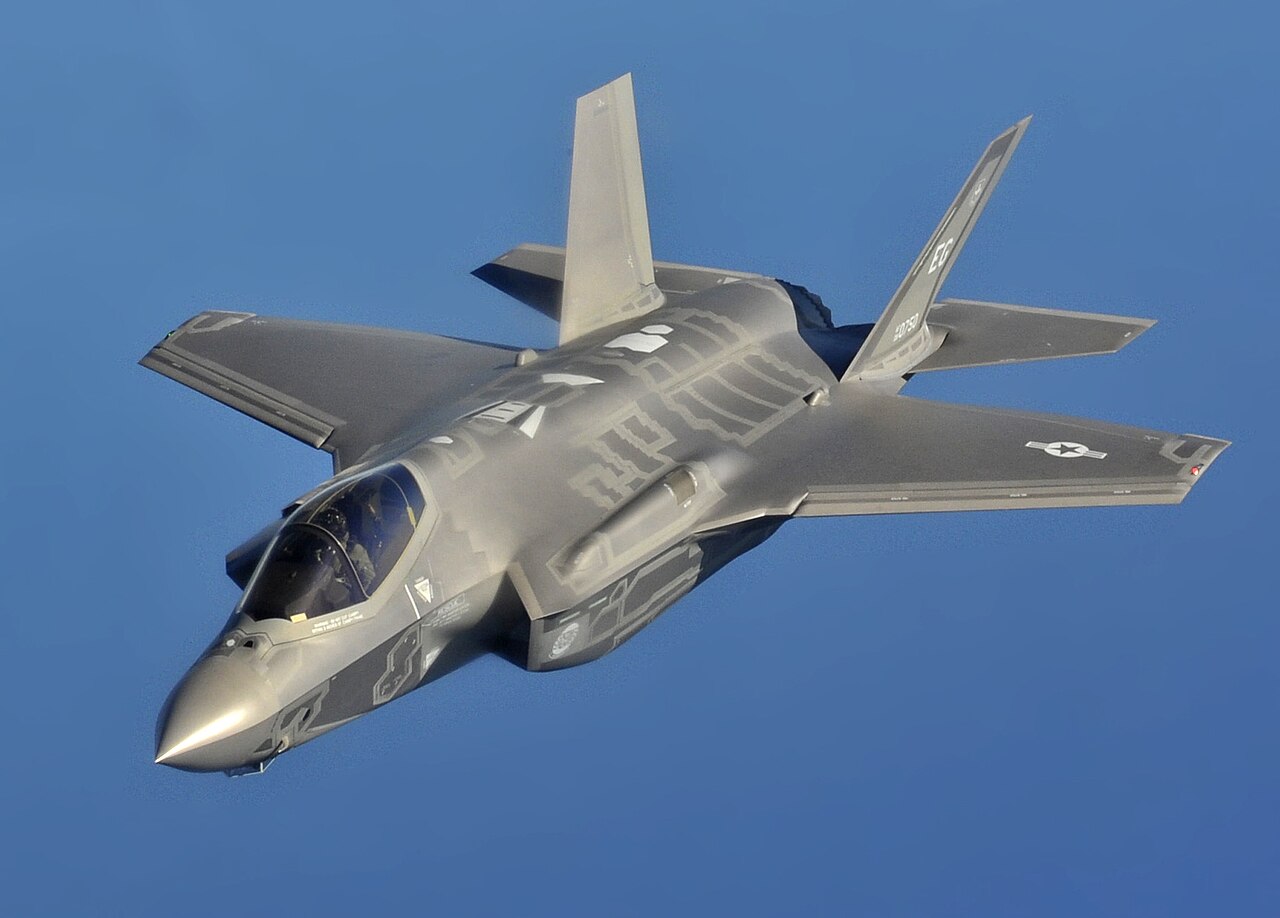
The biggest defense companies of 2026 are richer than at any point since the Cold War: Lockheed Martin leads on roughly $70 billion of pure defense revenue, and rearmament from Kyiv to the Pacific has pushed every name below it to record backlogs. Ranked here by latest reported defense revenue, with the caveat the category deserves.
How this ranking works
| Rule | Detail |
|---|---|
| Metric | Defense-segment revenue, latest full year reported (2024-2025), company disclosures |
| Scope | Companies with transparent reporting; China’s NORINCO, AVIC and peers likely belong high on any true list but publish opaquely, see the note below |
| Coverage | Israeli-headquartered firms fall outside this site’s scope |
| Currency | Converted to US dollars at reporting-period rates, rounded |
1. Lockheed Martin, ~$70B
F-35, missiles and space keep Lockheed untouchable at the top, with munitions lines, JASSM, GMLRS, PAC-3, quadrupling under demand no peer matches.
2. RTX, ~$42B defense
RTX’s Raytheon and Collins defense books, Patriot, SM-family, AMRAAM, ride the air-defense supercycle; the commercial-aero half cushions the whole.
3. Northrop Grumman, ~$42B
B-21, Sentinel and space give Northrop the richest classified mix in the industry, nearly all of its revenue defense-pure.
4. General Dynamics, ~$34B defense
Submarines are the crown jewels, Columbia and Virginia backlogs measured in decades, with Abrams and munitions beside Gulfstream’s civilian ballast at GD.
5. BAE Systems, ~$33B
Britain’s champion spans AUKUS submarines, Typhoon work, US land systems and munitions; BAE’s order book passed £70 billion on European rearmament.
6. Boeing Defense, ~$32B
Volume despite the bruises: KC-46 and T-7 fixed-price wounds heal slowly, but F-15EX, munitions and the F-47 award reset the defense unit’s trajectory.
7. L3Harris, ~$21B
The self-styled sixth prime: sensors, comms and, via Aerojet, the solid-rocket motors every missile maker queues for, L3Harris’s chokepoint asset of the decade.
8. Rheinmetall, ~$12B and climbing fastest
Europe’s shell-and-vehicle surge made Rheinmetall the ranking’s rocket: revenue doubling across three years, 155mm output toward 1.5 million rounds, Skyranger and Panther lines sold out.
9. Airbus Defence and Space, ~$13B
Eurofighter, A400M, tankers and Europe’s satellites anchor Airbus’s defense arm, with FCAS and drone-wingman work carrying the next decade’s bet.
10. Thales, ~$12B defense
Radars, electronic warfare, air defense and naval systems put Thales inside nearly every European program; its sensors ride ships and jets it never prime-contracts.
The names crowding the door
#”>Anduril‘s $2 billion-plus revenue foreshadow the first startup entry within the decade. The boom’s deepest truth sits below the logos: every company here is constrained not by demand but by the same propellant, castings and workforce bottlenecks, which is why rankings now move on production, not press releases.
The Backlog Tells the Real Story
Annual revenue measures the past, but backlog measures the decade ahead, and by that yardstick the industry has never been busier. The ten firms in this ranking collectively sit on order books worth well over half a trillion dollars, with Lockheed Martin’s backlog alone exceeding $170 billion and RTX reporting company-wide obligations above $200 billion. European members are growing fastest of all, as Rheinmetall’s orders have multiplied severalfold since 2022.
Backlogs of that scale change corporate behavior. Firms that spent the 2010s returning cash to shareholders are now spending on factories, from new artillery plants in Germany to solid rocket motor lines in the American South, because the constraint on revenue is no longer demand but the physical capacity to deliver. The companies that convert backlog to output fastest will define the next edition of this list.
Where the Next Decade’s Growth Comes From
Three currents will reshuffle these rankings before 2030. Europe’s rearmament is the largest, with NATO members committed to spending levels that structurally favor Rheinmetall, BAE Systems, Thales and Airbus. Second is the munitions replenishment supercycle, as Western stockpiles drawn down for Ukraine are rebuilt to wartime depths, a business that rewards whoever industrializes fastest rather than whoever owns the most elegant design.
The third current is the sixth-generation fighter programs, GCAP among Britain, Italy and Japan and FCAS among France, Germany and Spain, plus the American F-47 and F/A-XX efforts. These decades-long franchises will anchor whichever primes win them, just as the F-35 anchored Lockheed Martin’s two decades at the top of this table.
Frequently asked questions
What is the biggest defense company in the world?
Lockheed Martin, at roughly $70 billion of defense revenue, ahead of RTX and Northrop Grumman.
Why are Chinese companies not ranked?
NORINCO, AVIC and peers report opaquely; credible estimates would place them top-five, noted here rather than falsely precised.
Which company is growing fastest?
Rheinmetall among majors, on Europe’s ammunition and vehicle surge; Hanwha and defense startups pace it from below.
Are these figures total or defense-only revenue?
Defense-segment revenue where companies separate it, which is why RTX and GD rank below their total-revenue positions.
Could a startup enter this list?
On trajectory, yes; Anduril’s multi-billion revenue and factory buildout make it the likeliest first entrant.
- Company annual reports and segment disclosures (2024-2025)
- Defense News Top 100 methodology as cross-reference
- Defence & Tech company profiles linked throughout