Airbus Plans Unsolicited Eurofighter Bid for Portugal’s F-16s
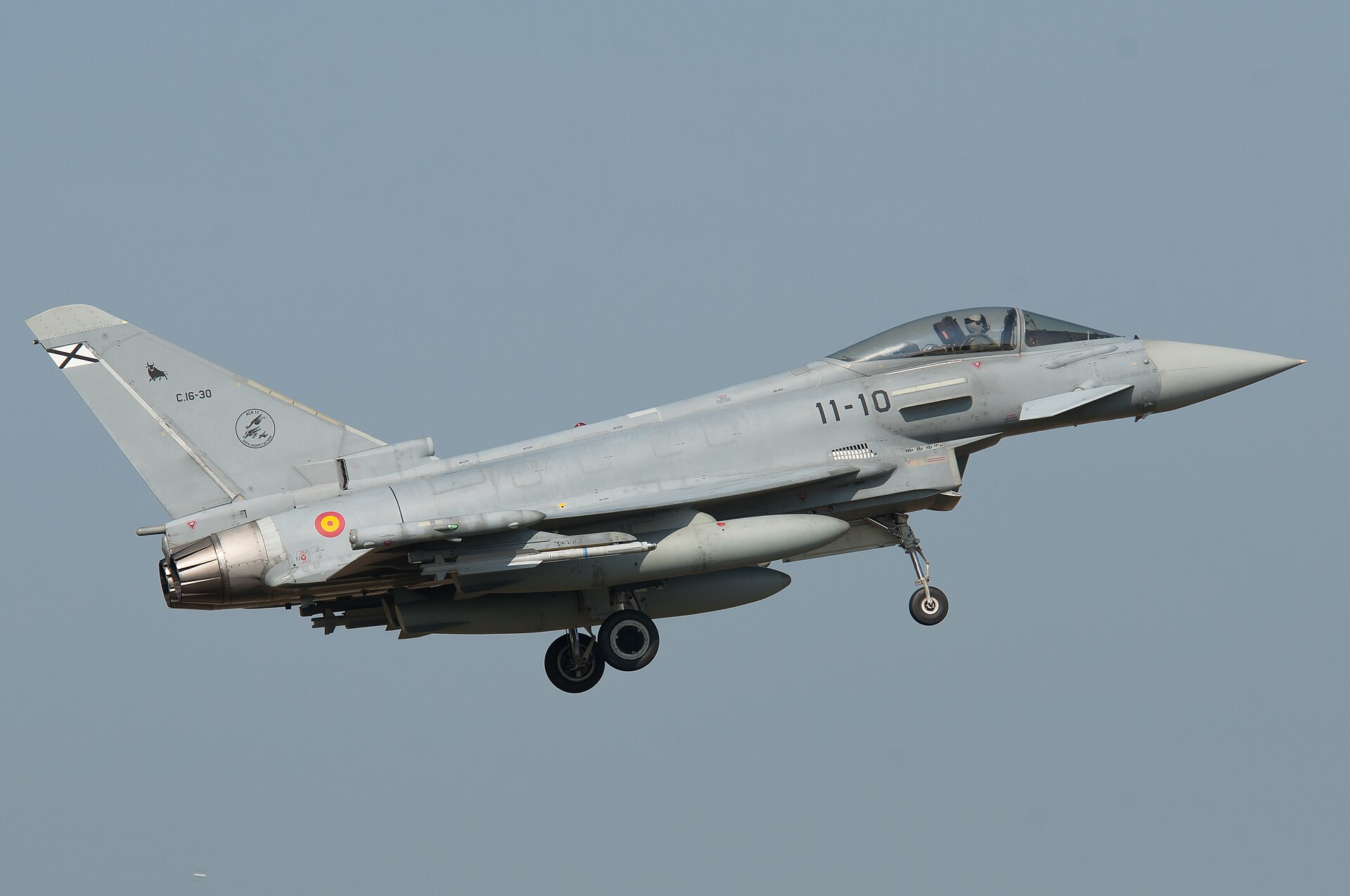
Airbus is preparing an unsolicited offer to sell Eurofighter Typhoon jets to Portugal, pitching the European fighter as a replacement for the Portuguese Air Force’s F-16s and a direct alternative to Lockheed Martin’s F-35A. The company plans to submit the proposal in late October or early November, before Lisbon has even launched a formal competition.
Iván González Expósito, who leads Airbus’s Eurofighter campaign for Portugal, said the aircraft is the best fit for the Portuguese Air Force’s core missions: airspace policing, NATO quick-reaction alert duty and national air defence. He contrasted this with the F-35, which he characterised as optimised for deep offensive operations, according to comments reported by Reuters and Spanish outlet Infodefensa.
What Airbus Is Offering
The offer is expected to go beyond the aircraft itself. Airbus has said the package will include public and private financing solutions intended to ease Portugal’s payment schedule, together with industrial participation for Portuguese companies and wider military cooperation.
Portugal currently flies 28 upgraded F-16M fighters, the backbone of its combat fleet for more than three decades. No tender has been issued to replace them, and no budget line has been formally approved. Previous planning for an F-35 buy was reported at around €5.5 billion over two decades, with first deliveries some seven years away.
The Eurofighter is built by a consortium of Airbus, BAE Systems and Leonardo. Airbus, which handles the German and Spanish work, would lead the Portuguese campaign given its industrial footprint on the Iberian Peninsula.
An Open Contest in All but Name
The Portuguese Air Force has previously leaned toward the F-35A. An internal technical assessment, using 20 criteria, reportedly ranked the Lockheed Martin jet first and Saab’s Gripen E second. Saab and Dassault Aviation, with the Rafale, are also understood to be interested, and the United States has actively lobbied for the F-35, with the American ambassador in Lisbon publicly urging Portugal to join the ranks of F-35 operators.
Political signals, however, have been more cautious. Defence Minister Nuno Melo has said that recent US positions within NATO require Portugal to reflect on its choices, arguing that the predictability of allies is an important factor in any long-term fighter decision. That debate mirrors discussions in several European capitals over dependence on US-controlled software, spare parts and mission data for the F-35.
Strategic Weight of a Small Air Force
Portugal’s fighter decision carries more weight than the size of its fleet suggests. The country anchors NATO’s Atlantic flank, and the Azores, home to Lajes Field, remain strategically important to both the United States and the alliance for transatlantic air mobility and maritime patrol.
Airbus’s move is the latest sign of European manufacturers competing aggressively for F-16 replacement programmes. The Typhoon has recently won fresh orders, including Germany’s Tranche 5 batch and Türkiye’s purchase of 20 new-build aircraft from the United Kingdom, extending production lines that were once expected to wind down. A Portuguese order would add another NATO user on Europe’s southwestern edge.
For Lisbon, the choice will balance technical preference, cost, financing terms and politics. The Air Force’s stated priorities are air policing and quick-reaction alert, missions the Typhoon already performs across NATO, while the F-35 offers stealth and sensor fusion that planners value for future high-end operations. With no tender yet, Airbus is betting that an early, financed offer will shape the terms of the competition before it formally begins.
What Comes Next
Airbus has not disclosed how many aircraft it will propose or which standard of Typhoon it will offer, though the latest production aircraft feature the ECRS Mk1 electronically scanned radar and improved defensive aids. Any decision is likely to be some way off: Portugal must still define its requirement, secure funding and decide whether to run a competitive tender or a government-to-government purchase. In the meantime, the F-16M fleet will continue to carry Portugal’s air policing duties, including periodic NATO deployments to the Baltic and Iceland.
Sources
- Infodefensa – Airbus to present unsolicited Eurofighter offer to Portugal
- Reuters reporting on statements by Airbus Eurofighter campaign director Iván González Expósito, September 2026
- Defence Industry Europe – Financing-backed Eurofighter bid for Portugal