

Ethiopia Expands Domestic Drone Production Amid Fano War

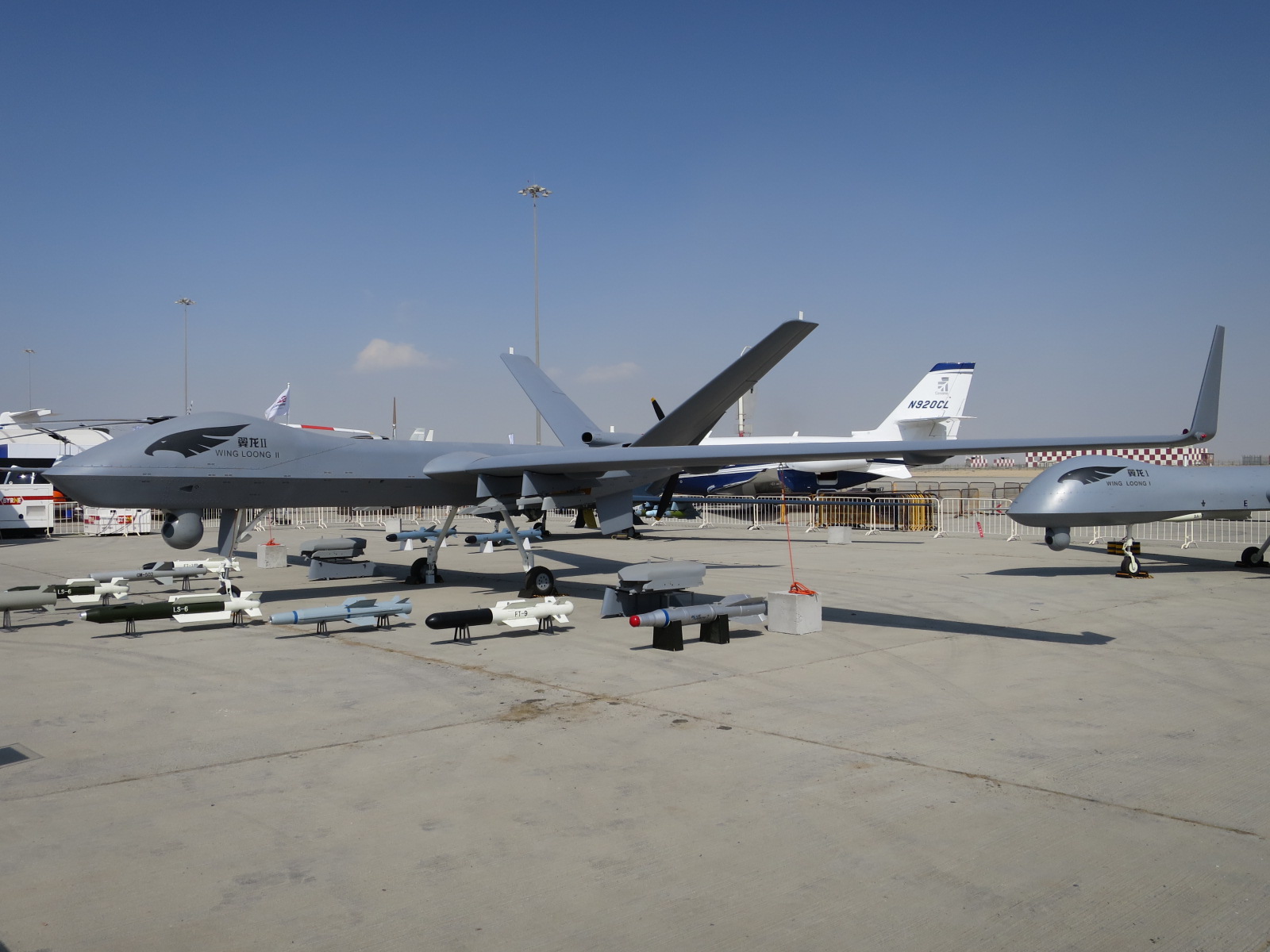
Ethiopia is scaling up its domestic drone-manufacturing base, running two state-linked factories and fielding a mixed fleet of homemade and imported unmanned aircraft as federal forces continue years-long counterinsurgency campaigns in the Amhara and Oromia regions. Prime Minister Abiy Ahmed’s government says the buildup is meant to deter conflict; independent monitors say the same drones have repeatedly been linked to civilian deaths.
What Happened
Addis Ababa has confirmed it now operates two domestic drone plants: SkyWin Aeronautics Industries, inaugurated by Abiy in Addis Ababa in March 2025, and a second facility, Aeroabay, which opened later in 2025. Officials and independent analysts estimate Ethiopia’s combined drone inventory — domestically built and imported — now runs into the thousands of airframes, though the government has denied foreign journalists access to the SkyWin site and has not published verified production or export figures.
Abiy has framed the expansion as defensive rather than offensive, saying the goal is “not to fuel conflict, but to prevent it” through deterrence. But the drones are already in active use. The Armed Conflict Location & Event Data Project (ACLED) has recorded 102 drone strikes by federal forces in Amhara region since the Fano insurgency began in April 2023, and monitoring groups say strikes have also continued this year in Tigray — at least 14 in 2026, seven of them in August alone. A strike on the town of MyShumet on September 8, 2026 reportedly killed three people and wounded four, according to local reporting cited by regional outlets.
International Crisis Group analyst Magnus Taylor said drones “had been blamed for civilian deaths on several occasions,” while TPLF Vice President Amanuel Assefa accused federal forces of using drones to spread fear and target political and military figures as well as civilian infrastructure. Risk consultancy Verisk Maplecroft has separately noted that recent strikes on weapons depots point to preparations for a possible federal offensive.
The Product/System
SkyWin Aeronautics Industries is structured as a government-owned defense enterprise organized into aerostructures, defense, mechanical systems, mission systems and power-and-controls divisions, and it markets itself as a dual-use manufacturer building airframes for agriculture, surveillance and infrastructure monitoring alongside reconnaissance and strike roles. Among the platforms shown publicly is a model designated SW01, which Janes analyst Jeremy Binnie said closely resembled a commercially available Chinese airframe — an indication that Ethiopia’s “indigenous” production may lean heavily on off-the-shelf Chinese components and designs rather than a from-scratch domestic design.
Stockholm International Peace Research Institute researcher Pieter Wezeman cautioned that seeing drones on display at a factory reveals little about a country’s real production throughput, and outside experts widely regard Ethiopia’s manufacturing-capacity claims as unverified. Alongside the SW01, Ethiopia has also fielded cheaper first-person-view (FPV) attack drones, which PAX researcher Wim Zwijnenburg said typically cost between $5,000 and $10,000 per unit — a price point that lets the military expend units in large numbers against insurgent formations.
Who Uses It
Only Ethiopia’s federal military operates military drones inside the country; Fano and other non-state armed groups have no confirmed drone capability of their own. Ethiopia’s air arm has repeatedly used its fleet against insurgents in Amhara since 2023 and, more recently, in renewed operations tied to Tigray and Oromia. The government has not disclosed any confirmed export customers for SkyWin-built airframes, despite Abiy’s stated ambition to sell Ethiopian-made drones abroad; SIPRI and other trackers say there is no independent verification of any completed export sale to date.
Export/Procurement History
Ethiopia’s domestic push follows — and still runs alongside — years of drone imports that shaped the current force. Turkish Bayraktar TB2s were decisive during the 2020-2022 Tigray war, helping federal and allied forces halt a Tigrayan advance that had come within roughly 200 kilometers of Addis Ababa; Ethiopia has since added the larger, more capable Bayraktar Akinci to its inventory. Chinese Wing Loong drones were also used extensively during that conflict, and Ethiopia has reportedly reached a broader agreement with China covering weapons-technology transfer, capacity building and joint production of military equipment, including the acquisition of stealthier CH-7-type airframes. Iranian Mohajer-6 drones round out the imported fleet, used alongside Turkish and Chinese types in operations across Oromia and Amhara.
Beyond drones, Ethiopia’s wider defense-industrial expansion includes the Homicho Ammunition Engineering Complex, and officials have said the country generated roughly $30 million from ammunition exports over a recent three-month period — evidence the government is trying to build a self-sustaining arms-export sector, not just a domestic-use drone program.
Global Competitors
Ethiopia’s approach mirrors a broader African trend of states building or expanding domestic UAV manufacturing rather than relying solely on imports. Nigeria’s TerraHaptix facility in Abuja has a stated capacity of roughly 10,000 units a year, and Ethiopia and Nigeria have discussed UAV co-production. South Africa, Algeria, Morocco, Kenya and Tunisia are among the other African states now producing military drones domestically, though North African buyers — Egypt, Morocco and Algeria — still dominate the continent’s overall procurement volumes, according to industry trackers. China, Turkey and Israel remain the dominant external suppliers to African militaries, together accounting for an estimated 60 percent of the continent’s imported drones.
Why It Matters
Ethiopia’s drone buildup illustrates how quickly attritable, low-cost UAV and FPV technology has spread beyond established defense-industrial states into Africa’s internal conflicts, often outpacing independent oversight of how these systems are actually used. With ACLED and human-rights monitors already tying dozens of strikes to civilian harm in Amhara, and with Ethiopia’s relationship with Eritrea remaining tense following Eritrea’s exclusion from the 2022 Tigray peace process, an expanding and increasingly domestically produced drone fleet raises the stakes for any future escalation — whether against Fano, in Oromia, or beyond Ethiopia’s borders.
What Happens Next
Ethiopia has not confirmed a timeline for verified export sales of SkyWin- or Aeroabay-built drones, and analysts say real production capacity remains unconfirmed pending independent access to the facilities. Continued ACLED and Addis Standard monitoring of strike patterns in Amhara, Oromia and Tigray will likely determine whether international scrutiny of Ethiopia’s drone use intensifies, particularly if strike tempo keeps climbing into the final months of 2026.
FAQ
What is SkyWin Aeronautics Industries?
It is a government-owned Ethiopian drone manufacturer, inaugurated in March 2025 in Addis Ababa, building UAVs for both civilian and military use.
What drones does Ethiopia’s military use against Fano?
Ethiopia’s federal forces have used Turkish Bayraktar TB2 and Akinci drones, Chinese Wing Loong airframes, Iranian Mohajer-6 drones, and domestically built platforms including the SW01 and lower-cost FPV attack drones.
How many drone strikes has Ethiopia carried out in Amhara?
ACLED has recorded 102 drone strikes by federal forces in Amhara region since the Fano insurgency began in April 2023.
Has Ethiopia exported any SkyWin-built drones?
No independent verification of completed export sales exists; outside analysts, including SIPRI, say Ethiopia’s export and production-capacity claims remain unconfirmed.
Is Ethiopia’s drone program linked to China?
Yes — Ethiopia has reportedly secured an agreement with China covering weapons-technology transfer, capacity building and joint military production, including CH-7-type stealth drone acquisition, and a Janes analyst has said Ethiopia’s SW01 design resembles a commercially available Chinese model.
Sources
- AFP, syndicated as “Ethiopia Boosts Drone Production to Fight Rebels,” Capital Ethiopia, September 13, 2026 — capitalethiopia.com — primary wire report with PM quote, factory details and drone models.
- “Ethiopia Expands Domestic Drone Production As Conflicts Persist Across Regions,” allAfrica, September 9, 2026 — allafrica.com — expanded version with named analyst quotes (SIPRI, Janes, PAX, ICG, TPLF, Verisk Maplecroft) and ACLED/casualty statistics.
- “Ethiopia builds domestic drone fleet following decisive use of Turkish UAVs in civil war,” Turkish Minute, September 8, 2026 — turkishminute.com — historical context on Tigray-war drone use.
- “Ethiopia expands defence capabilities with homemade drones,” NTU-SBF Centre for African Studies — ntu.edu.sg — details on China technology-transfer agreement and ammunition export figures.
- “SkyWin Aeronautics Industry,” Wikipedia — en.wikipedia.org — corporate structure and founding details.
Related coverage: TB2 Drones Reportedly Used in Rwanda-Backed DR Congo Strikes | Chinese CH-4 Combat Drones Appear at Chad’s Abéché Air Base | Bayraktar TB2: Turkey’s Combat-Proven Armed Drone That Changed Modern Warfare



[…] up domestic drone manufacturers SkyWin Aeronautics and Aeroabay to reduce reliance on imports (as Defense & Tech reported in detail on September 13). To date, only the federal military is confirmed to operate military drones inside Ethiopia; none […]