
Defense News Türkiye: 5 Strategic Developments Shaping the Future of the Armed Forces


 React
React
The Turkish defense industry continues its unprecedented expansion in 2026, transitioning from localized production to becoming a dominant global supplier. Driven by strict mandates for strategic autonomy, Ankara is rapidly advancing its next-generation aerial, naval, and integrated air defense platforms. Here are the top five developments currently dominating the Turkish defense agenda.
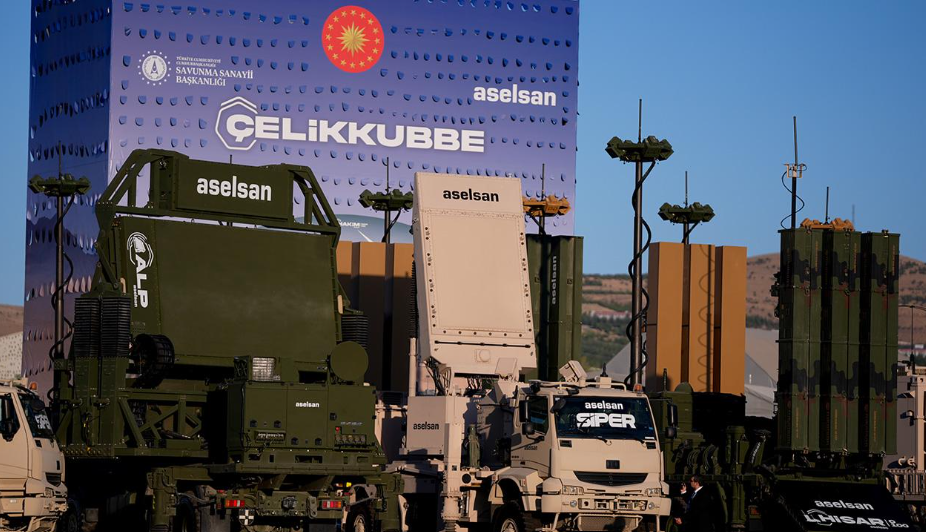
1. The “Steel Dome” (Çelik Kubbe) Integrated Air Defense Architecture Turkey is aggressively pushing forward with its “Steel Dome” project, a comprehensive, multi-layered national air defense network. Designed to completely eliminate reliance on foreign systems, the architecture seamlessly integrates the low-altitude KORKUT systems, medium-altitude HİSAR missiles, and the long-range SİPER interceptors. Supported by artificial intelligence and early warning radar networks, the Steel Dome aims to provide an impenetrable shield over Turkish airspace against ballistic missiles, cruise missiles, and drone swarms.
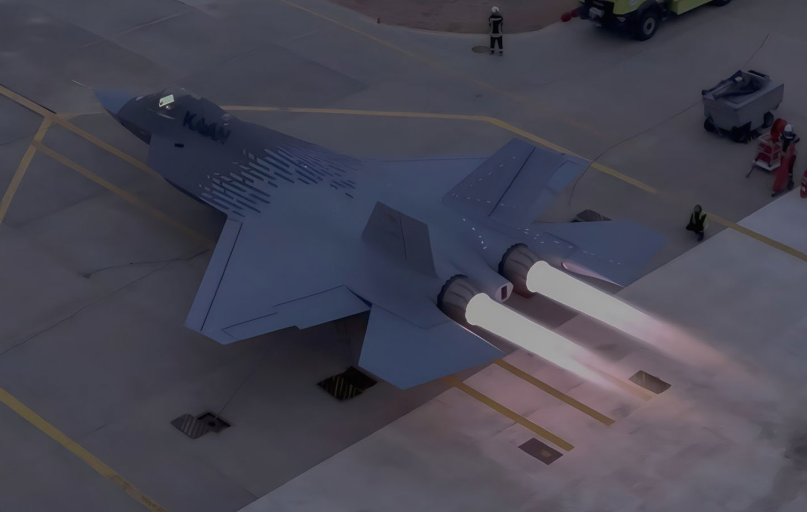
2. Advanced Flight Testing of the KAAN Fighter Jet The cornerstone of Turkey’s aerial modernization, the 5th-generation national combat aircraft KAAN, has entered a critical phase of advanced flight testing. The defense sector is heavily focused on the full integration of indigenous AESA radars, electronic warfare suites, and smart munitions into the platform. As development accelerates toward initial low-rate production, KAAN is poised to become the ultimate backbone of the Turkish Air Force, replacing the aging F-16 fleet.
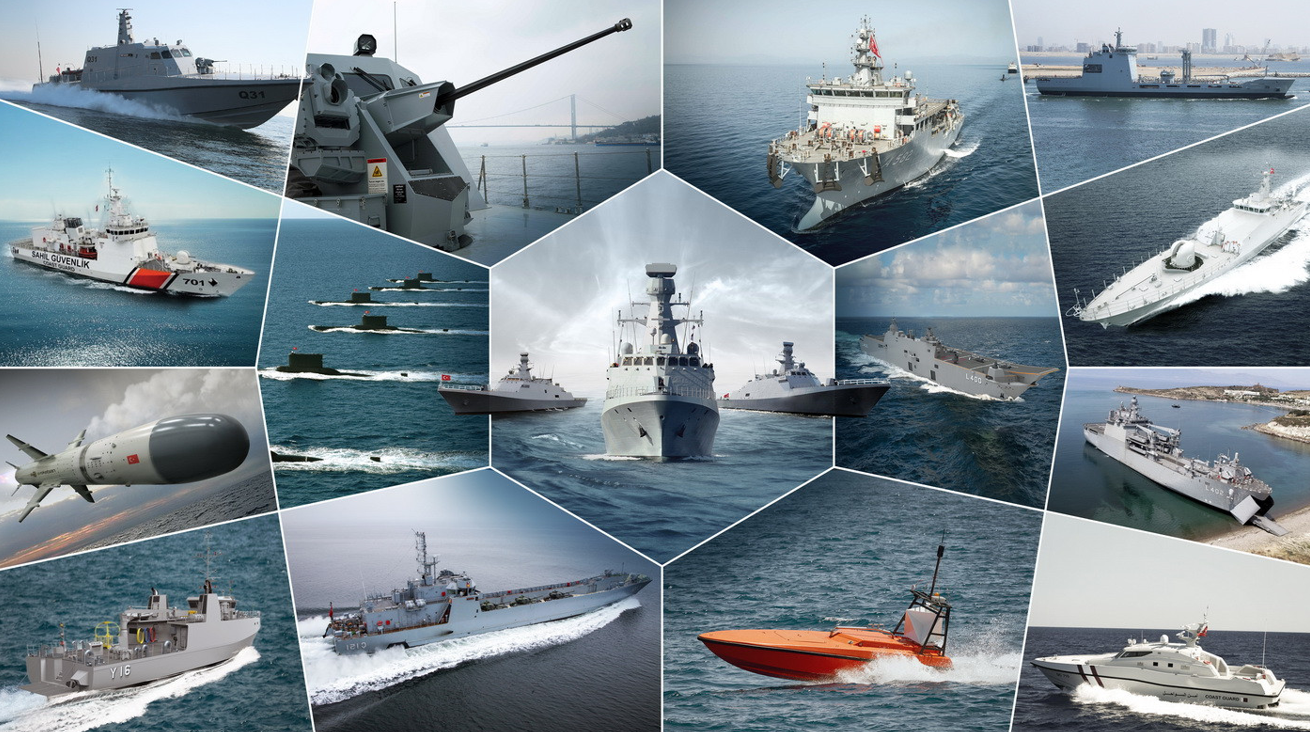
3. Naval Expansion and Strategic Deterrence The Turkish Naval Forces are rapidly expanding their operational radius and blue-water capabilities. The ongoing commissioning of the Reis-class air-independent propulsion (AIP) submarines is dramatically shifting the underwater balance of power in the Eastern Mediterranean and the Aegean. Simultaneously, the design and development of the TF-2000 air defense destroyer remain a top priority, ensuring the Navy can project power and protect maritime interests far beyond its coastal borders.
4. UCAVs and Deep Strike Capabilities in Complex Theaters Turkey’s dominance in unmanned combat aerial vehicles (UCAVs) is evolving into the autonomous era. The jet-powered Bayraktar Kızılelma and the flying-wing ANKA-3 are conducting highly complex system integration tests. These low-visibility, high-speed platforms are specifically designed for deep-strike missions, suppression of enemy air defenses (SEAD), and advanced reconnaissance. Their deployment is expected to redefine operational concepts, particularly in complex geopolitical arenas and counter-terrorism operations, such as those in northern Syria, where rapid shifts require adaptable and overwhelming force.
5. Record-Breaking Defense Exports and Global Pacts Beyond domestic procurement, Turkey’s defense sector is cementing its role as a geopolitical tool through record-breaking exports. The proliferation of Turkish-made land vehicles, naval corvettes, and tactical UAVs spans across NATO, Africa, and the Indo-Pacific. This export surge is not just economic; it is actively shaping bilateral defense pacts, facilitating technology transfers, and establishing long-term strategic alliances worldwide.
React