
Defense News UK: Britain Accelerates GCAP ‘Tempest’ Program and Autonomous Integration Amid Shifting Threat Landscape


 React
React
The United Kingdom’s defense industry is undergoing a rapid transformation, driven by an urgent need to modernize the Armed Forces and address evolving security threats in Europe and the Indo-Pacific. At the forefront of this strategic shift is the acceleration of the Global Combat Air Programme (GCAP) and a massive push toward integrating artificial intelligence into both aerial and naval combat platforms.
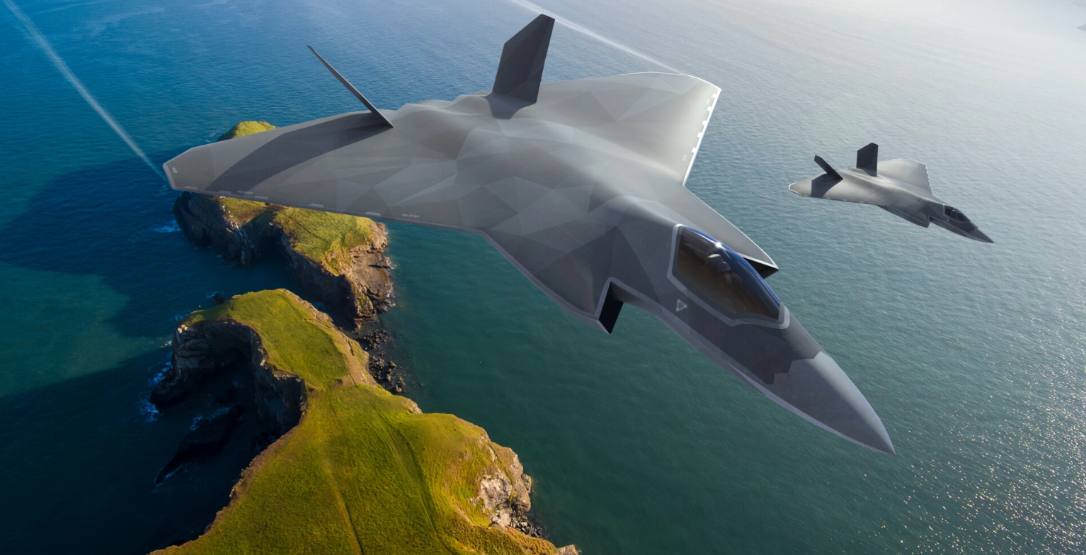
As the UK Ministry of Defence (MoD) realigns its strategic priorities to meet the target of spending 2.5% of GDP on defense, the British defense industrial base is ramping up production and research capabilities. The undisputed crown jewel of this modernization effort is the GCAP initiative, a trilateral partnership between the UK, Japan, and Italy aimed at delivering a sixth-generation stealth fighter, formerly known in the UK as Tempest, by 2035.
The GCAP Acceleration and ‘Loyal Wingman’ Drones
Recent developments within the UK’s defense sector indicate that BAE Systems, Rolls-Royce, Leonardo UK, and MBDA are fast-tracking the system integration phases of the GCAP. The MoD is moving beyond traditional manned platforms, heavily investing in the “system of systems” approach. This involves surrounding the future Tempest fighter with a network of autonomous “loyal wingman” drones.
These unmanned platforms, driven by advanced artificial intelligence, are being designed to act as force multipliers. They will fly alongside manned fighters to carry additional payloads, conduct high-risk reconnaissance, and overwhelm enemy air defense networks, fundamentally changing the Royal Air Force’s (RAF) operational doctrine.
Royal Navy’s Push for Autonomous Surface and Underwater Vehicles
The push for next-generation technology is not limited to the skies. The Royal Navy is aggressively expanding its uncrewed capabilities to maintain maritime dominance. Following the successful trials of various autonomous underwater vehicles (AUVs) and uncrewed surface vessels (USVs), British defense contractors are focusing on scaling these technologies for active deployment.
The integration of these autonomous maritime systems is designed to protect critical undersea infrastructure—such as communication cables and energy pipelines—while enhancing the Royal Navy’s anti-submarine warfare (ASW) capabilities without risking personnel in highly contested environments.
Strategic Autonomy and Export Potential
Beyond strengthening domestic security, the UK’s current defense industrial strategy is heavily geared toward boosting defense exports and cementing strategic alliances. The advanced manufacturing techniques, such as 3D printing and digital twin modeling currently being utilized in the GCAP and naval programs, are reducing development times and costs.
By leading these high-tech multinational defense projects, the UK aims to secure its position as a top-tier global defense exporter and ensure its military maintains a decisive technological edge for the coming decades.
React