
Defense News 5th Generation Fighter Jets

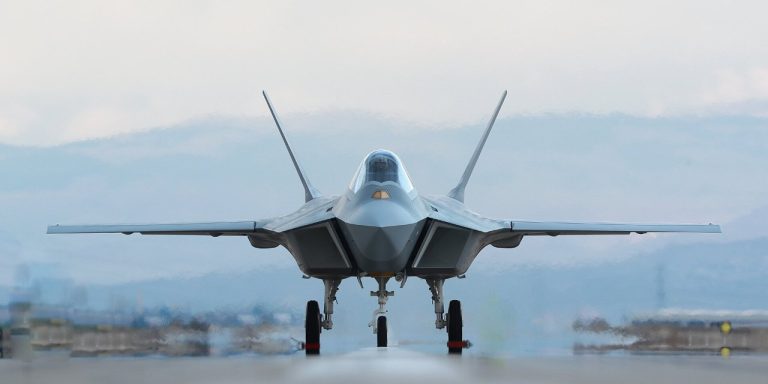
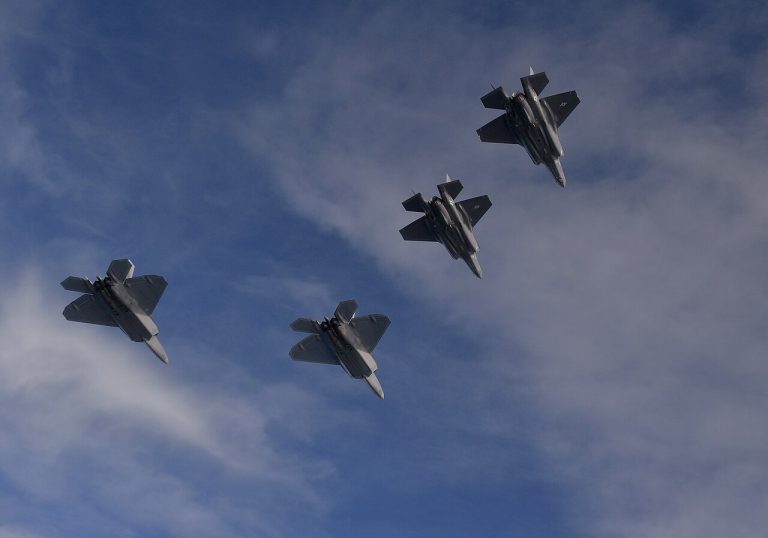
If you scroll through international defense news on any given day, one topic consistently dominates the headlines and geopolitical debates: 5th generation fighter jets. Whether it is the expansion of the American F-35 program, the rapid deployment of China’s J-20, or the ongoing development of national projects like Turkey’s KAAN, these aircraft represent the absolute pinnacle of modern military engineering.
But what separates a 5th generation fighter from the highly capable 4th generation jets (like the F-16 or F-15) that have ruled the skies for decades? For readers who want to truly understand the strategic shifts reported in daily defense news, it is essential to look beyond the sleek designs and examine the underlying technology that makes these aircraft the ultimate apex predators of the sky.
Introduction to Modern Aerial Warfare in Defense News
For decades, the philosophy of aerial combat was dictated by two primary factors: speed and maneuverability. In the era of dogfighting, the jet that could fly faster and turn tighter won the engagement.
However, modern warfare has fundamentally changed. Today’s air superiority is no longer about who can turn the fastest, but about who possesses information dominance. The core philosophy of a 5th generation fighter is “First Look, First Shoot, First Kill.” The goal is to detect the enemy, launch a missile, and exit the airspace before the adversary’s radar even registers a threat. This paradigm shift is the driving force behind the billion-dollar defense budgets frequently analyzed in global defense news.
The Triad: Stealth, Supercruise, and Sensor Fusion
While there is no single international treaty defining what makes a jet “5th generation,” defense analysts globally agree on three non-negotiable technological pillars:
1. Low Observability (Stealth Technology)
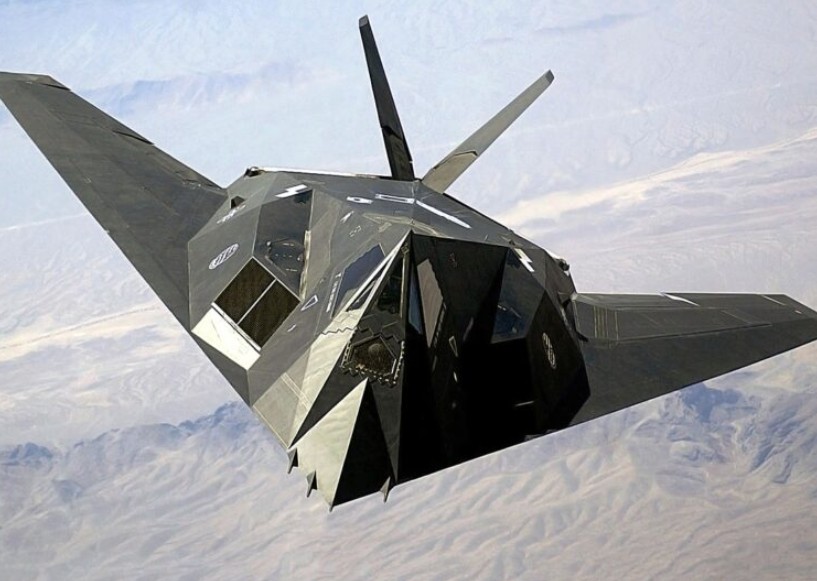
Stealth is not about being completely invisible; it is about drastically reducing an aircraft’s Radar Cross-Section (RCS) and thermal signature.
Design: 4th generation jets carry their weapons and fuel tanks under their wings, acting as massive reflectors for enemy radar. 5th gen fighters carry their payload inside internal weapons bays.
Materials: They are coated in highly classified Radar-Absorbent Materials (RAM) that soak up radar waves rather than bouncing them back. An F-35, for example, has an RCS roughly the size of a golf ball on enemy radar screens.
2. Supercruise Capability
Traditionally, for a fighter jet to break the sound barrier (supersonic flight), it must use afterburners. Afterburners dump raw fuel into the exhaust, creating a massive, highly visible heat signature that infrared-guided missiles can easily track. Furthermore, they drain fuel in minutes. True 5th generation fighters, like the F-22 Raptor, possess supercruise—the ability to fly at supersonic speeds for sustained periods without relying on afterburners, maintaining both their range and their thermal stealth.
3. Sensor Fusion (The Brain of the Operation)
If you read deep-dive analyses in defense news, you will often encounter the term “network-centric warfare.” Sensor fusion is what makes this possible. In older jets, pilots had to look at multiple different screens—one for the radar, one for the electronic warfare system, another for infrared sensors—and mentally piece the battlefield together. In a 5th gen fighter, a massive central computer processes all this data instantly, combining it into a single, cohesive tactical picture. The pilot no longer flies a plane; they manage a flying supercomputer that shares real-time target data with naval destroyers, ground troops, and allied drones.
How 5th Gen Programs are Shaping Global Defense Strategies
Understanding these technological leaps explains why 5th generation fighters are the ultimate geopolitical currency in modern defense news.
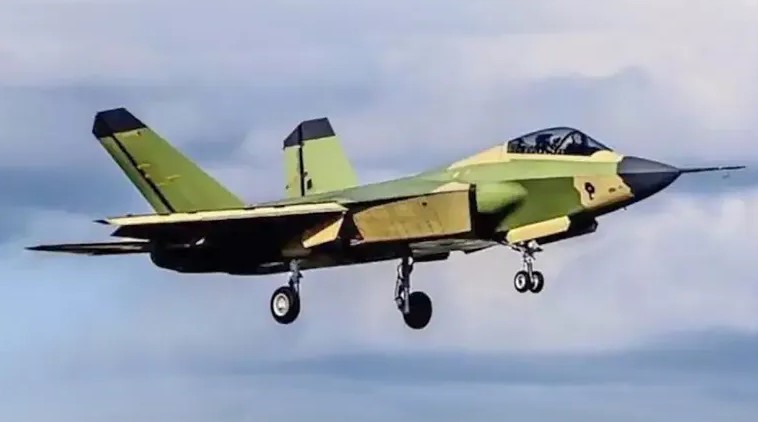
Acquiring a fleet of F-35s or developing an indigenous 5th gen platform is not just about upgrading an air force; it is about establishing regional deterrence. Nations that operate these aircraft can penetrate deep into heavily defended enemy airspace, neutralizing anti-access/area denial (A2/AD) bubbles that older jets simply cannot survive in.
As we look toward the horizon, the defense industry is already drawing up blueprints for 6th generation fighters (such as the US NGAD or the European FCAS programs), which will introduce AI-piloted “loyal wingman” drones. Until then, the mastery of 5th generation technology remains the critical dividing line between the world’s major military powers—and the undisputed focal point of global defense news.