
What is Biological Warfare? The History and Threat of Weaponized Pathogens


 React
React
When discussing Weapons of Mass Destruction (WMDs), the public imagination instantly turns to the blinding flash of nuclear warheads. However, defense intelligence agencies often lose far more sleep over a silent, invisible threat: Biological Warfare (BW).
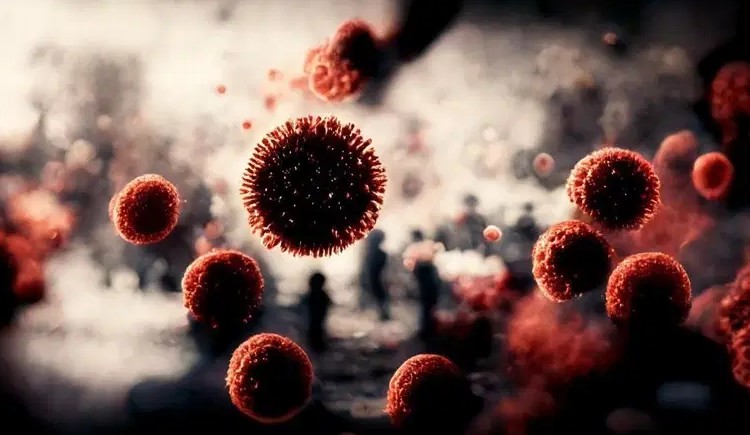
Unlike conventional kinetics that destroy infrastructure, biological warfare is the deliberate use of disease-causing biological agents—such as bacteria, viruses, fungi, or naturally occurring toxins—to kill or incapacitate humans, animals, or agricultural targets.
Because pathogens can reproduce, mutate, and spread through populations over time, a biological attack does not have a definitive “explosion.” It is a delayed-action weapon, making it incredibly difficult to detect until local hospitals are already overwhelmed.

The Dark History: Verified Examples of Biological Warfare
Biological warfare is not a modern invention; militaries have weaponized disease for centuries. Here are three historically verified, chilling examples of BW in action:
1. The Siege of Caffa (1346): The Early Origins During the siege of the Genoese port city of Caffa (modern-day Feodosia, Crimea), the attacking Mongol/Tatar army experienced a devastating outbreak of the Bubonic Plague. In a gruesome tactical move, the Tatar forces used trebuchets to catapult the plague-infected corpses of their own soldiers over the city walls. The resulting outbreak forced the Genoese to flee back to Italy via merchant ships, an event widely credited by historians as helping to spark the Black Death pandemic across Europe.
2. Unit 731 (World War II): Industrialized Atrocities The most horrific and documented application of modern biological warfare occurred under the Imperial Japanese Army’s covert “Unit 731” during WWII. Operating in occupied Manchuria, General Shirō Ishii’s unit conducted lethal human experimentation and developed industrialized bioweapons. They successfully dropped ceramic bombs filled with plague-infected fleas and grain over Chinese cities, including Changde and Ningbo. These attacks triggered massive localized bubonic plague outbreaks, resulting in the deaths of tens of thousands of Chinese civilians.
3. The Sverdlovsk Anthrax Leak (1979): The Cold War Accident During the Cold War, the Soviet Union maintained a massive, illegal bioweapons program known as Biopreparat. In April 1979, a worker at a secret military facility (Compound 19) in Sverdlovsk forgot to replace a crucial air filter. The exhaust system accidentally released a plume of weaponized, aerosolized anthrax spores into the wind. The resulting outbreak killed at least 66 people downwind of the facility. The Soviets blamed contaminated meat for decades until Russian President Boris Yeltsin finally admitted the truth in 1992, proving the lethal effectiveness of weaponized anthrax.
Modern Countermeasures and Biodefense
Due to the catastrophic potential of these weapons, the international community established the Biological Weapons Convention (BWC) of 1972, effectively banning the development, production, and stockpiling of biological agents for offensive use.
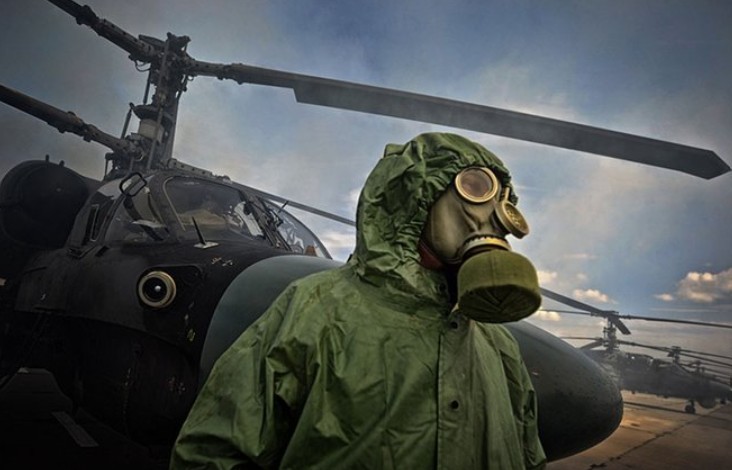
However, because rogue states and terrorist organizations may ignore treaties, modern militaries maintain strict CBRN (Chemical, Biological, Radiological, and Nuclear) defense protocols:
-
Environmental Surveillance: Modern military bases use advanced bio-sensors that continuously sample the air for unusual protein signatures or spikes in pathogen density, providing early warning of an invisible aerosol attack.
-
Physical Protection (MOPP Gear): Troops are equipped with Mission Oriented Protective Posture (MOPP) gear, including specialized hazmat suits and full-face respirators equipped with high-efficiency particulate air (HEPA) filters to block inhaled spores.
-
Medical Countermeasures: Governments stockpile vast reserves of broad-spectrum antibiotics, antivirals, and specific vaccines (such as the anthrax vaccine given to deploying soldiers).
-
Positive Pressure Infrastructure: Command centers and modern warships utilize “positive pressure” ventilation systems. By keeping the air pressure inside slightly higher than outside, contaminated external air is physically pushed away from the structure’s seals.
Ultimately, biological warfare represents humanity’s darkest application of science. The only true defense against it lies in a combination of relentless global intelligence, rapid-response epidemiology, and uncompromising international diplomacy.
React