
What is a Missile and How Does It Work? The Anatomy of Guided Weapons
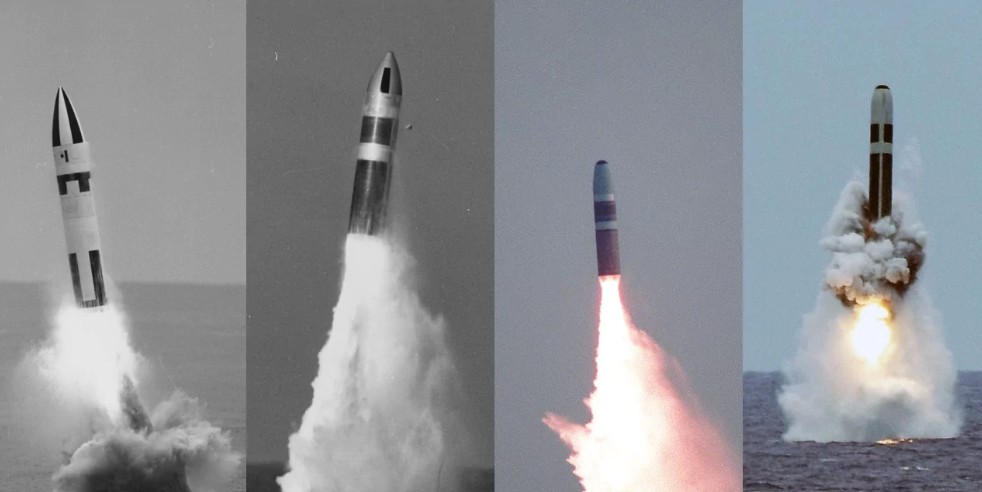
A missile is a self-propelled guided weapon designed to deliver an explosive payload to a predetermined target. Its operation involves a combination of propulsion, guidance, and control systems that enable precise navigation and impact accuracy. The anatomy of guided missiles typically includes components such as the warhead, propulsion system, and guidance mechanism, each contributing to the missile’s overall effectiveness. Understanding the complexities of these systems is essential for comprehending modern military capabilities and strategies. In modern defense reporting, the terms “rocket” and “missile” are often used interchangeably by the general public. However, in aerospace engineering, there is a distinct, critical difference: A rocket is a “dumb,” unguided projectile. Once fired, its trajectory cannot be altered.
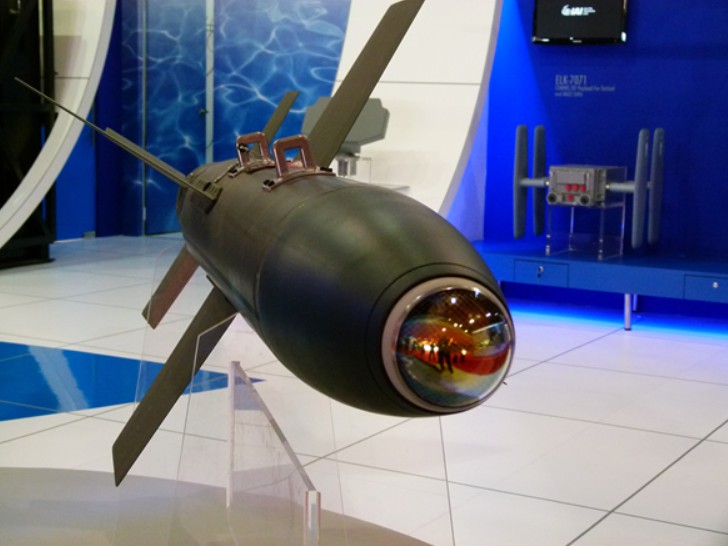
A missile, on the other hand, is a precision-guided munition. It is essentially an autonomous, supersonic robot designed to track, pursue, and intercept a target, dynamically altering its flight path in real-time.
To understand how a missile works, we must dissect it into its four fundamental subsystems: Guidance, Flight System, Propulsion, and Payload.
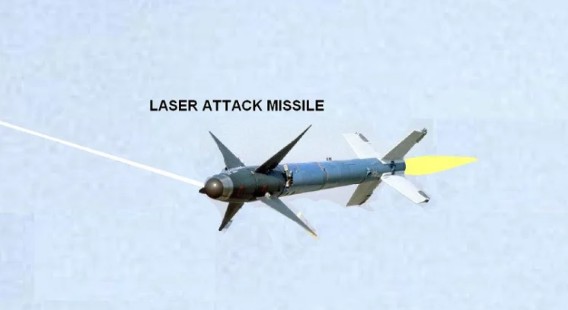
1. The Brain: The Guidance System (Seeker) The defining characteristic of a missile is its ability to find its target. Located at the very tip of the missile is the “seeker head,” which acts as the weapon’s eyes and brain. There are several types of guidance:
Infrared (IR) / Heat-Seeking: The sensor looks for the distinct thermal signature of an enemy aircraft’s engine exhaust (e.g., AIM-9 Sidewinder).
Radar Guided: The missile uses radio waves to paint the target. “Active” radar missiles have their own radar dish in the nose to hunt autonomously, while “Semi-Active” missiles rely on the launch aircraft or ground station to illuminate the target.
GPS/INS: Used for stationary ground targets, these missiles use a combination of Global Positioning System coordinates and Internal Navigation Systems (gyroscopes) to strike precise coordinates.
2. The Muscle: The Propulsion System To intercept a maneuvering target, a missile needs immense thrust.
Solid Rocket Motors: The most common propulsion type for air-to-air and surface-to-air missiles. They use a solid, rubbery chemical propellant that, once ignited, burns violently and cannot be turned off. It provides massive, instant thrust for supersonic speeds.
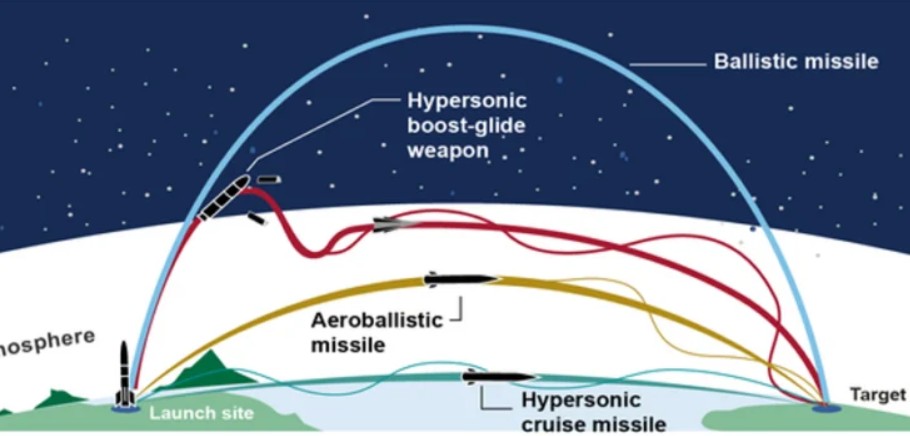
Jet Engines (Turbofans): Used primarily in Cruise Missiles (like the Tomahawk). Instead of carrying heavy oxidizers, they “breathe” oxygen from the atmosphere just like a commercial airliner, allowing them to fly efficiently at subsonic speeds for thousands of miles.
3. The Steering: The Flight System As the guidance system calculates where the target is moving, the flight system maneuvers the missile to intercept it. This is achieved through aerodynamic control surfaces (small fins or canards on the missile body) that pivot to change the airflow. Some highly advanced missiles also use Thrust Vectoring, where the exhaust nozzle of the rocket motor physically tilts, allowing the missile to execute extreme, high-G turns that would tear a manned aircraft apart.
4. The Punch: The Payload (Warhead) The ultimate goal of the missile is to deliver the payload. While nuclear warheads exist, the vast majority of conventional missiles use high-explosive fragmentation warheads. Interestingly, anti-aircraft missiles rarely “hit” the enemy plane directly. Instead, they use a Proximity Fuze—a small radar or laser that detects when the missile is within a few meters of the target. It then detonates the warhead, blasting a lethal cloud of shrapnel traveling at hypersonic speeds into the fragile enemy aircraft, shredding its engines and flight controls.
Conclusion From the moment it leaves the launch rail, a modern missile is a marvel of thermodynamics, aerodynamics, and advanced computing. It is a one-way, highly intelligent drone built for a single, devastating purpose.