
What is CENTCOM? The Architects of US Military Power in the Middle East


 React
React
Turn on any international news broadcast covering a drone strike in Syria, a naval interception in the Red Sea, or the deployment of a Carrier Strike Group to the Persian Gulf, and you will inevitably hear one acronym: CENTCOM.
But what exactly is CENTCOM, and why does this specific military organization possess so much authority over the geopolitical landscape of the Middle East?
The Core Concept: A Unified Combatant Command
To understand CENTCOM, one must first understand how the United States military is organized. The US Department of Defense divides the globe into geographic sectors, assigning a supreme military headquarters to oversee all operations within that specific region. These are called Unified Combatant Commands. There are 11 in total (such as EUCOM for Europe and INDOPACOM for the Indo-Pacific).
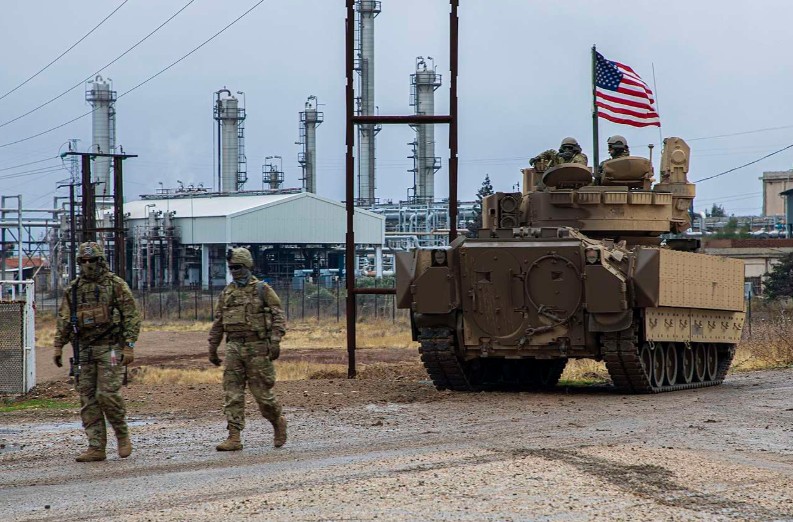
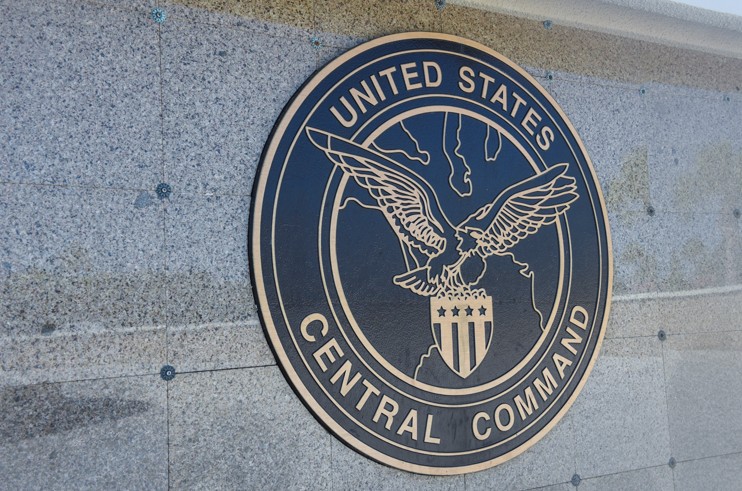
CENTCOM, which stands for United States Central Command, is the headquarters responsible for the “central” area of the globe. Established in 1983 in the wake of the Iranian hostage crisis, its creation acknowledged that the Middle East required a dedicated, full-time command structure to protect global energy supplies and counter regional instability.
While its primary headquarters is located at MacDill Air Force Base in Florida, CENTCOM maintains massive forward-deployed headquarters throughout the Middle East, most notably at Al Udeid Air Base in Qatar.
The Area of Responsibility (AOR): The World’s Powder Keg
A Combatant Command is defined by its Area of Responsibility (AOR). CENTCOM’s AOR encompasses 21 nations, stretching from Egypt in the west to Kazakhstan in the north, and down to Yemen and the waters of the Arabian Sea.
This specific geographic footprint makes CENTCOM arguably the most critical command on Earth. It oversees three of the world’s most vital commercial maritime chokepoints:
-
The Suez Canal: The gateway between Europe and Asia.
-
The Bab el-Mandeb Strait: The narrow corridor connecting the Red Sea to the Indian Ocean, a frequent flashpoint for asymmetric naval warfare.
-
The Strait of Hormuz: The transit point for nearly 20% of the world’s global oil consumption.
The Kinetic Command: A History of War
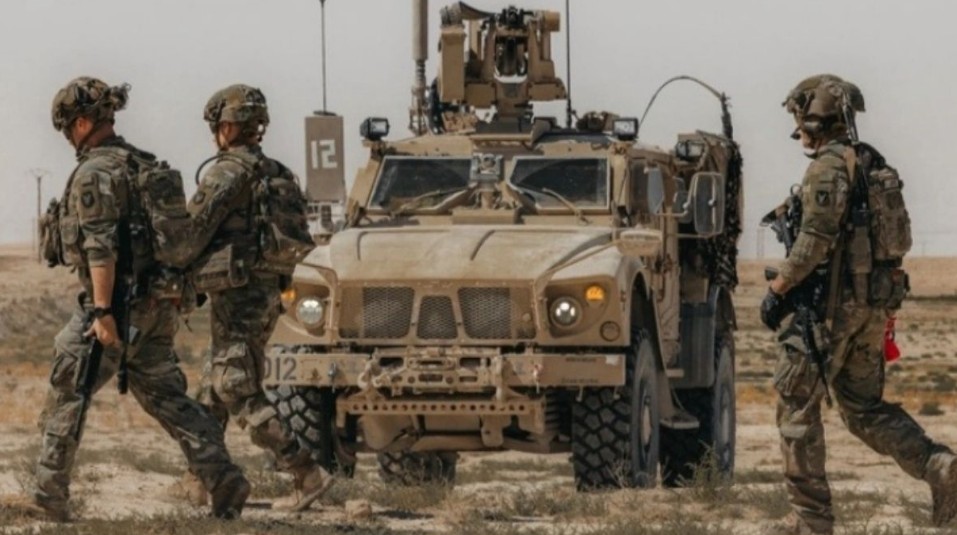
While other combatant commands focus heavily on deterrence and training exercises, CENTCOM has been defined by decades of active, kinetic warfare. Since its inception, CENTCOM has directed almost every major American military conflict, including:
-
Operation Desert Storm (The 1991 Gulf War)
-
Operation Enduring Freedom (The War in Afghanistan)
-
Operation Iraqi Freedom (The 2003 Invasion of Iraq)
-
Operation Inherent Resolve (The coalition to defeat ISIS)
-
Operation Prosperity Guardian (The ongoing naval defense against Houthi anti-ship missiles in the Red Sea).
How it Operates: The Component Commands
The Commander of CENTCOM (usually a four-star General) does not just command the Army; they command all branches of the US military operating within the AOR. To manage this massive force, CENTCOM is divided into specialized component commands:
-
ARCENT (Army Central): Manages ground troops, armor, and land-based missile defense systems like the Patriot and THAAD.
-
NAVCENT (Naval Forces Central): Based in Bahrain, it commands the US 5th Fleet, overseeing carrier strike groups and mine-clearing operations.
-
AFCENT (Air Forces Central): Directs the massive fleet of fighter jets, bombers, and reconnaissance drones patrolling the regional airspace.
-
MARCENT (Marine Corps Central): Oversees amphibious readiness groups and rapid-response expeditionary forces.
The Modern Mission
Today, CENTCOM is undergoing a massive strategic pivot. After two decades of focusing heavily on counter-terrorism and counter-insurgency, the command is returning to its roots: great power competition and regional deterrence. Its primary modern objective is building an integrated, multi-national air and missile defense architecture among its Arab allies to counter the asymmetric drone and ballistic missile capabilities of hostile regional actors, ensuring that the critical arteries of global trade remain open.
React