The TB2 Effect: How Autonomous Drones are Redefining “Middle Power” Diplomacy
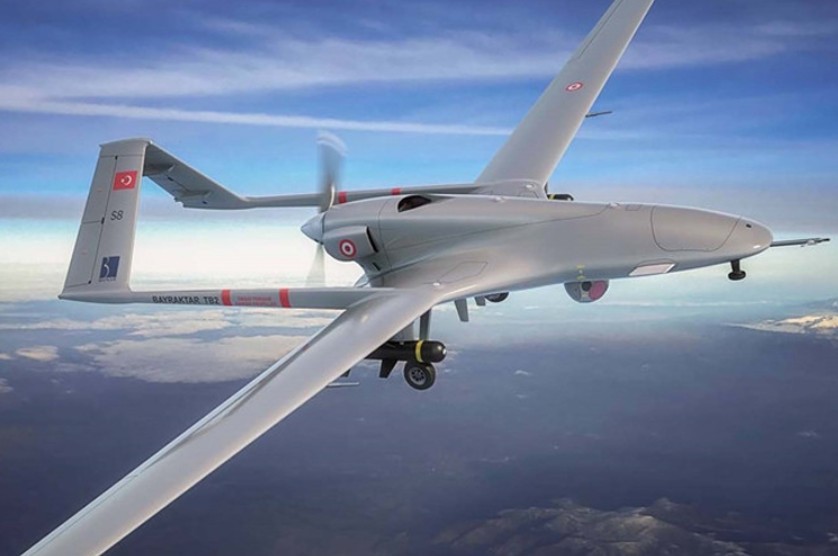
For over half a century, the unwritten rule of global geopolitics was simple: strategic influence was directly proportional to the size of a nation’s defense budget. Power projection meant deploying nuclear-powered aircraft carriers, maintaining vast fleets of fifth-generation fighter jets, and possessing intercontinental ballistic missile systems. This exclusive club of superpowers dictated the terms of international alliances.
Today, that paradigm has been permanently shattered.
The catalyst for this disruption isn’t a new weapon of mass destruction, but rather the advent of cost-effective, combat-proven autonomous systems. At the forefront of this revolution is a concept that is actively rewriting the rules of international relations: Drone Diplomacy.
The Renaissance of the “Middle Power”
To understand Drone Diplomacy, one must look beyond the kinetic impact of unmanned aerial combat vehicles (UCAVs) on the battlefield. While systems like Türkiye’s Bayraktar TB2 have undeniably altered the tactical realities of asymmetric warfare, their true power lies in their strategic application off the battlefield.
Historically, “middle powers”—nations with significant regional influence but lacking the economic bandwidth to compete with global superpowers—were forced to align strictly with either Washington, Moscow, or Beijing to guarantee their security. Drones have leveled this playing field. By offering a highly effective, asymmetrical defense capability at a fraction of the cost of traditional air forces, middle powers can now achieve robust deterrence independently. This technological democratization allows these nations to assert a sovereign foreign policy, untethered from the demands of traditional superpowers.
Beyond the Battlefield: Exporting Influence
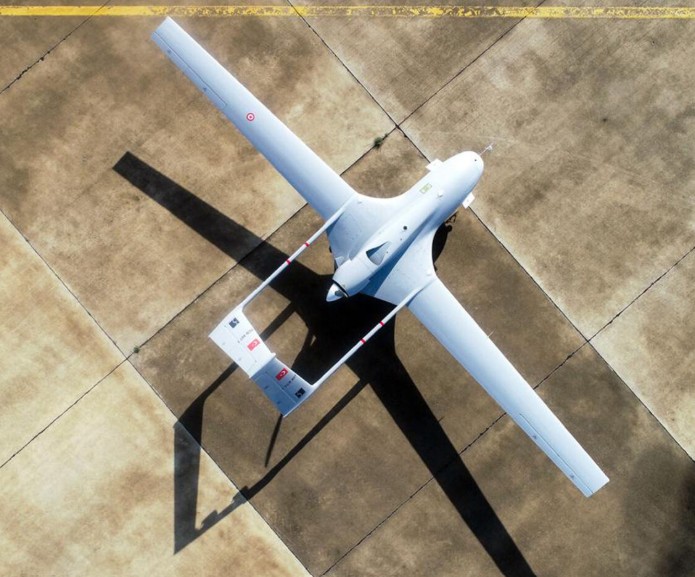
The most profound element of Drone Diplomacy is how the exportation of these systems functions as a powerful tool for alliance-building. When a nation exports a highly capable UCAV system, it is not merely selling hardware; it is exporting a comprehensive ecosystem of influence.
A drone procurement contract inherently includes years of specialized training, tactical doctrine exchange, maintenance supply chains, and software updates. This creates a deep, structural bond between the supplier and the buyer. Through the strategic sale of these systems, the supplier nation secures long-term geopolitical leverage, economic integration, and political alignment with the purchasing country. It is a modern, technological iteration of soft power, backed by hard, undeniable battlefield results.
The Turkish Paradigm: A Blueprint for the Future
The most striking and successful application of Drone Diplomacy in the 21st century has been executed by Türkiye. By developing an indigenous, highly reliable, and aggressively combat-tested drone program, Türkiye has transformed its defense industry into a premier instrument of statecraft.
From North Africa and the Caucasus to Eastern Europe, the strategic deployment and sale of Turkish UCAVs have fundamentally altered regional balances of power. In doing so, Türkiye has positioned itself as an indispensable security partner for nations looking to modernize their militaries without the heavy political strings traditionally attached to Western or Russian arms deals. This has allowed Ankara to project its geopolitical influence far beyond its immediate borders, establishing a vast network of defense-oriented alliances spanning multiple continents.
The New Geopolitical Architecture
The “TB2 Effect” proves that in the modern era, you do not need to be a superpower to reshape the geopolitical map; you simply need the right technology deployed with strategic vision.
As we look to the future, the integration of artificial intelligence and drone swarms will only accelerate this trend. The nations that master the development and diplomatic distribution of these autonomous systems will be the true architects of the mid-21st-century security environment. Drone Diplomacy is no longer an emerging concept; it is the new standard operating procedure for global statecraft.