
The Vertical Masterclass: Understanding the Modern Helicopter
GLOBAL AVIATION ANALYSIS — In the theater of modern operations, fixed-wing aircraft are the sprinters of the sky, but the helicopter is the ultimate decathlete. It is a machine that does not merely fly; it negotiates with gravity. As we navigate the complex security landscapes of 2026, the helicopter remains the most versatile asset in both civilian and military arsenals—a platform where engineering brilliance meets tactical necessity.
The Physics of Defiance: How the Rotor Rules
Unlike its fixed-wing counterparts that require forward momentum to generate lift, the helicopter moves the wings themselves. These “rotary wings” or blades create an airfoil effect that allows for the unique capability of Vertical Take-Off and Landing (VTOL). The mechanics of this flight are a delicate balance of four primary forces: lift, weight, thrust, and drag.
The true complexity lies in the pilot’s “dialogue” with the machine. Through the Collective Pitch Control, the pilot alters the angle of all blades simultaneously to manage altitude, while the Cyclic Control tilts the rotor disk to dictate direction. Perhaps most critical is the counter-torque mechanism—the tail rotor—which prevents the fuselage from spinning in opposition to the main blades, a practical application of Newton’s Third Law that ensures stability in the most volatile conditions.
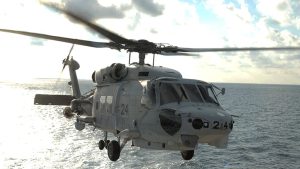
Versatility in a Multipolar World: Operational Domains
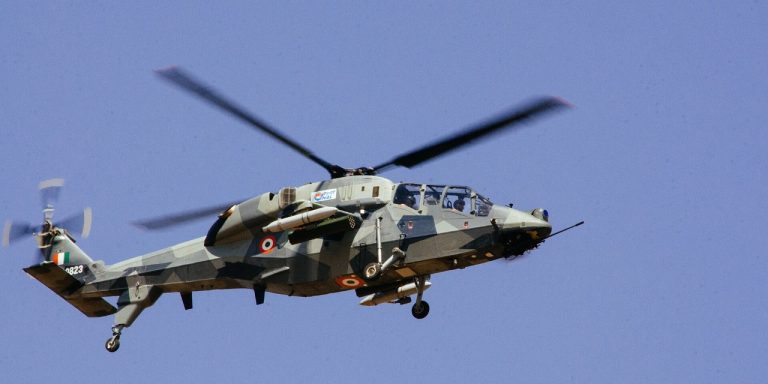
The helicopter’s value proposition is its ability to operate where runways do not exist. In the defense sector, platforms like the AH-64 Apache provide lethal close air support, while the UH-60 Black Hawk serves as the backbone of tactical troop insertion and MEDEVAC operations. These are not just transport vehicles; they are force multipliers that define the “Golden Hour” in emergency medicine and the “Rapid Response” in modern conflict.
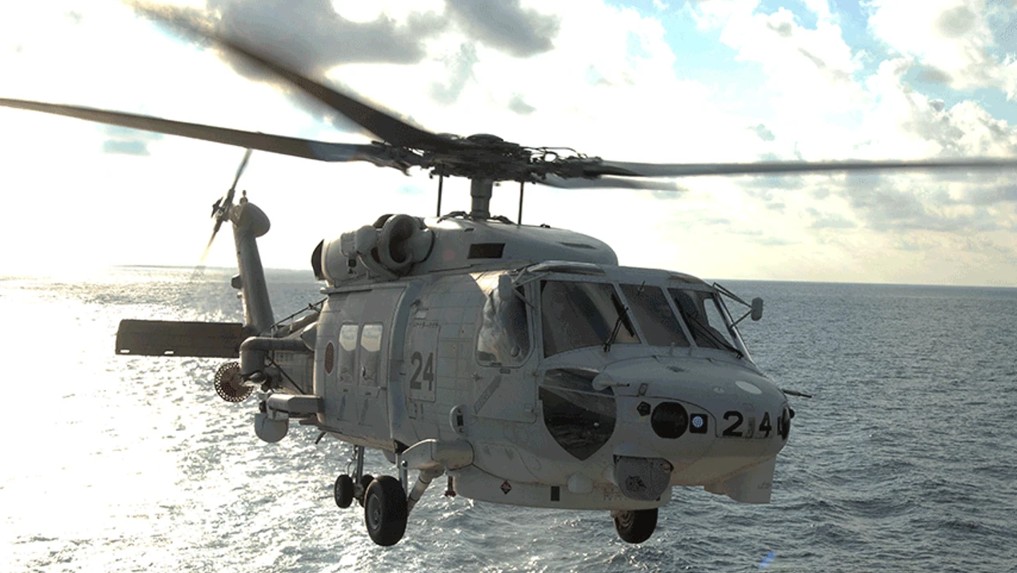
Beyond the battlefield, the helicopter is a linchpin of global infrastructure. From the high-stakes environment of maritime Search and Rescue (SAR) to the precision required in aerial firefighting and high-voltage power line maintenance, these machines perform tasks that are physically impossible for any other vehicle. They are the “eyes in the sky” for law enforcement and the swift hand of humanitarian aid during natural disasters.
The Industrial Landscape: A Competitive Global Ecosystem
The global helicopter market in 2026 is a sophisticated arena dominated by a select group of aerospace giants, yet it is increasingly being disrupted by emerging national programs. The “Big Six”—comprising Airbus Helicopters, Bell Textron, Boeing, Sikorsky (Lockheed Martin), Leonardo, and Russian Helicopters—continue to hold the lion’s share of the estimated 58,000 active units worldwide.
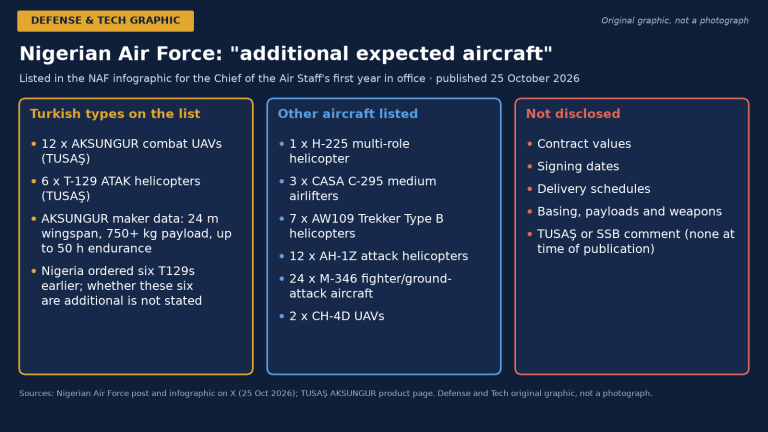
However, the narrative is shifting toward indigenous innovation. A prime example is the rapid ascent of TUSAŞ (Turkish Aerospace Industries). With the operational success of the T129 ATAK and the introduction of the multi-role T625 Gökbey, the industry is witnessing a transition where regional powerhouses are becoming global exporters, challenging the traditional Western and Russian hegemony in rotary-wing technology.
The Horizon: eVTOL and the High-Speed Revolution
We are currently standing at the threshold of “Vertical Flight 2.0.” The industry is pivoting toward hybrid propulsion and Electric Vertical Take-Off and Landing (eVTOL) aircraft. These platforms promise to revolutionize urban air mobility, offering quieter, greener, and more efficient transport for the cities of tomorrow.
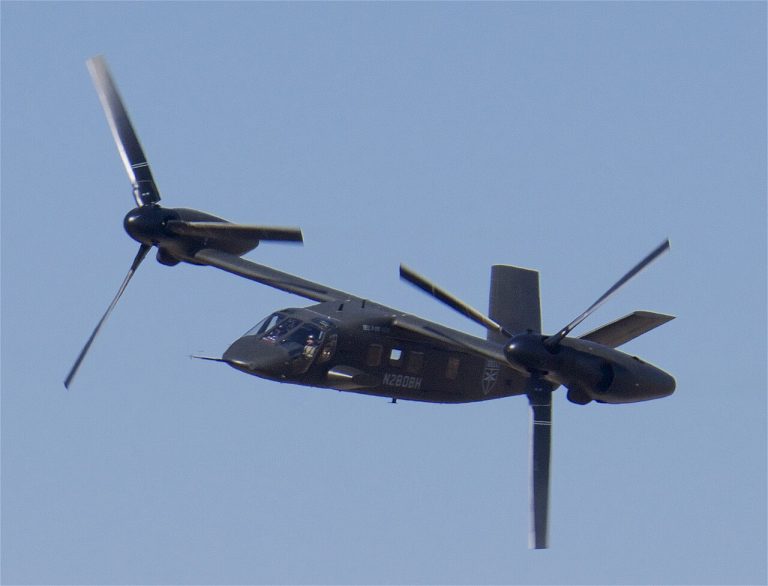
Simultaneously, the quest for speed is redefining military requirements. Future Long-Range Assault Aircraft (FLRAA) and high-speed compound designs are aiming to double the cruise speeds of traditional helicopters, ensuring that the rotary-wing platform remains relevant in an era of hypersonic threats and rapid-deployment doctrines.