Malaysia Picks Roketsan’s ATMACA to Replace Norway’s NSM on Its Littoral Combat Ships
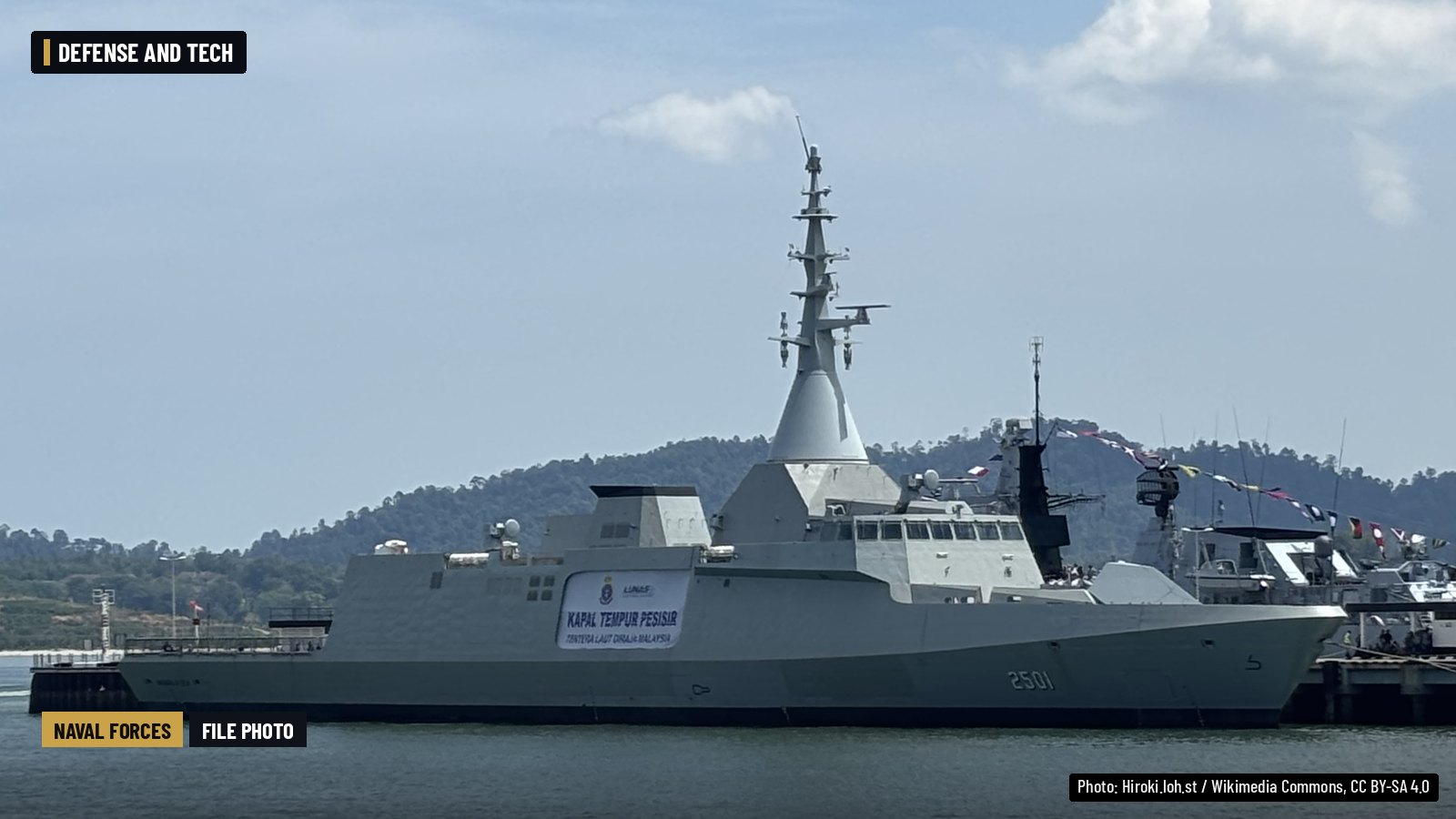
Malaysia has chosen Türkiye to supply a replacement for the Norwegian Naval Strike Missile (NSM) that was meant to arm the Royal Malaysian Navy’s Littoral Combat Ships. Defence Minister Datuk Seri Mohamed Khaled Nordin announced the decision on 12 November 2026 at a press conference after the Defence Ministry’s Innovation Day in Kuala Lumpur, according to the New Straits Times, the national news agency Bernama and The Star. The New Straits Times identifies the weapon as the ATMACA anti-ship missile made by Roketsan. The decision is a preferred-supplier choice, not a signed contract.
- Malaysia’s Defence Minister Mohamed Khaled Nordin said on 12 November 2026 that Türkiye is the preferred supplier of a replacement for the Naval Strike Missile (NSM) on the navy’s Littoral Combat Ships (LCS)
- Proposals from Türkiye, France and Italy were evaluated on price, delivery timeline and up-front cost
- Malaysia will now negotiate with the Turkish side; no contract has been signed
- The same missile is already on order for the Littoral Mission Ship Batch 2 (LMS B2) corvettes being built by STM in Istanbul
What the minister said
Khaled said the ministry had invited proposals from three countries, Türkiye, France and Italy, and judged the Turkish missile the best option on price, delivery timeline and the initial costs Malaysia would have to carry. Türkiye is now the only country Malaysia will negotiate with on the replacement, he said. The ministry has received assurances that the missile is compatible with the ships’ existing combat management system and can be integrated, but will examine this in more detail during talks with the Turkish company.
Malaysian reports differ on two of the figures he gave, and we show both. On range, the New Straits Times and The Star quote him as saying 250 km, while Bernama reports 240 km. On timing, Bernama and The Star quote him as saying the first missiles could arrive as early as 2028; the New Straits Times quotes him as saying “perhaps by 2029”, against 2035 if Malaysia had to start from scratch. All three agree on the reason: the same missile is already on order for the navy’s Littoral Mission Ships, so some rounds can be supplied earlier.
On cost, Khaled said a completely new missile purchase could cost RM700m to RM900m, but Malaysia will not need to spend that. He expects the extra spending to cover mainly launchers and integration with the LCS combat system. No price for the replacement deal was given.
Why Malaysia needed a new missile
Malaysia ordered NSMs from Kongsberg in 2018 for its six planned LCS frigates, a contract Kongsberg put at about €124m at the time (Reuters). Norway later revoked the export licences. Its foreign ministry said in May that sales of its most sensitive defence technology are now limited to allies and closest partners (AP). Malaysia says it had already paid about 95% of the contract value.
Khaled said on Thursday that Malaysia has accepted it will not receive the missiles. The first stage of the contract’s dispute process, amicable negotiation, ended without agreement; the ministry will now set up a dispute resolution committee with the company and, if that fails, go to arbitration, which the contract allows to be held in Kuala Lumpur. He said Malaysia would not wait for the outcome before arming the ships.
ATMACA and the Malaysian order book
ATMACA is a ship-launched anti-ship cruise missile developed by Roketsan for the Turkish Naval Forces under a programme run by Türkiye’s Defence Industry Agency (SSB). Malaysia already signed for it in April 2026: at the DSA 2026 exhibition the Defence Ministry announced a contract for 24 Roketsan surface-to-surface missiles worth RM369.3m for the LMS Batch 2 programme (New Straits Times).
Those three LMS Batch 2 corvettes are based on the Ada-class design and are being built in Istanbul by STM as prime contractor. STM says the first, Tunku Laksamana Abdul Jalil (141), was launched on 24 May 2026 and the second, Raja Laut (142), on 7 June 2026 (STM). The New Straits Times reported in April that the navy expects all three in October-December 2027. More on the shipbuilder in our STM company profile.
What it means
If talks succeed, the LCS and the LMS Batch 2 corvettes would share one anti-ship missile, which should simplify stocks, training and support for the Royal Malaysian Navy. For Roketsan it would be a second Malaysian programme for ATMACA, and it adds to Malaysia’s ties with Turkish industry, which already include STM’s corvettes and the ANKA-S drones from TUSAŞ. The open questions are the number of missiles and launchers, how quickly integration on the French-designed LCS combat system can be done, and the final cost. For how ATMACA compares with other weapons in its class, see our guide to the top anti-ship missiles. Defense and Tech will update this article when a contract is signed.