Slovak Special Forces Military Free-Fall Training Under Way at Turkey’s Çiğli Air Base
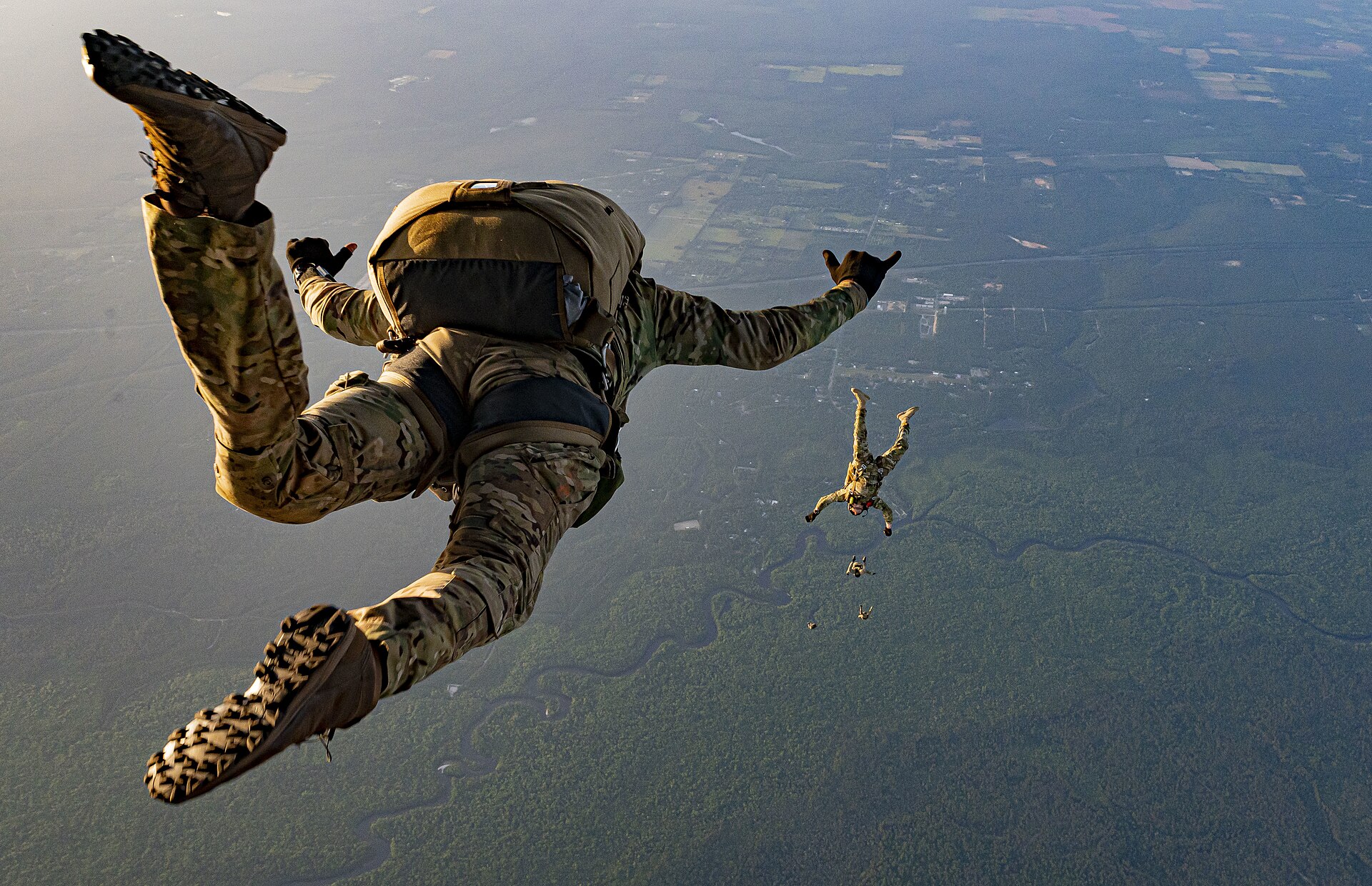
Slovak special forces military free-fall training is under way at a Turkish Air Force base in İzmir, where Slovak operators are carrying out high-altitude parachute jumps at night, with oxygen support and with full combat equipment, Turkey’s Ministry of National Defence said on its official X account on 23 October 2026.
- Host: Personnel Recovery Training Command, 2nd Main Jet Base, Çiğli/İzmir, Turkish Air Force
- Trainees: personnel of Slovakia’s Special Forces Command
- Content: high-altitude military free-fall jumps with night-vision goggles, weapons and equipment, oxygen support systems and container drops
- Announced by: Turkish Ministry of National Defence, 23 October 2026
What the Turkish Ministry of Defence announced
According to the ministry, the courses are being delivered by the Personnel Recovery Training Command, which is part of the 2nd Main Jet Base under the Turkish Air Force Command in Çiğli. The ministry said the programme for personnel of Slovakia’s Special Forces Command covers high-altitude jumps, jumps using night-vision goggles, armed and fully equipped jumps, descents using oxygen support systems and military free-fall jumps with containers.
The ministry did not disclose the number of Slovak personnel taking part, the duration of the course or the aircraft being used.
Why military free-fall skills matter
Military free-fall is a core insertion method for special operations forces. Jumping from high altitude and opening the canopy either late or early allows small teams to reach an objective with a lower chance of detection than a conventional static-line drop. Breathing oxygen is required at the altitudes typically used, while night-vision devices let jumpers navigate and land together in darkness. Container jumps let teams deliver extra equipment, such as communications gear, ammunition or medical supplies, alongside the parachutists.
These are among the most demanding parachute qualifications, requiring specialist instructors, aircraft time and safety infrastructure, which is why allies often share training capacity.
Turkey–Slovakia defence cooperation
Turkey and Slovakia are both NATO members, and joint training of this kind supports interoperability between allied special operations forces. The Çiğli-based command is the Turkish Air Force’s centre for personnel recovery and parachute training, and hosting foreign students allows Ankara to expand military-to-military ties while showcasing its training infrastructure.
The ministry’s announcement is the latest in a series of international training activities publicised by the Turkish Armed Forces with allied and partner nations.
Featured image: Senior Airman Harrison Winchell, U.S. Air Force / Public domain, via Wikimedia Commons