SPEAR 3 Missile Explained: The UK’s Mini Cruise Missile for the F-35B, Range and Seeker

Modern air defences make it dangerous for even stealth fighters to fly close to their targets. The UK’s answer is SPEAR 3, a small, turbojet-powered missile that lets an F-35B strike moving and fixed targets from more than 100 km away while staying hidden. Here is what makes it one of Britain’s most important new weapons.
- SPEAR stands for Selective Precision Effects At Range; developed by MBDA UK
- A turbojet-powered mini cruise missile in the 100 kg class
- Range of more than 100 km
- Tri-mode seeker: millimetre-wave radar, imaging infrared and semi-active laser
- Designed to fit four per weapons bay in the F-35B
What is SPEAR 3?
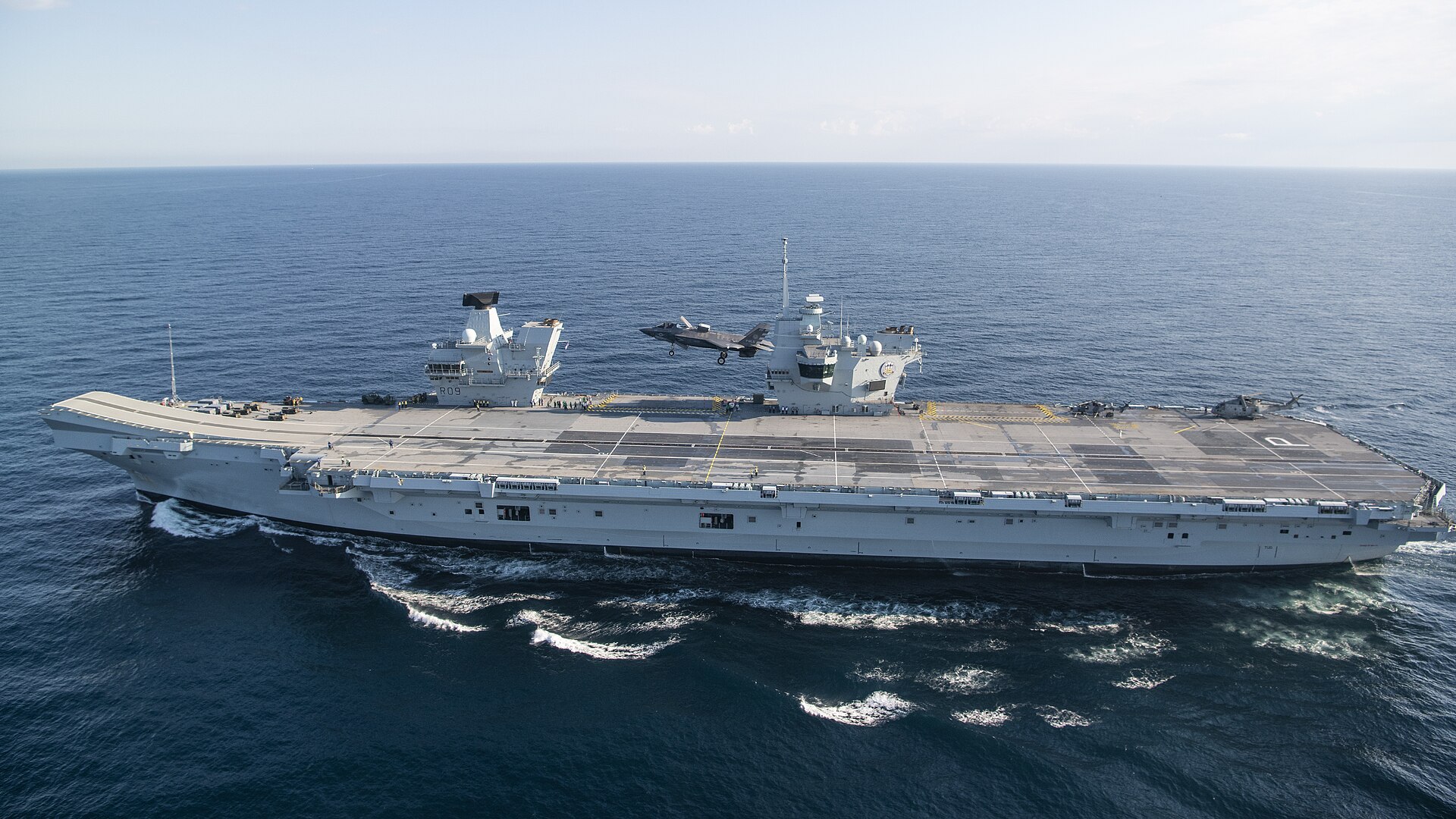
SPEAR Capability 3 is a networked precision strike missile developed by MBDA for the Royal Air Force and Royal Navy. It is small enough to be carried in large numbers yet powered by a turbojet engine, giving it the range of a cruise missile. Its main platform is the F-35B Lightning, which the UK operates from land bases and from the aircraft carriers HMS Queen Elizabeth and HMS Prince of Wales.
Range and stand-off
Because SPEAR 3 is powered rather than gliding, it can fly more than 100 km, allowing pilots to launch from outside the reach of many short- and medium-range air defences. Folding wings deploy after release, and the missile can fly complex routes to avoid threats and approach from unexpected directions.
The seeker
SPEAR 3’s tri-mode seeker combines millimetre-wave radar, imaging infrared and semi-active laser guidance. This lets it find and hit moving targets such as vehicles and small ships in poor weather, smoke or darkness. A two-way datalink allows the target to be updated in flight or the attack to be called off.
Internal carriage
The biggest advantage for the F-35B is internal carriage. Using a special rack, four SPEAR 3s fit into each of the jet’s two internal weapons bays, so eight missiles can be carried without compromising stealth. That gives a single aircraft the ability to engage many targets in one sortie.
SPEAR-EW and timeline
MBDA is also developing SPEAR-EW, which uses the same airframe with an electronic warfare payload to jam or confuse enemy radars, operating alongside strike missiles. The programme has faced delays in integration with the F-35, and the UK expects to bring SPEAR 3 into service in the late 2020s. Exact dates depend on the F-35 software upgrades needed to carry it.
Verdict
SPEAR 3 is designed for the threats of the 2030s: dense air defences, moving targets and the need to strike many aimpoints quickly. Once in service, it will give British F-35Bs a far more powerful strike capability and could attract interest from other F-35 operators.
Featured image: US Navy photo by Dane Wiedmann / Public domain, via Wikimedia Commons